Thinking about a condo in Bal Harbour? Florida’s newer condo reserve and inspection rules can change your monthly budget and your timeline to buy or sell. You want safety, predictability, and clear numbers before you commit. In this guide, you’ll learn how reserves and inspections work in Bal Harbour, what they mean for assessments and financing, and the exact documents to review so you can move forward with confidence. Let’s dive in.
What changed and why it matters
After the Surfside tragedy in 2021, policymakers sharpened their focus on two goals: identify structural issues early through required inspections and make sure associations have a plan to pay for major repairs. For you, that means more transparency about a building’s engineering health and its finances. It also means potential changes to monthly assessments or special assessments when repairs are needed.
At the state level, Florida condominium law lives under the Florida Statutes in Chapter 718. You and your advisor can start there to understand budgets, reserve accounts, and association powers. The state’s regulator, the Florida Department of Business and Professional Regulation (DBPR), also publishes buyer and association forms and plain‑language guidance that you will see in most transactions.
- Explore the statutory framework via the Florida Statutes (Chapter 718).
- Find forms and buyer resources at the Florida DBPR.
How reserves work in practice
A reserve account is money the association sets aside for large, predictable items like roofs, structural components, elevators, waterproofing, and exterior systems. Many associations use a reserve study to estimate useful life and replacement costs, then build a funding plan. Industry groups such as the Community Associations Institute offer helpful primers on reserve studies and budgeting.
When an inspection reveals needed work, associations can:
- Use existing reserves if funds are sufficient.
- Levy a special assessment on owners.
- Borrow and repay through higher monthly assessments if permitted by governing documents and law.
Buildings that keep reserves current and update studies regularly tend to face fewer surprise assessments. Those that defer maintenance or underfund reserves often encounter larger costs under tighter timelines.
Bal Harbour and Miami‑Dade inspections
In addition to state rules, Miami‑Dade County runs a milestone or recertification program for buildings as they age. A qualified engineer inspects structural systems at set milestones, then issues a report. The report can clear the building, set a repair timeline, or identify urgent safety items.
If you are buying or selling in Bal Harbour, verify compliance with county and village requirements. Miami‑Dade oversight includes submittals, repair permits, and certificates of compliance. Local processes evolve, so confirm current procedures directly with county and village officials:
- County requirements: Miami‑Dade County Building Department.
- Local context: Village of Bal Harbour.
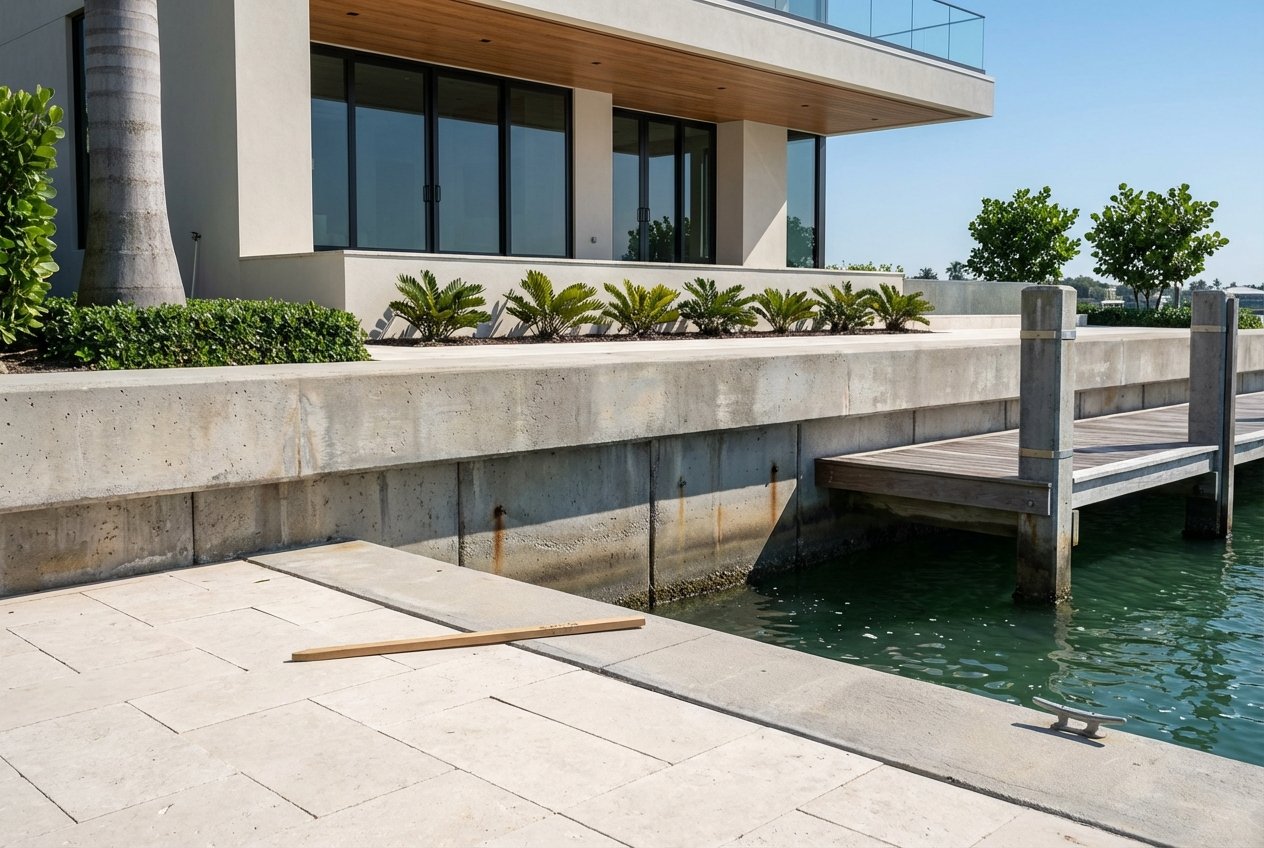
Common repair items in older coastal buildings include concrete spalling, balcony work, waterproofing, parking structures, and roof systems. These can be significant line items that affect near‑term assessments.
How inspections affect your wallet
An engineering report that finds actionable repairs often leads to one of three outcomes: immediate special assessments, monthly assessment increases to build reserves or service a loan, or a combination of both. If a building is behind on a milestone inspection, expect tighter timelines once an engineer reports on conditions.
Short‑term impacts you may see:
- New or increased assessments to pay for urgent work.
- Operating budget changes to meet reserve targets.
- Adjusted insurance costs at the building level based on findings.
Long‑term, buildings that document compliance and maintain reserves usually see steadier budgets and stronger buyer confidence, which can support resale value and marketability.
What smart buyers review in Bal Harbour
Before you waive contingencies, request and review the following. These items will help you understand both structural and financial health:
- Full resale package from the association, including current budget, reserve balances, recent financials, governing documents, and insurance certificates.
- Most recent milestone or recertification inspection report and any certificate of compliance or county documentation on file.
- Reserve study or capital needs study, with dates and any updates after inspections.
- Board meeting minutes for the past 12–24 months to see discussions on repairs, bids, and funding.
- Pending projects, executed contracts, and bids for major work.
- Audits or compiled financial statements and year‑end reserve balances.
- History of special assessments or loans in the past 5 years, plus repayment terms.
- Pending litigation and any contractor liens or insurance claims.
- Insurance certificates with limits, deductibles, and key exclusions.
- Building age and major renovation history for roofs, balconies, waterproofing, and garage structures.
Key questions to ask the board or manager
- Has the building completed its county or village milestone/recertification? When, and can I review the report and compliance certificate?
- What major repairs did the engineer identify and what is the funding plan?
- When was the reserve study last updated, and is the association following its recommendations?
- Are special assessments or loans planned in the next 12–24 months?
- Are there code violations, open permits, or orders related to structural items?
- Are there significant delinquent accounts that could strain cash flow?
Red flags to watch for
- No recent reserve study or no updates after a milestone inspection.
- Engineering reports calling for urgent repairs without a clear funding plan.
- A pattern of temporary fixes rather than scheduled capital work.
- Large pending assessments with unclear allocation or timeline.
- Active construction defect litigation or contractor liens.
Financing, insurance, and closing implications
Lenders increasingly review association financials and engineering reports. If a building has unresolved structural issues or weak reserves, the lender may tighten requirements or decline the loan. Some title insurers also ask for proof of local inspection compliance before closing.
Building‑level insurance can shift based on inspection findings, and special assessments for repairs are typically the owner’s responsibility. Your closing timeline and final costs can depend on the association’s documentation and readiness to comply with county or village rules.
A simple playbook for your next step
- Get the full resale package early and have it reviewed by a knowledgeable real estate professional or attorney.
- Read the latest engineering and milestone reports. If they are complex, consider an independent review by a licensed structural engineer to understand scope and likely cost range.
- Build a realistic budget that includes potential assessments or higher monthly fees.
- Confirm what your lender and title company require for buildings with recent findings.
- Verify credentials for engineers and contractors through the Florida DBPR.
Trusted resources to verify details
- Statutes and definitions: Florida Statutes (Chapter 718)
- Forms and guidance: Florida DBPR
- County inspection framework: Miami‑Dade County Building Department
- Local procedures and contacts: Village of Bal Harbour
- Reserve study primers: Community Associations Institute
Work with a local advocate
Bal Harbour’s best condo experiences balance lifestyle with strong building fundamentals. With refined, hospitality‑level service and building‑specific expertise, you can navigate inspections, reserves, and assessments without surprises. If you want a private, tailored plan for a specific tower or unit, connect with Marine Rollins to review the latest reports, budgets, and next steps.
FAQs
What are Florida condo reserve rules and how do they affect Bal Harbour buyers?
- Florida’s condo laws under Chapter 718 outline how associations budget and hold reserves for major repairs. In Bal Harbour, these rules interact with Miami‑Dade milestone inspections, which can trigger assessments or budget changes if engineers find needed work.
What is a milestone or recertification inspection in Miami‑Dade?
- It is an engineer’s review of a building’s structural systems at set ages. The report can clear the building, assign a repair schedule, or identify urgent issues that require prompt remediation and follow‑up with county or village authorities.
How can I estimate potential special assessments before I buy?
- Review the latest engineering report, the reserve study, current budget, and board minutes. Ask for the funding plan, timing, and whether loans or assessments are planned within the next 12–24 months.
Will lenders finance units in buildings with inspection findings?
- Many lenders will if there is a documented plan and clear progress, but terms can tighten. You may need evidence of compliance, repair schedules, or stronger borrower qualifications.
What should a Bal Harbour condo seller prepare before listing?
- Gather the resale package, the latest engineering and reserve reports, proof of any inspection compliance, history of assessments or loans, insurance certificates, and a concise summary of pending projects with timelines.
Where can I verify an engineer’s or contractor’s credentials in Florida?
- Use the state’s licensing resources through the Florida DBPR to look up active licenses, standing, and related records.