Are you comparing two Palm Beach condos with the same square footage but very different prices? You are not alone. Between line or stack differences, view corridors, renovation quality and association health, small details can swing value by six figures. In this guide, you will learn how to read condo comps with confidence in Palm Beach and the West Palm Beach–Boca Raton–Delray Beach market, plus when to request a custom valuation for clarity. Let’s dive in.
Why Palm Beach condo pricing is unique
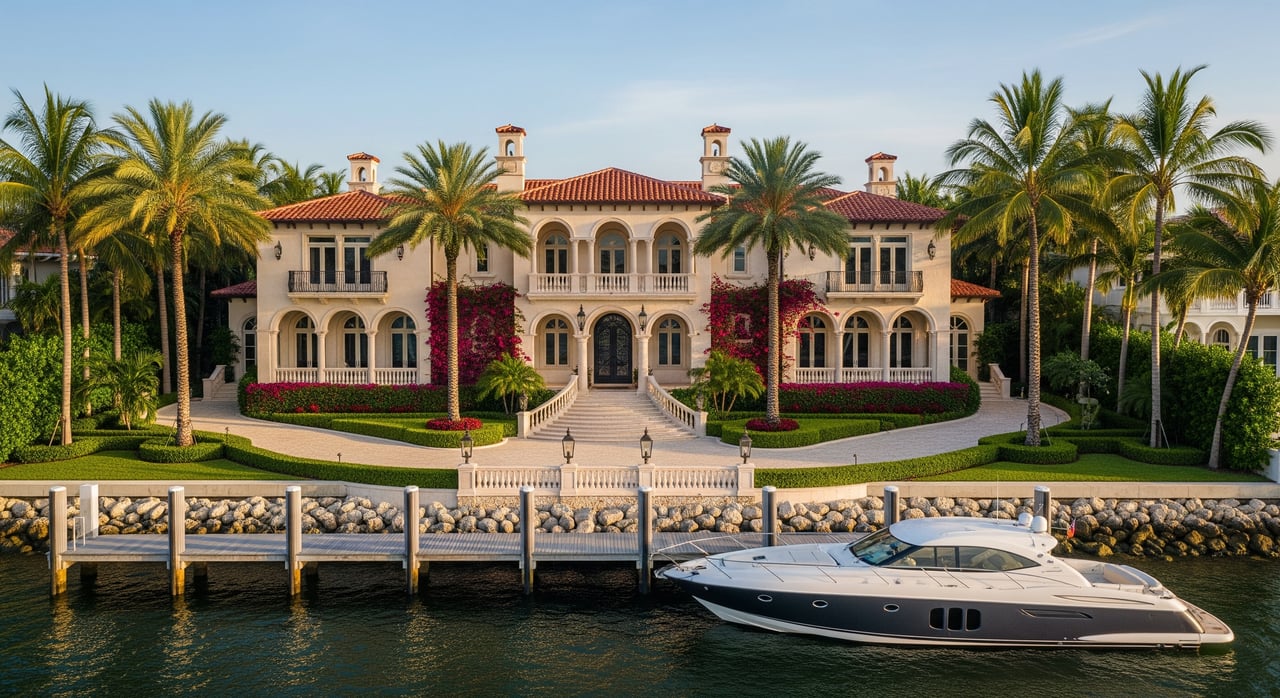
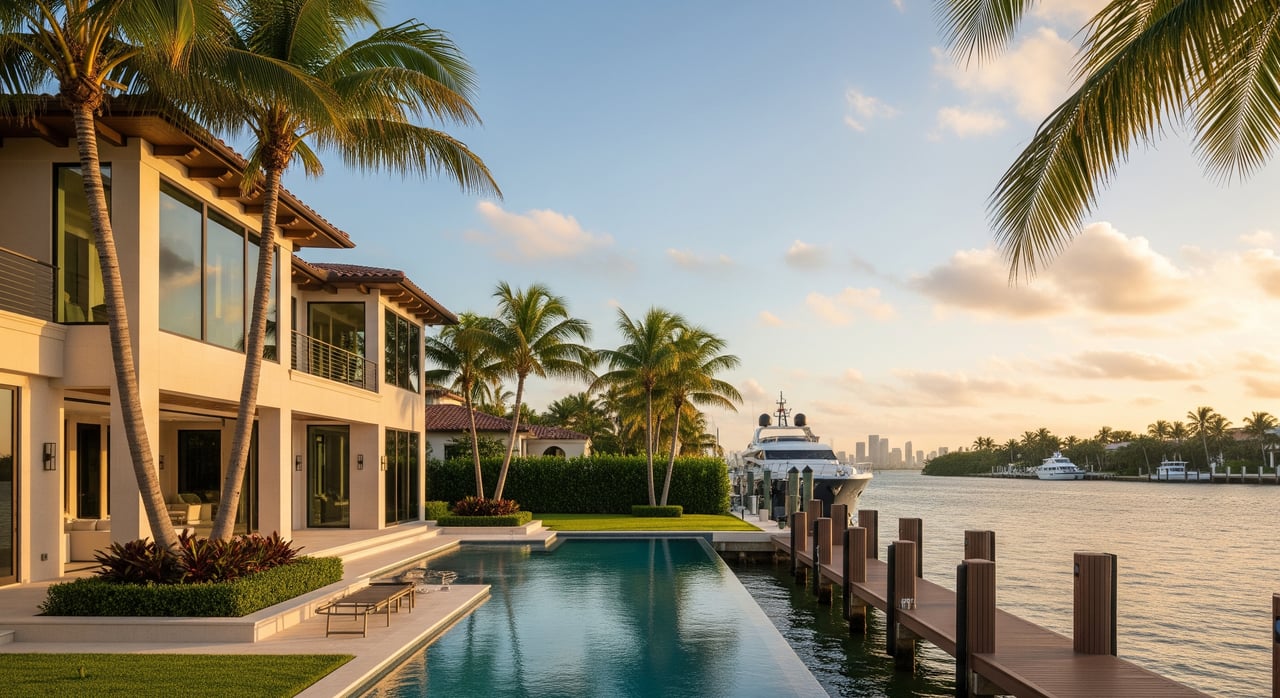
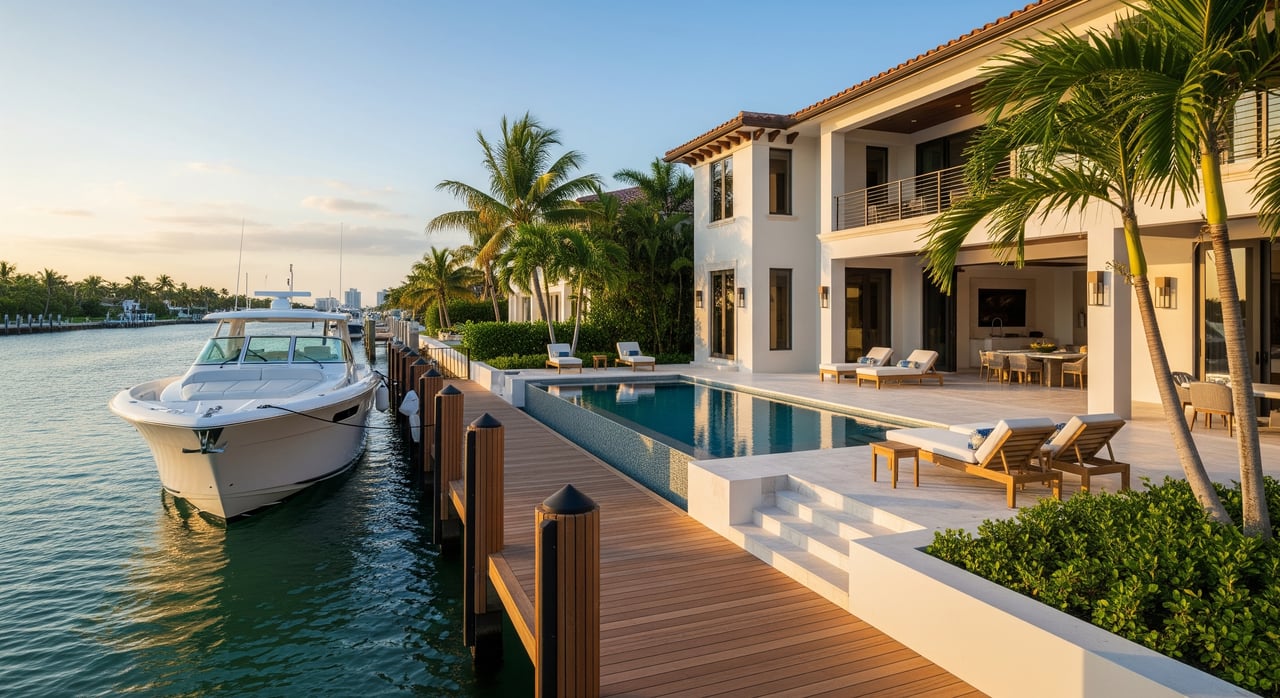
Palm Beach Island, with its ocean and intracoastal frontage, behaves differently from the mainland. Inventory is limited in many premier buildings, so perfect apples-to-apples comps are rare. You often need to widen your search window and make thoughtful adjustments.
Seasonal demand also matters. Winter brings more out-of-state buyers, which can lift prices in certain segments. Interest rates and luxury buyer trends shape the rest of the year.
Coastal risk and insurance costs can influence value. Buildings with strong wind mitigation, responsible reserves and stable insurance structures tend to maintain pricing power. Buyers notice the difference in total carrying costs.
Start with the right data
Before you compare numbers, confirm that your sources are accurate and local. Prioritize:
- Local MLS closed sales and full listing details from the Realtor Association of the Palm Beaches and Greater Fort Lauderdale Realtors.
- Palm Beach County Property Appraiser records for parcel data, legal descriptions and past sales.
- Condominium association documents, including the declaration, bylaws, current budget, reserve study and any special assessment notices.
- Florida Department of Business and Professional Regulation records for building registration and filings.
- Florida Statutes Chapter 718 for condo governance rules that can affect financing and owner obligations.
- Clerk of Courts searches for litigation or liens involving the association.
If sources conflict on key facts like square footage, document each and prioritize building plans or an independent measurement when value hinges on area.
Master the line or stack
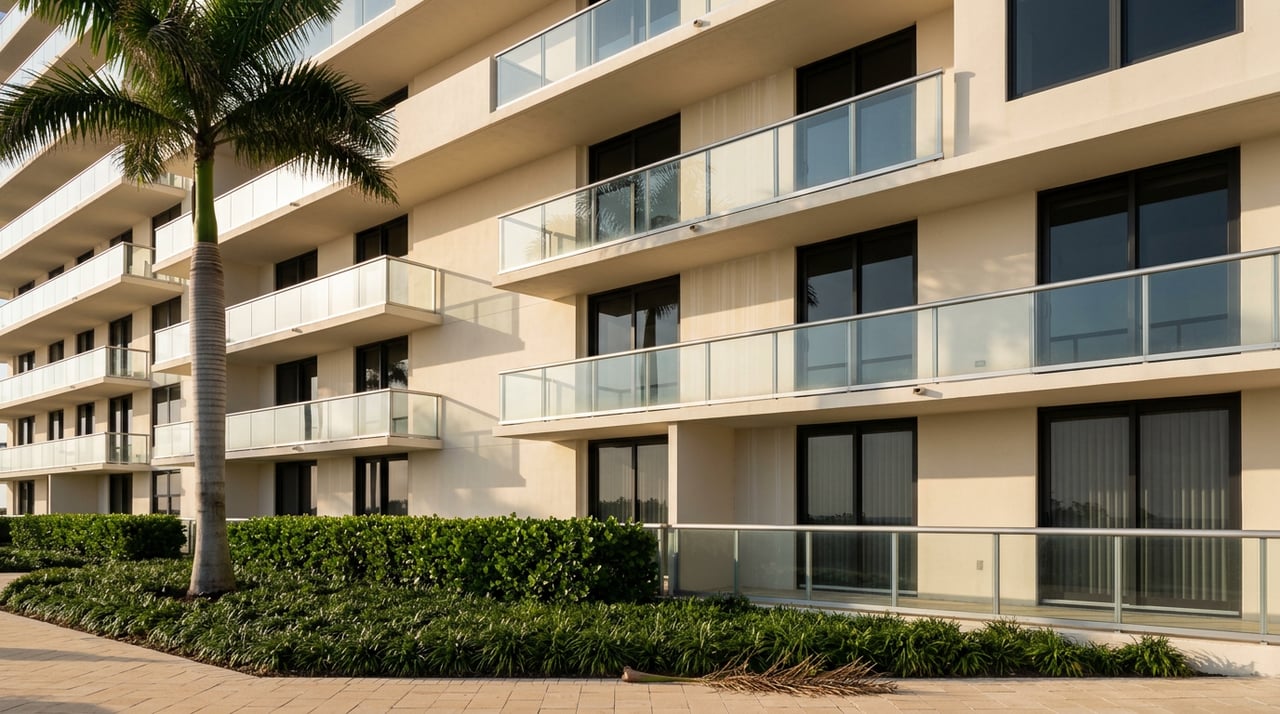
“Line” or “stack” means the same floor plan positioned vertically in the building. These are your closest apples-to-apples comps because orientation and layout are consistent.
- Prioritize same-line sales from the past 12 to 24 months when available. Same-line sales are your gold standard.
- Adjust for vertical placement. Higher floors often command premiums for wider views and less street noise. Lower floors may price lower due to privacy, perceived risk, or reduced views.
- Note corner variations. Some lines include corner layouts with extra windows or wraparound balconies that justify meaningful premiums.
Capture the line designation, floor, elevator access and orientation so you can compare accurately.
Judge view quality carefully
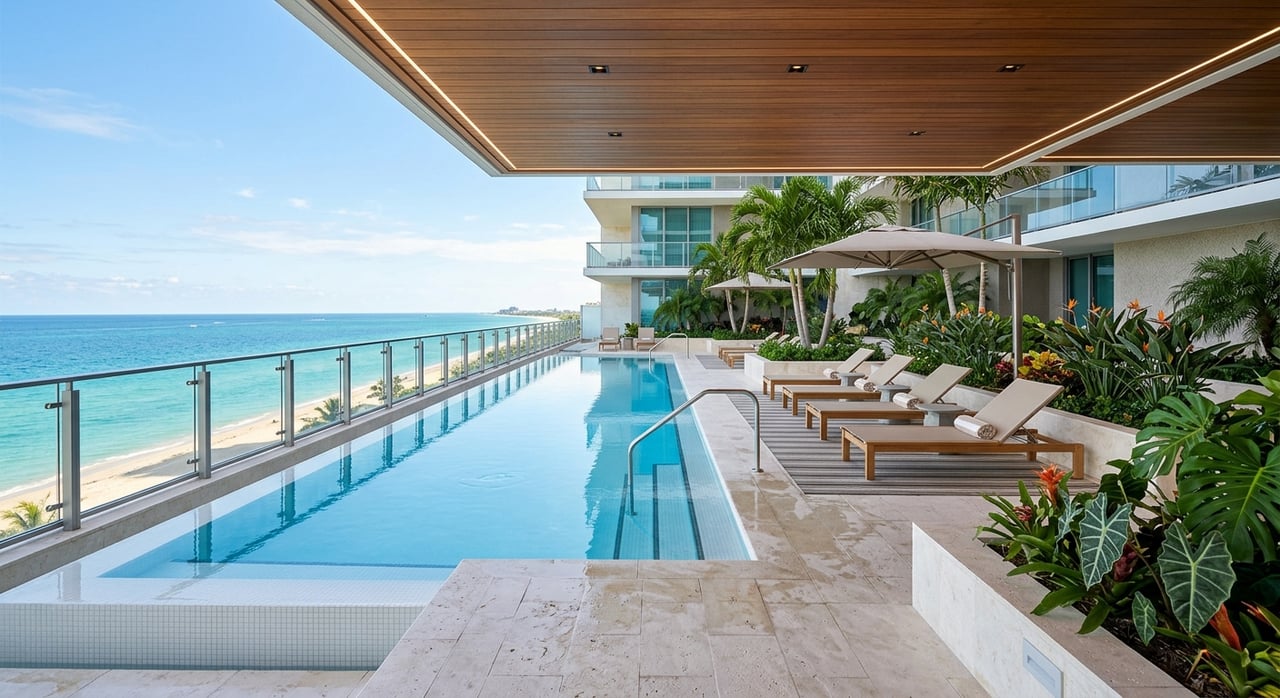
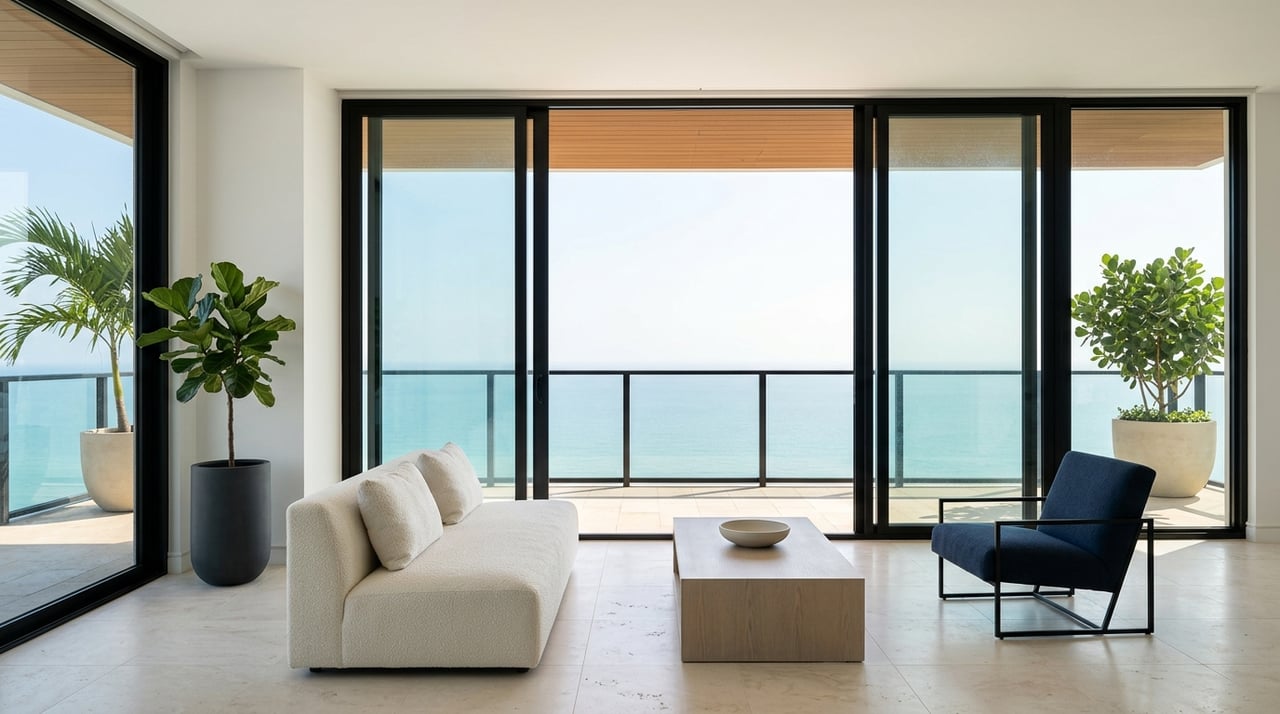
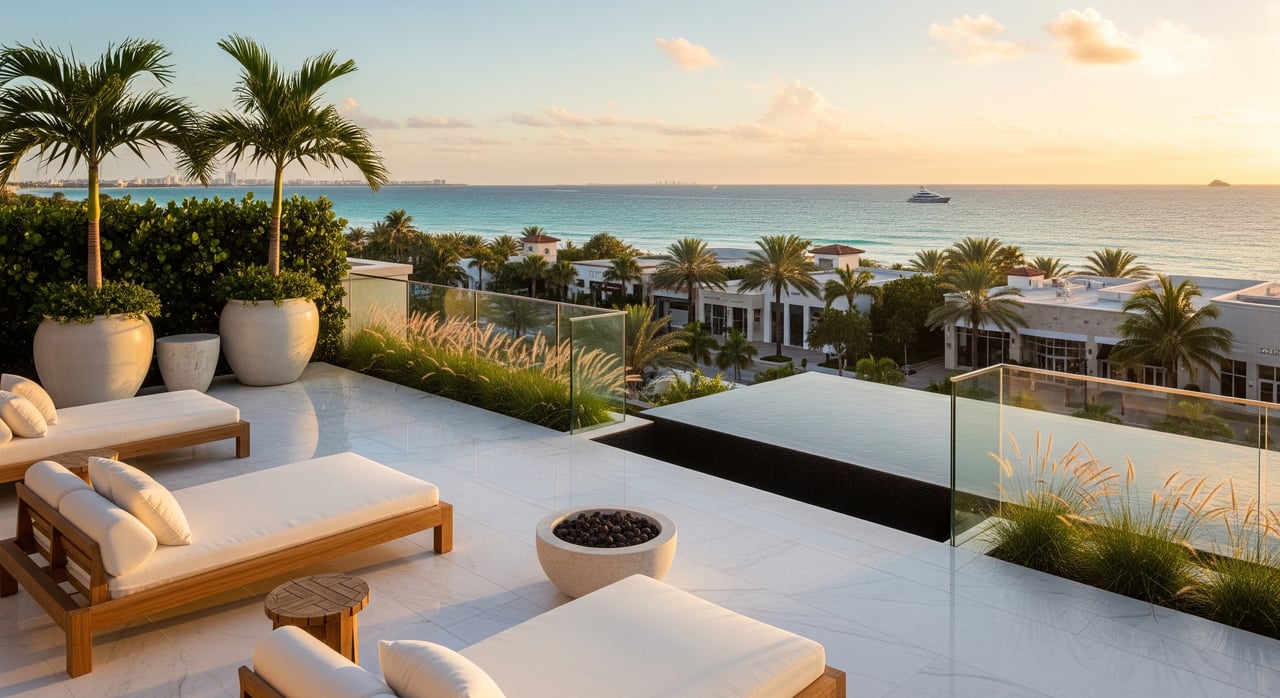
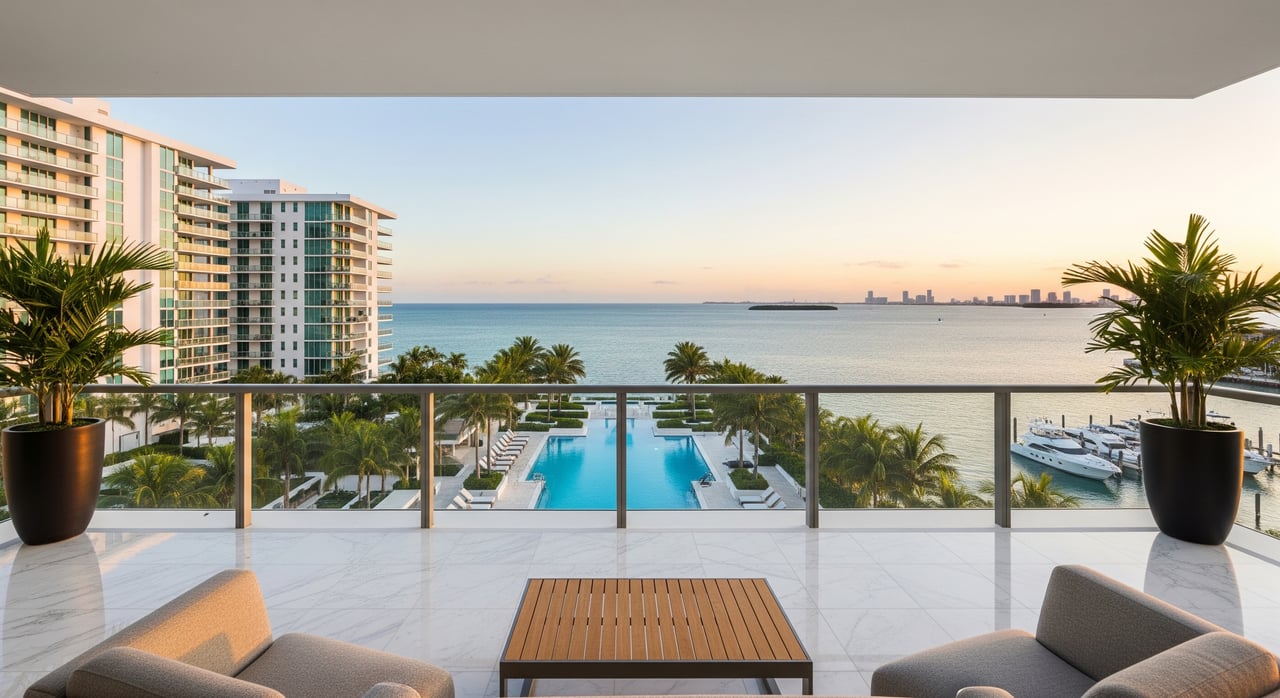
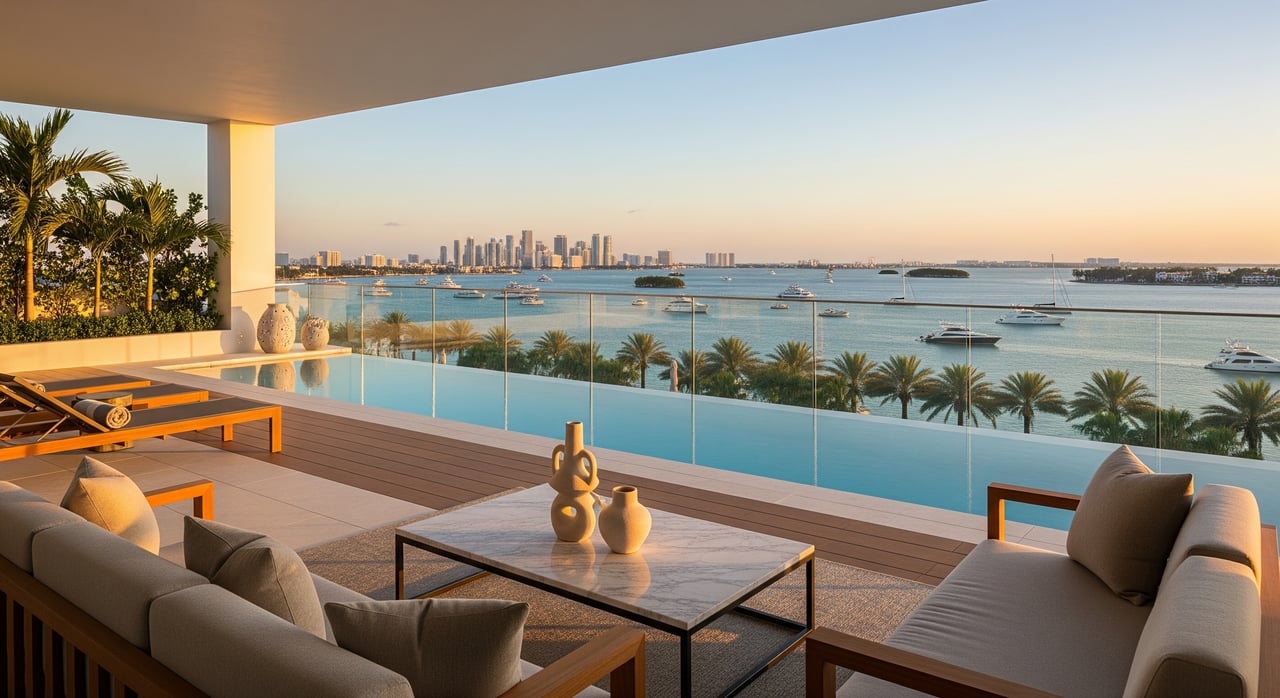
In Palm Beach, view quality is often the single largest driver of price differences between otherwise similar units. Classify the view clearly:
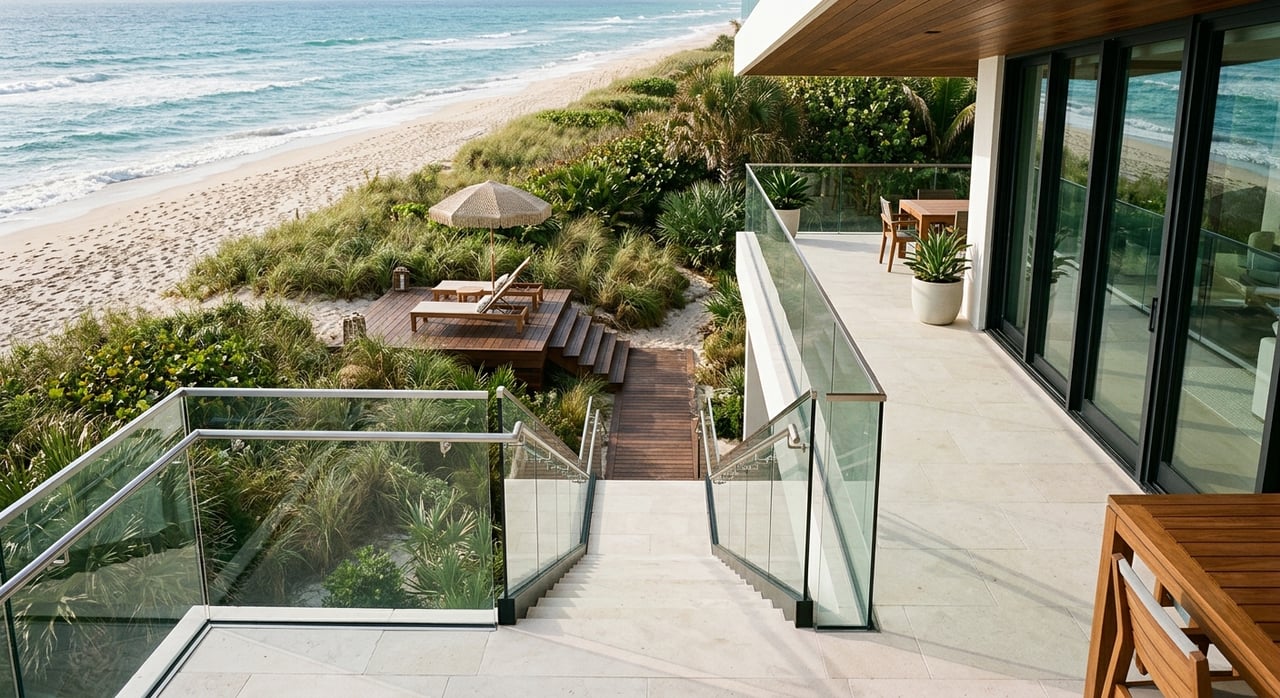
- Direct oceanfront
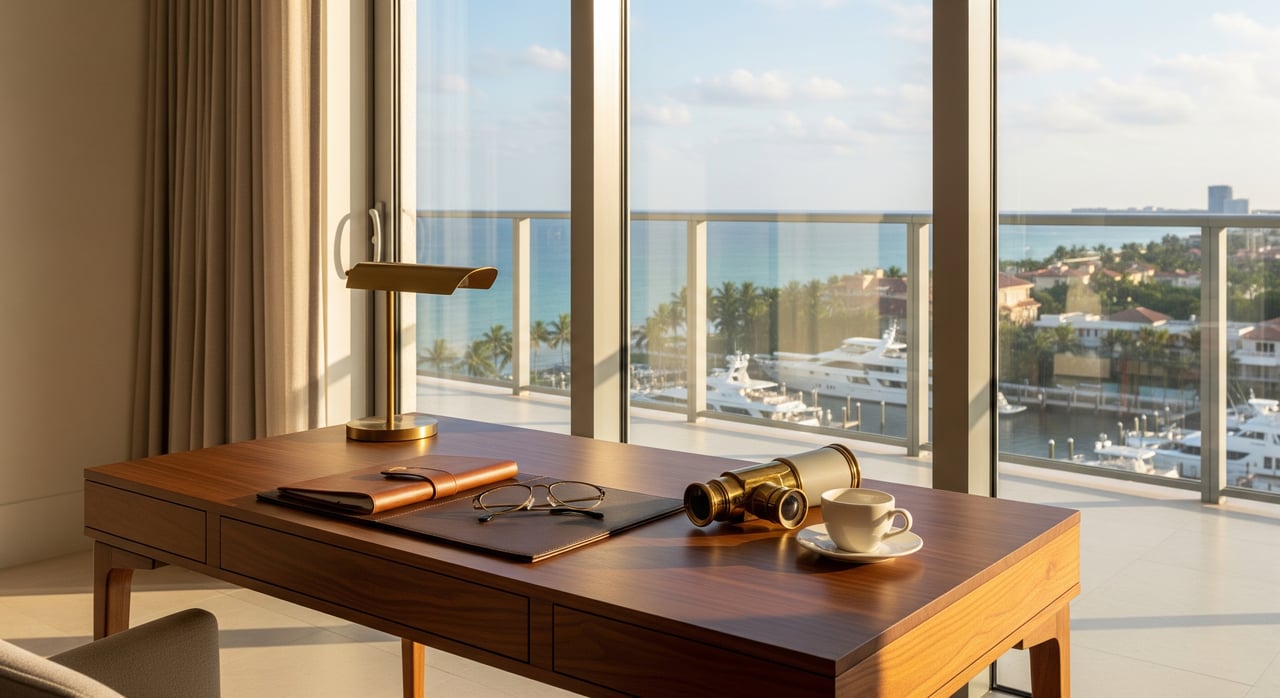
- Unobstructed intracoastal or marina
- Partial ocean or intracoastal
- Park, golf, courtyard, city or street
- Blocked or limited view
Confirm whether a view is likely to remain open. Views are not a deeded right. Consider setbacks, adjacent parcels and any known development plans. In many stacks, the higher you go, the wider the corridor becomes, which can add a premium. When in doubt, check site plans or elevation drawings.
Weigh renovation levels
Finish quality and scope of work can swing value, especially in a market where many buyers want turnkey.
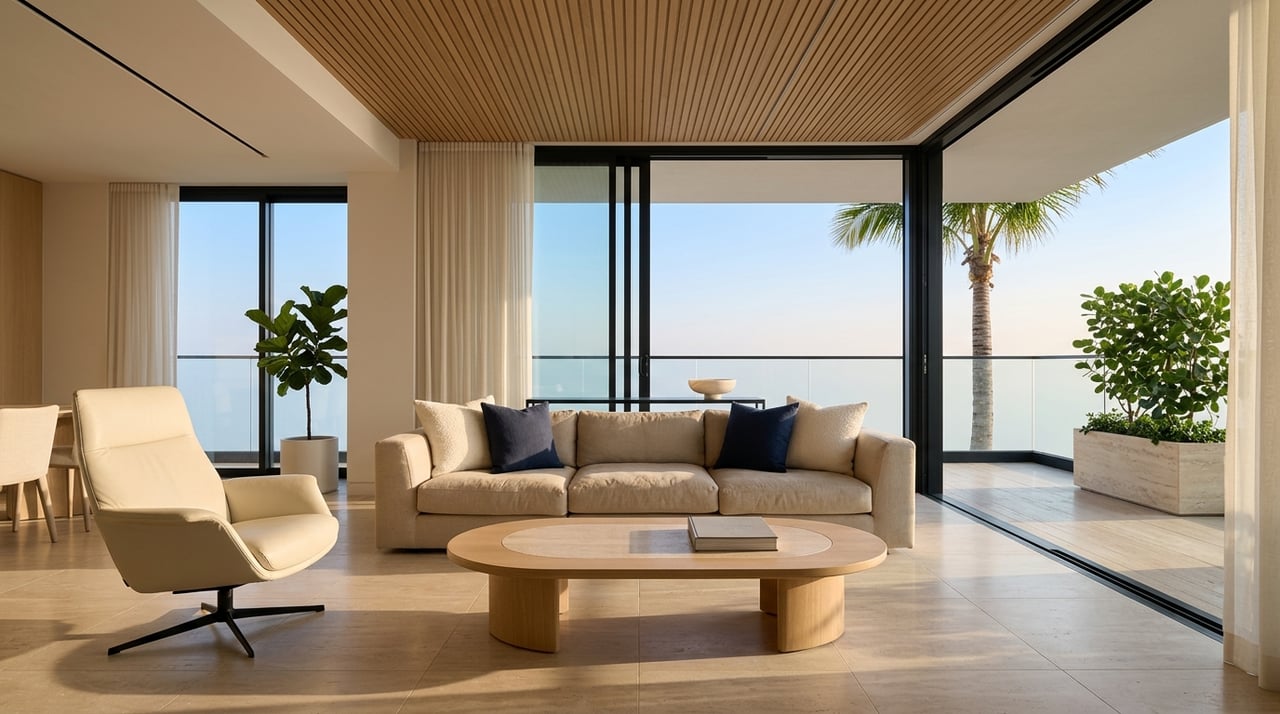
- Turnkey or high-end remodel: new kitchen and baths, premium appliances, updated electrical and plumbing, impact windows and designer finishes.
- Mid-range cosmetic: paint, counters, fixtures and floors, with systems largely original.
- Original or full renovation needed: often requires mechanical and layout upgrades.
Verify the scope with photos, inspection summaries and permits for significant work. Separate style choices from structural improvements like impact glass or new HVAC that affect insurance and long-term costs.
Account for deeded amenities
Deeded rights matter. Confirm what is recorded in the deed or association documents, not just what appears in marketing.
- Parking: deeded spaces typically add value over assigned or valet-only arrangements. Tandem spaces can be less flexible. Enclosed garages or EV charging can command a premium.
- Cabanas and beach access: deeded cabanas or recorded beach rights are tangible value-adds compared with seasonal or leased options.
- Storage: deeded lockers or climate-controlled storage are meaningful in high-rise living.
- Other: private elevator foyers, dock slips, rooftop terraces or staff accommodations can be major differentiators.
Always verify deed language and the building’s unit ledger when an amenity drives value.
Evaluate association health
Association strength shows up in dues, reserves and policy details. Smart buyers and appraisers weigh these factors alongside finishes and views.
- Dues: higher dues can reduce affordability. Compare amenities, staffing and insurance coverage when weighing dues across buildings.
- Reserves and studies: underfunded reserves can lead to special assessments. Review the reserve study and budget.
- Special assessments: announced or foreseeable assessments change buyer math and comp selection.
- Insurance: master policy costs and deductibles are important in Florida. Buildings with strong mitigation features can be more resilient.
- Litigation: active disputes can limit financing and reduce demand.
- Rental and occupancy rules: restrictions influence investor demand and resale liquidity.
- Building age and code compliance: older buildings may face capital projects for hurricane hardening or systems upgrades.
When comparing comps, prefer buildings with similar dues, reserve posture and risk profile. If a comp closed before a major assessment was announced, adjust or exclude it.
Time, seasonality, and sale type
The best comp is recent, local and similar. In busy submarkets you can use 3 to 6 months of data. On Palm Beach Island and in luxury tiers with thin sales, extend to 12 to 24 months and adjust for market movement.
Sale conditions also matter. Cash transactions, short sales or bank-owned transfers can deviate from typical retail pricing. Note any concessions or atypical terms.
Seasonality influences buyer activity. Expect stronger demand in the winter season. If your comp set spans seasons, consider how timing affected pricing.
Step-by-step comp workflow
- Define the subject unit
- Confirm line or stack, floor, orientation and plan name.
- Verify square footage and whether figures reflect air-conditioned area.
- List deeded amenities like parking, storage and cabanas.
- Document interior condition and permitted work.
- Pull the highest-quality comps first
- Start with same-line sales. If none, move to identical floor plans in the same building, then similar buildings nearby.
- Normalize area and pricing
- Use consistent square footage definitions and compute price per square foot. Flag discrepancies between sources.
- Note date and sale circumstances
- Identify cash versus financed sales and any special conditions, assessments or credits.
- Adjust for value drivers
- Floor height, view, renovation, deeded amenities, dues and assessment risk, and building age or condition.
- Cross-check with actives and pendings
- Active listings and pending sales help confirm momentum and support your pricing range.
- Verify deeded rights
- When value hinges on parking, cabanas or dockage, verify in recorded documents before relying on the comp.
Evidence checklist for precision
- Recorded deed and parcel ID
- Full MLS detail sheets and photos for the subject and comps
- Condo declaration, bylaws, rules, current budget and reserve study
- Any special assessment notices and recent association minutes
- Permit history for the unit and building
- Prior sales contracts and closing statements to confirm concessions
- Insurance summary for the master policy and deductibles
- Litigation checks via the county Clerk of Courts
- Building plans or surveys to confirm setbacks and view corridors
When to request a custom valuation
Ask for a broker opinion or licensed appraisal when:
- The unit is unique, such as a penthouse, unusual layout or deeded dock or cabana.
- There is active or pending association litigation, large assessments or reserve shortfalls.
- The unit had a full or complex renovation and permits and quality will drive value.
- You need price precision for listing strategy or competitive bidding.
- Financing is important and the building may require a project eligibility review.
- Market conditions are moving quickly and timing adjustments are essential.
Common pitfalls to avoid
- Using list prices instead of closed prices or ignoring concessions.
- Assuming amenities are included without confirming deeded rights.
- Relying only on price per square foot without normalizing for floor plan and ceiling height.
- Overlooking special assessments or litigation that change buyer calculus.
- Treating all parking as equal when deeded garage spaces and valet assignments behave very differently.
Your next steps
Reading condo comps well is about discipline. Start with same-line sales, classify the view with care, verify deeded rights and weigh association health. When comps are thin or risks are unclear, bring in a professional to tighten your range and reduce surprises.
If you want a second set of eyes on a Palm Beach condo or need a precise valuation for listing or bidding, schedule a conversation. You will get clear, building-level guidance and a calm, concierge process from start to finish. Connect with Marine Rollins to schedule a private waterfront consultation.
FAQs
How do ocean views affect Palm Beach condo pricing?
- There is no fixed premium, but direct and unobstructed water views often command the largest increases, so lean on same-line water-view sales for guidance.
How far back should I look for Palm Beach condo comps?
- Use 3 to 12 months when possible, and extend to 12 to 24 months for luxury or scarce segments while documenting market movement.
Do high HOA dues reduce what I should pay?
- Yes, higher dues reduce buyer affordability, so compare effective carrying costs and prefer comps with similar dues and amenity levels.
Are deeded parking spaces and beach cabanas worth more?
- Typically yes, deeded rights add measurable value in high-demand buildings, but verify the deed and compare with recent sales that include those rights.
What if MLS and county square footage do not match?
- Document each source, use a consistent definition like air-conditioned area and prioritize building plans or a measurement when value hinges on size.