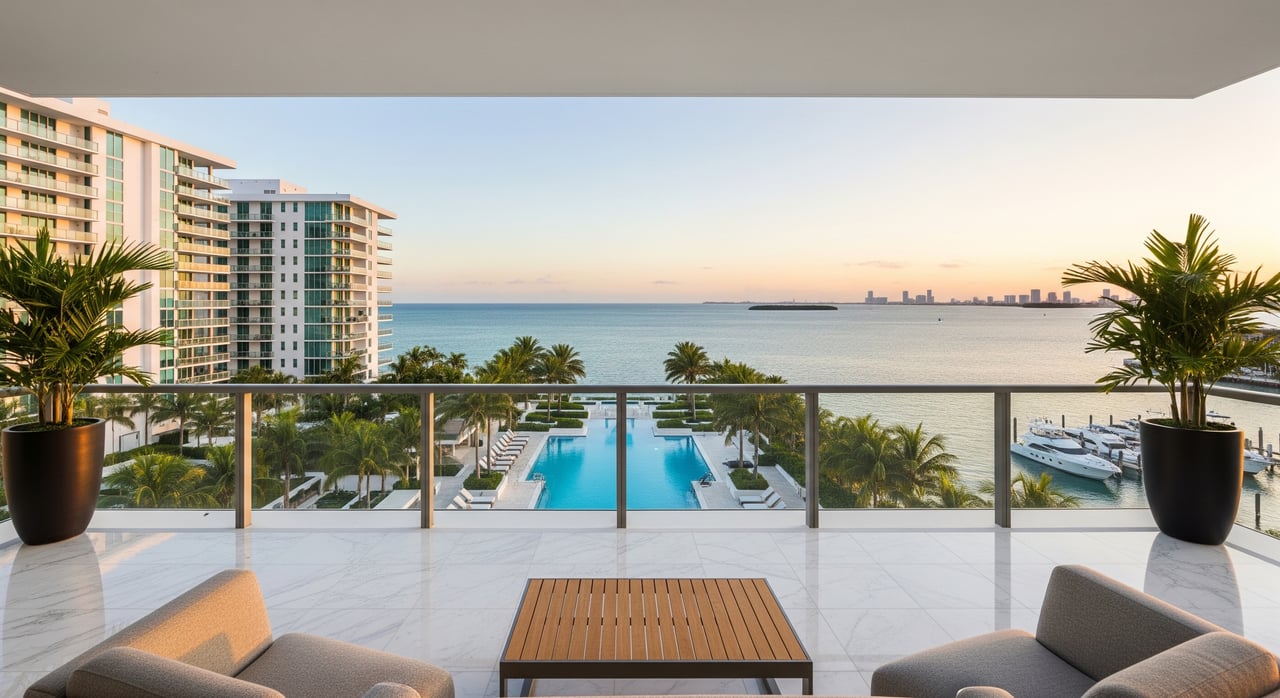
Watching Bal Harbour condos and wondering what really moves prices here? You are not alone. This small, luxury market can shift quickly, and the right data points make all the difference when you decide to tour, compare, and write an offer. In this guide, you will learn which metrics matter, how amenities shape value, what to watch in HOA docs, and how to protect your offer. Let’s dive in.
Read the market by the numbers
Bal Harbour is a niche oceanfront village with a luxury tilt. A few trophy closings can skew headlines, so you want to read trends with care. Focus on price per square foot, months of inventory, days on market, and list-to-sale ratio, and compare across 6 to 12 months to smooth out noise.
Months of inventory
Months of inventory (MOI) shows balance between supply and demand. As a rule of thumb, under 3 months suggests sellers have the edge. Three to six months looks balanced, and above 6 months gives buyers more leverage. Track new listings vs. closed sales to spot turns early.
Price per square foot
For condos, price per square foot is usually more accurate than raw price. Start with comps in the same building when possible. If you cross buildings, adjust for view, floor height, orientation, and the amenity set, since an oceanfront line can carry a structural premium.
Days on market and negotiation room
Days on market (DOM) paired with the list-to-sale price ratio signals your negotiating room. Rising DOM with more discounting suggests room for concessions. If DOM tightens and sale-to-list moves closer to 100 percent, expect to lead with a clean, confident offer.
Where to confirm numbers
Use local and county sources for current stats and sales history. The Miami Association of Realtors market statistics and Florida Realtors Research & Data provide regional context. For parcel history and recorded sales, check the Miami‑Dade Property Appraiser.
Amenity premiums in Bal Harbour
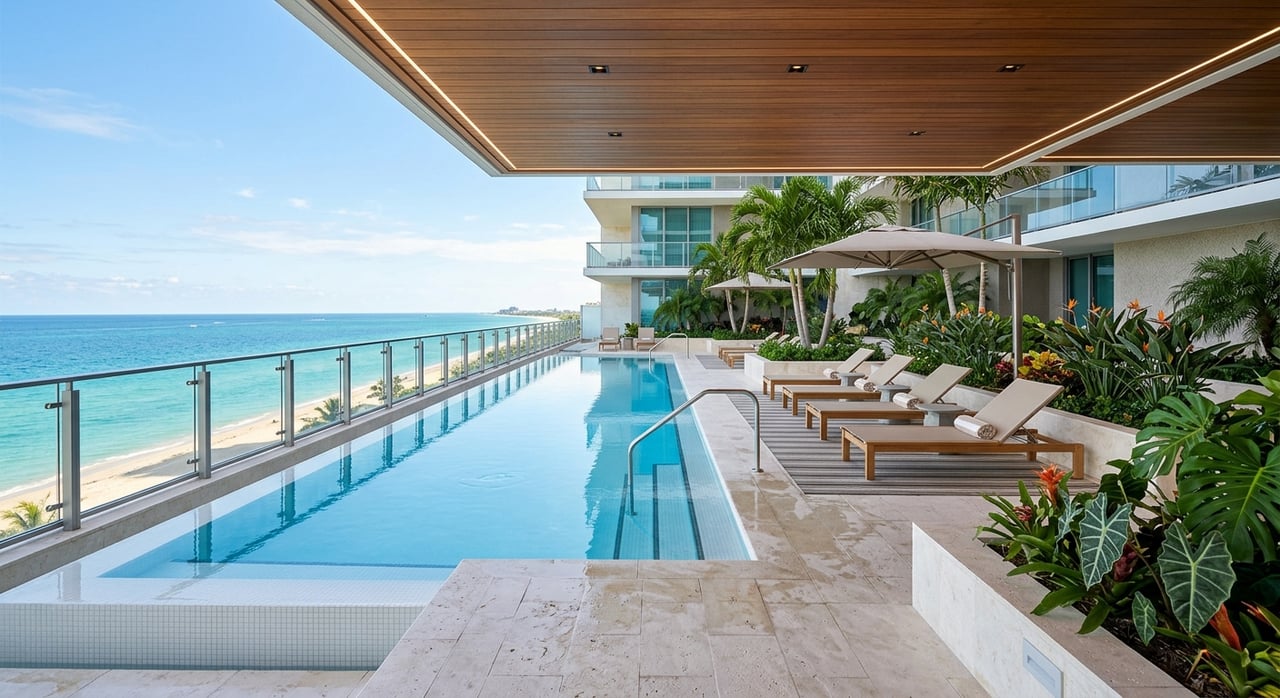
Amenities do real work in this market. Features linked to higher price per square foot or faster sales often include direct beach access, unobstructed ocean views, private elevator access, full-service staff, spa and fitness facilities, strong pool and food programs, covered parking, and on-site rental management.
- Compare same-line units for view and floor to isolate a premium.
- Expect amenity value to show up as both higher PSF and lower DOM, not just a flat markup.
- Balance higher perceived value with ongoing HOA costs that fund services.
HOA fees, assessments, and carrying costs
HOA dues reflect staffing, master insurance, utilities, reserves, and amenities. In Bal Harbour, full-service towers can have higher dues that support their lifestyle offering. That can be worth it for a primary or second-home buyer, but it may affect investor yield.
- Review HOA inclusions and the budget to understand what the dues cover.
- Ask about reserve funding and any recent or planned special assessments.
- Compare effective cost of ownership: price plus HOA plus insurance, not price alone.
For context on association practices, see guidance from the Community Associations Institute.
Building due diligence checklist
Most of your risk management happens before you make the offer firm. Confirm the building’s financial and physical health, insurance, and compliance.
- Association docs: budget, latest financials, reserve study, insurance certificates, litigation summary, and minutes for the last 6 to 12 months.
- Insurance: verify the master policy coverage and your HO-6 needs. Florida’s insurance market has shifted in recent years. Review updates from the Florida Office of Insurance Regulation.
- Recertification and safety: confirm status of required inspections or recertifications with Miami‑Dade County’s building resources.
- Flood and elevation: check the property’s FEMA flood zone and any flood insurance requirements via the FEMA Flood Map Service Center.
- Taxes and assessments: verify recorded history with the Miami‑Dade Property Appraiser.
- Rentals and local rules: review condo docs and current village ordinances on the Bal Harbour Village website.
Offer strategy that fits the market
Your offer should match the building and current supply conditions. If MOI is low and DOM is tightening, prepare to compete with a clean, well-documented offer. If inventory is higher and properties sit longer, use price and terms to your advantage.
- Competitive settings: show proof of funds or pre-approval, shorten timelines where practical, and consider an escalation clause within your walk-away price.
- Softer settings: request seller credits, negotiate repairs after document review, and seek longer inspection windows for older buildings.
- Building-specific risks: price in known or likely special assessments and include protective contingencies.
Investors: rules, yield, and exit
If you plan to rent, your yield depends on dues, insurance costs, taxes, and the building’s rental rules. Minimum lease terms, owner occupancy requirements, and registration can limit flexibility. Strong amenities may support resale even if they lower net yield in the short term.
- Verify rental rules in the condominium documents and village ordinances.
- Build pro formas with realistic HOA and insurance costs.
- Plan for vacancy and seasonal patterns common to coastal markets.
Compare buildings like a pro
Bal Harbour has distinct building categories. Knowing where a listing sits helps you price, negotiate, and plan for long-term value.
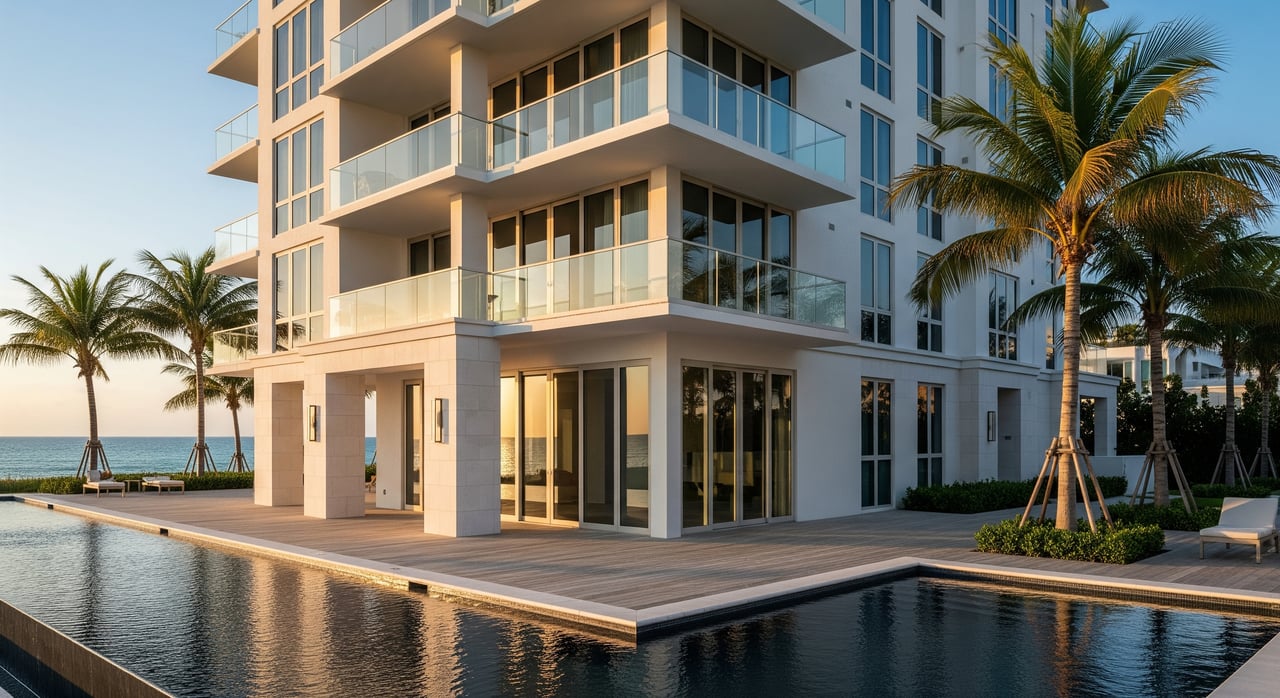
- Ultra-luxury resort towers: full-service staff, beach clubs, and extensive amenities. Expect higher dues and strong resale appeal.
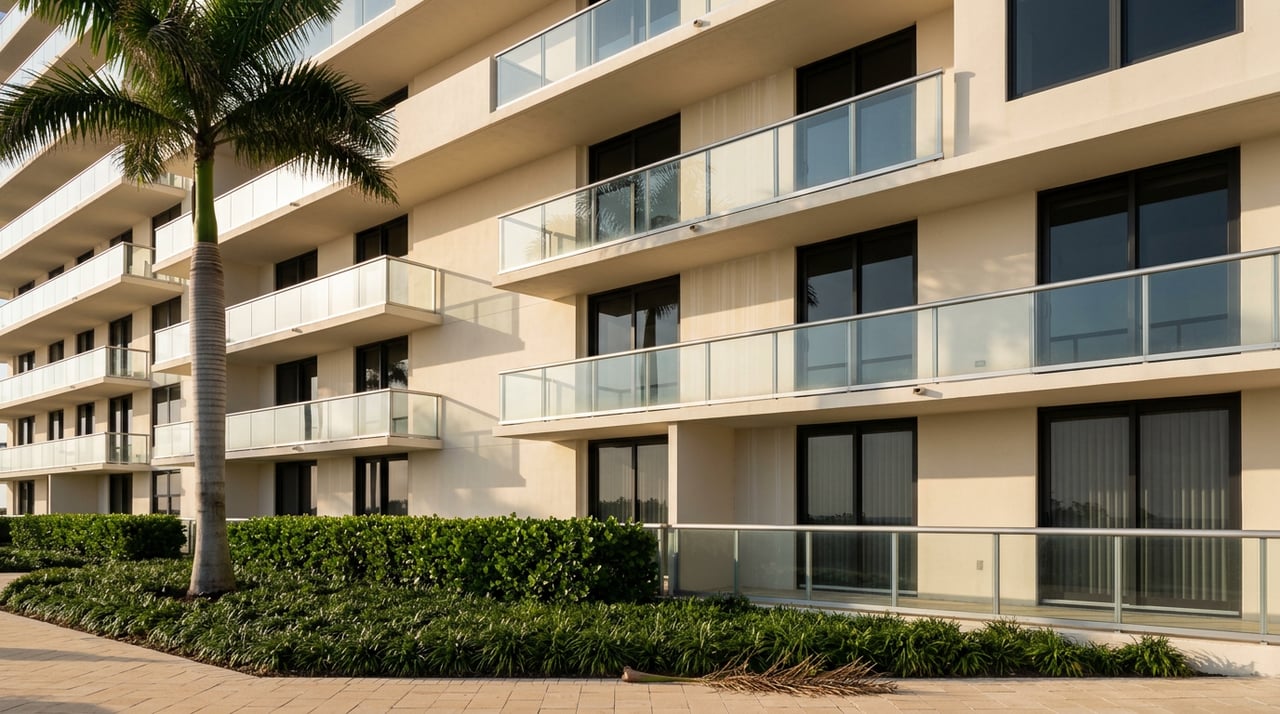
- Legacy high-rises: larger layouts and more classic lines, often with lower turnover. Confirm recertification status and capital plans.
- Boutique and low-rise condos: smaller HOAs and lighter amenities. Review reserves and any pending maintenance.
Match the category to your goals. Primary owners often trade up for services and views. Seasonal owners value lock-and-leave simplicity. Investors focus on carry costs and leasing rules.
Your field checklist for tours
Bring a tight list for apples-to-apples comparisons across showings.
- Current months of inventory for Bal Harbour and your target building.
- Recent median PSF for your building line or closest comp set.
- Last 6 to 12 months of DOM trends and list-to-sale ratios.
- HOA dues, inclusions, reserve status, and any special assessments.
- Flood zone, elevation, and insurance requirements.
- Rental rules, parking and storage details, and any transfer fees.
- Tax history and whether any exemptions apply.
Use regional stats from the Miami Association of Realtors and Florida Realtors, then verify details at the parcel level with the Miami‑Dade Property Appraiser.
Ready for a smarter search?
When you shop in a small, high-end market, precision counts. From PSF analysis to HOA risk checks and offer strategy, a concierge approach helps you move with confidence. If you want building-level insight and a calm, service-first process, connect with Marine Rollins to Schedule a private waterfront consultation.
FAQs
What drives Bal Harbour condo pricing?
- Price per square foot within the same line or building, oceanfront exposure, unobstructed views, and full-service amenities tend to shape both price and days on market.
How should I compare HOA fees across buildings?
- Look beyond the monthly number to inclusions, staffing, master insurance coverage, reserves, and any history of special assessments to judge true value.
What due diligence is unique to Miami‑Dade condos?
- Verify building recertification status, reserves, pending repairs, insurance coverage, flood zone, and any litigation before you finalize an offer.
How do insurance changes affect buyers in Florida?
- Shifts in the insurance market can raise master policy and HO-6 costs, so review current conditions through the Florida Office of Insurance Regulation.
Are short-term rentals allowed in Bal Harbour condos?
- Policies vary by building and local rules, so confirm condo documents and check current ordinances on the Bal Harbour Village website.
Where can I verify property taxes and prior sales?
- Use the Miami‑Dade Property Appraiser to review parcel details, assessed values, exemptions, and recorded sales history.