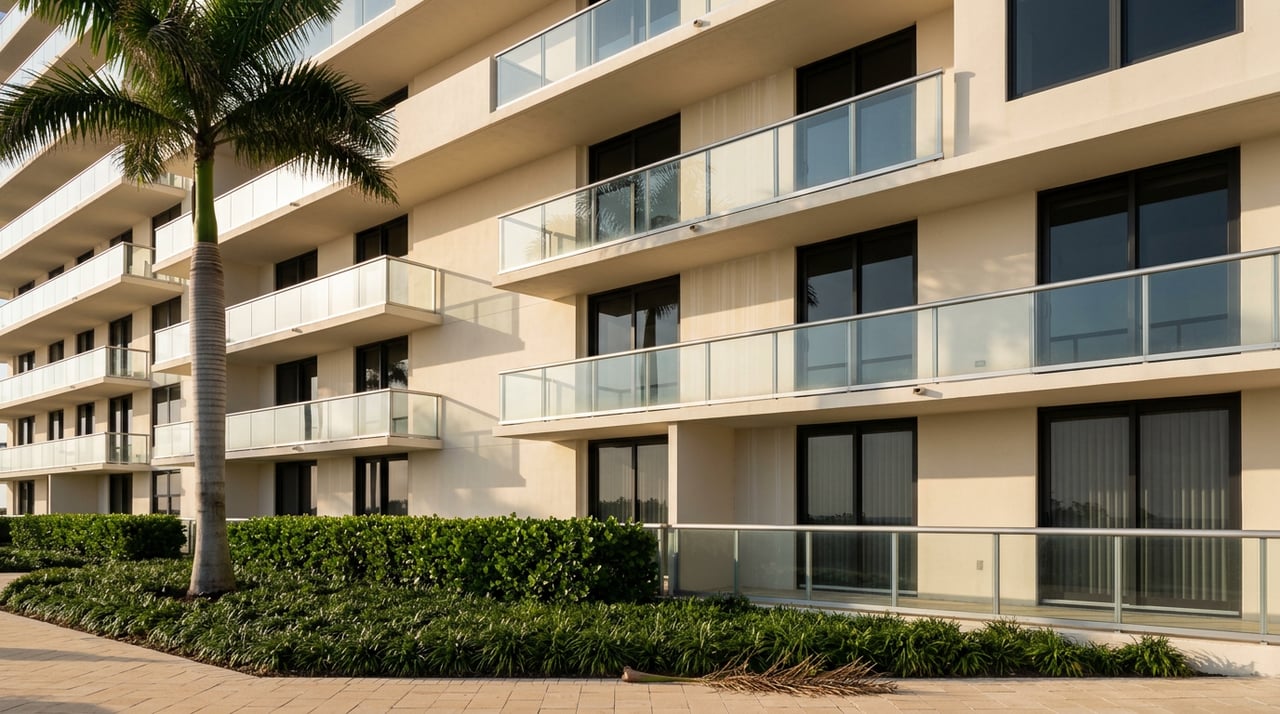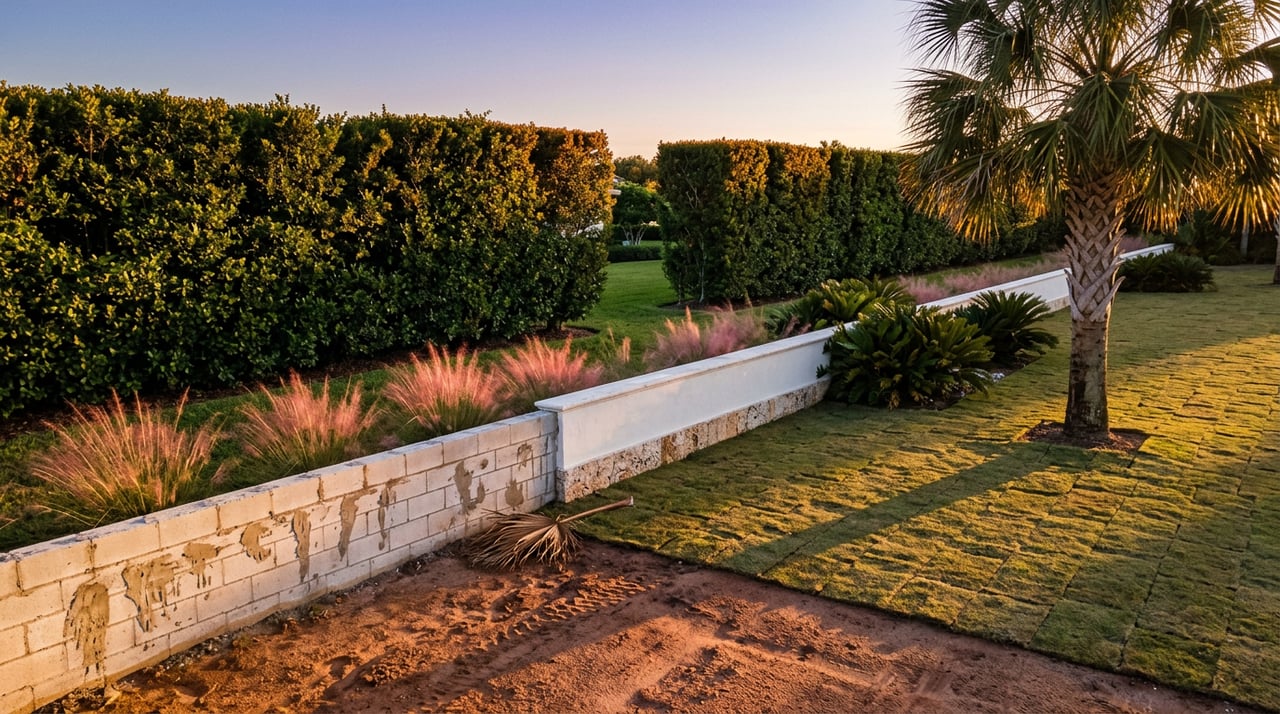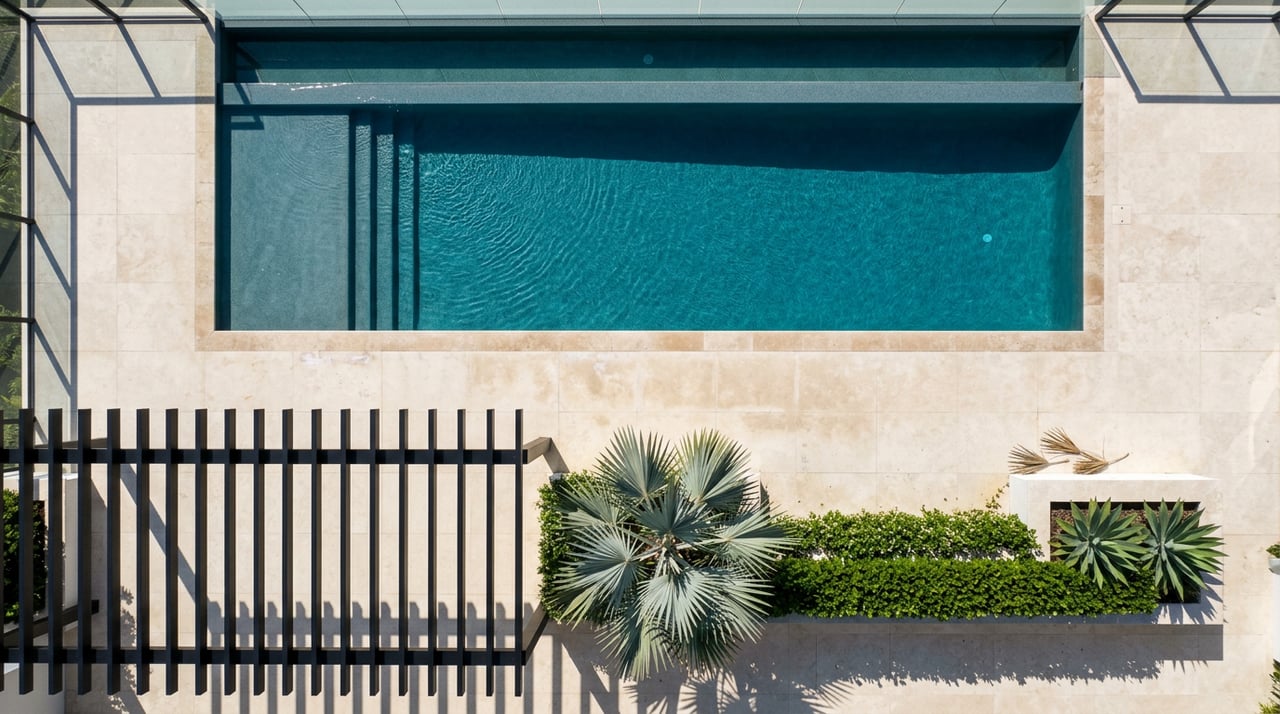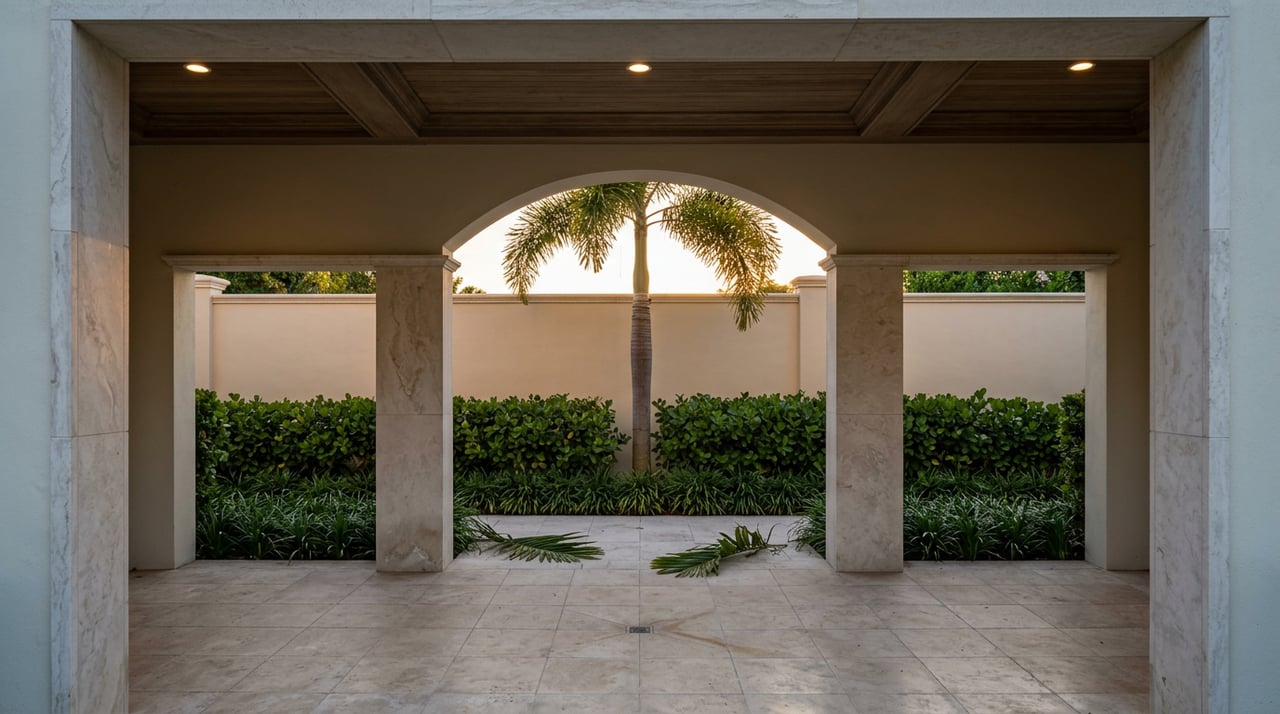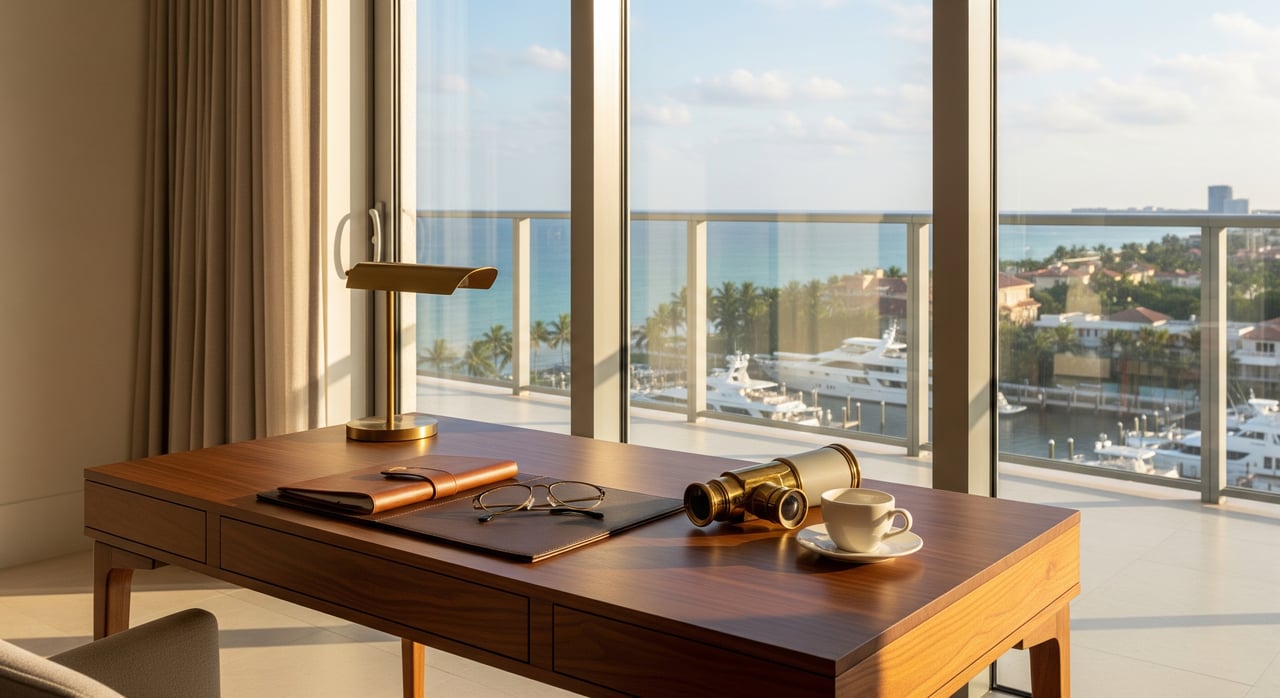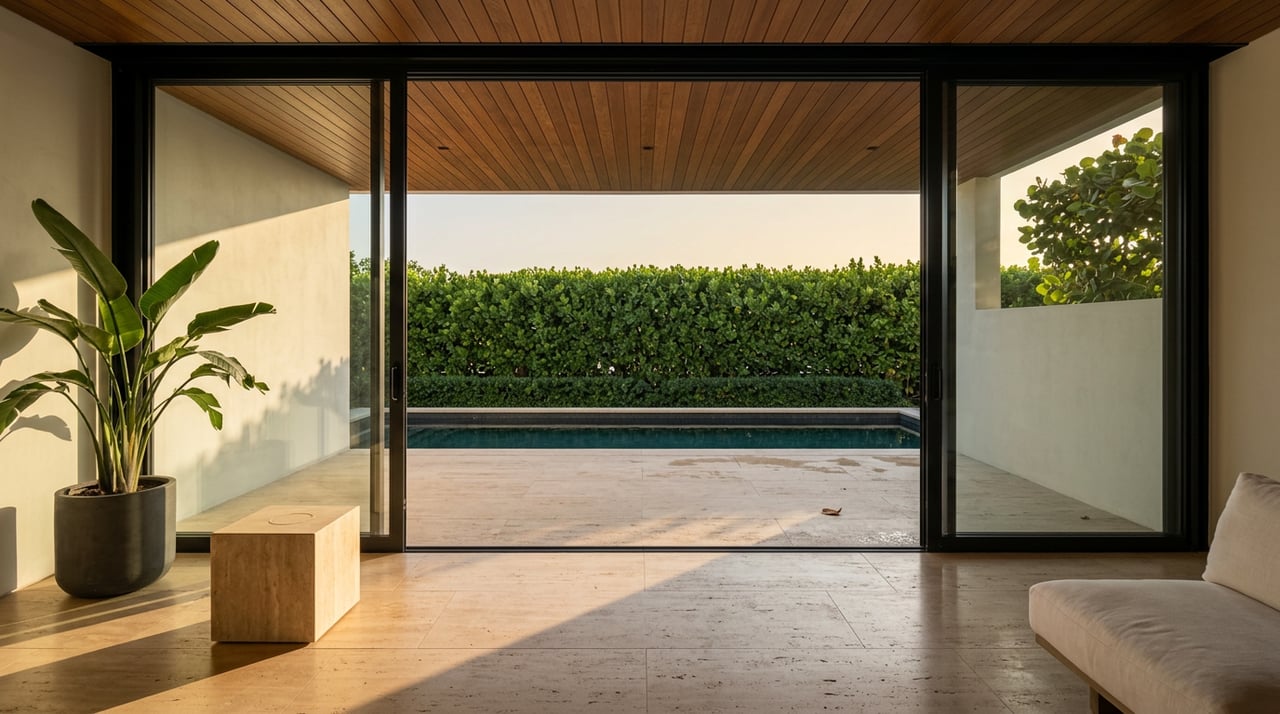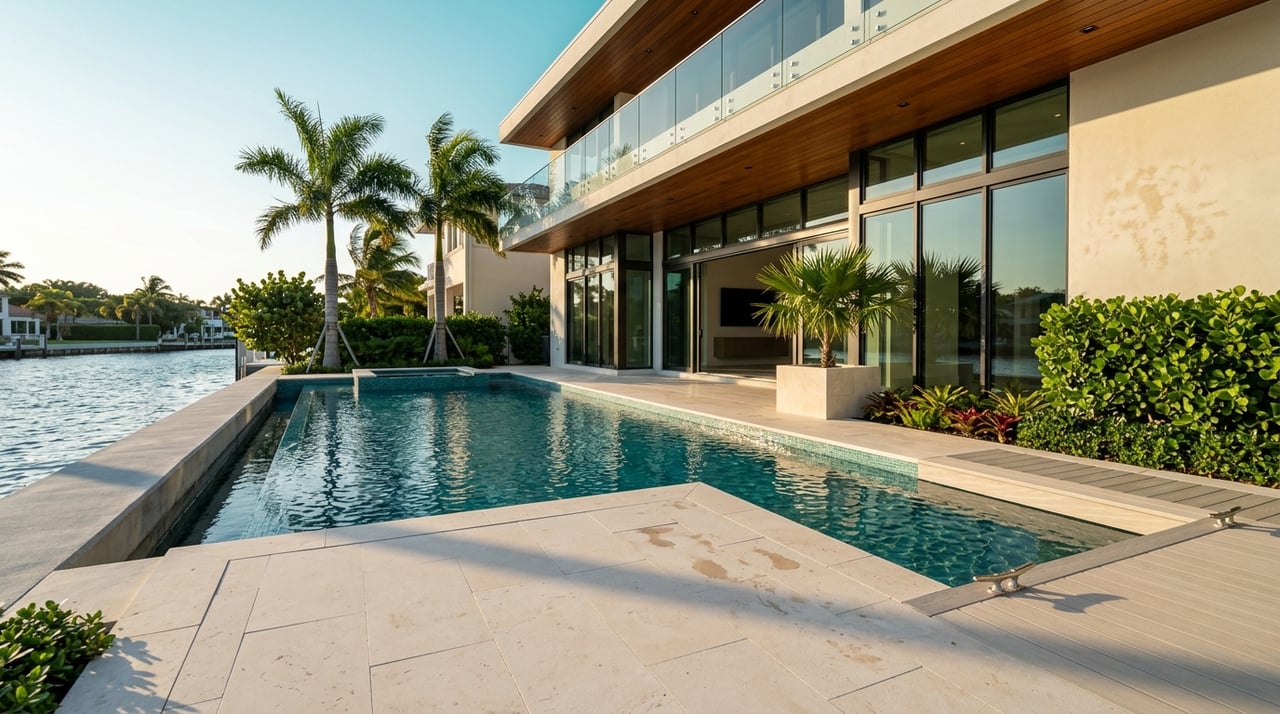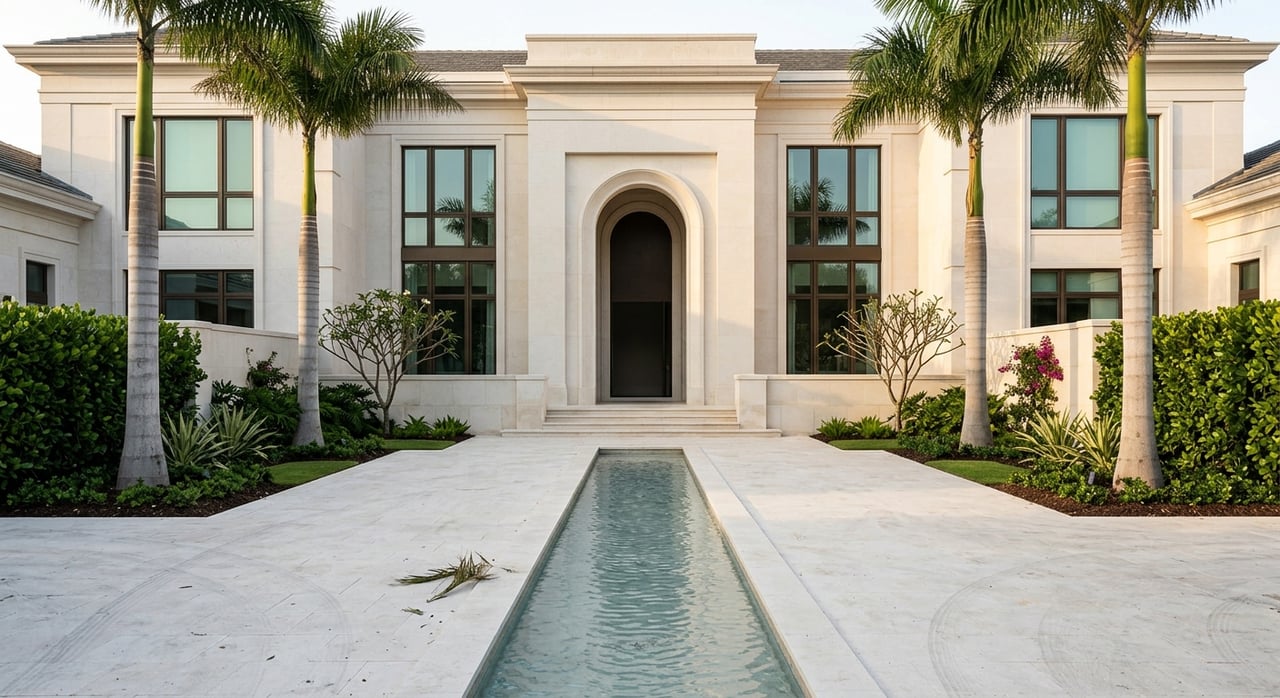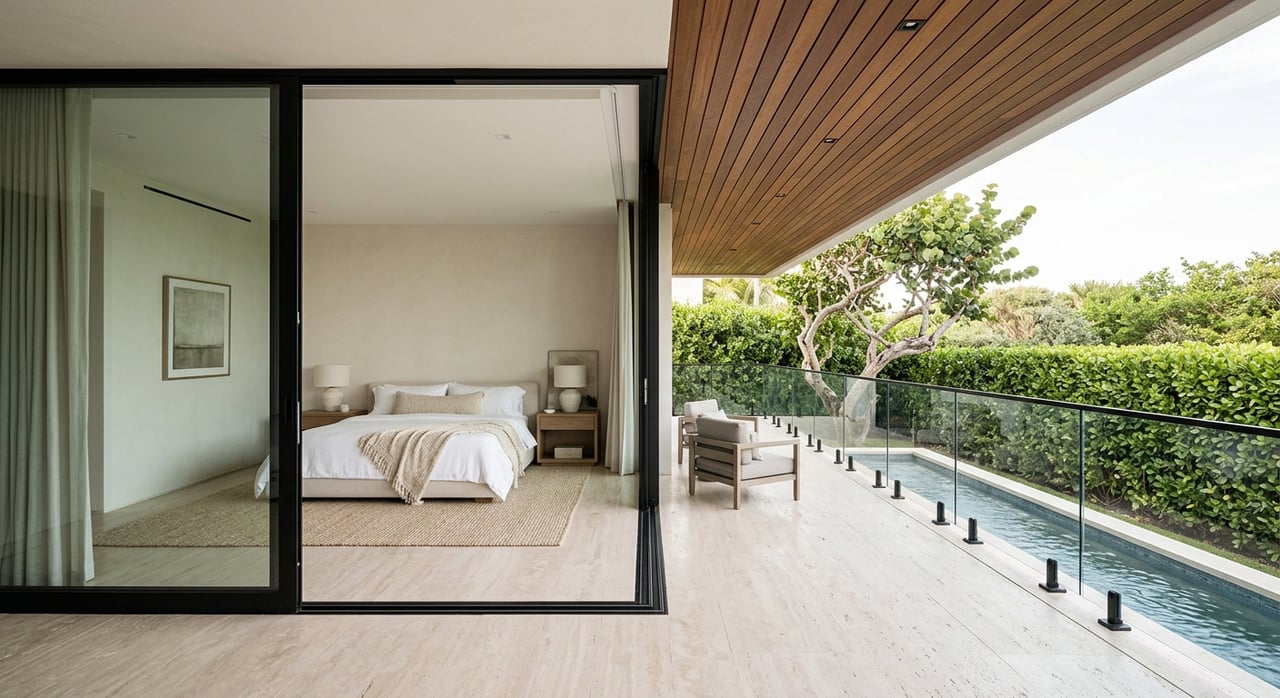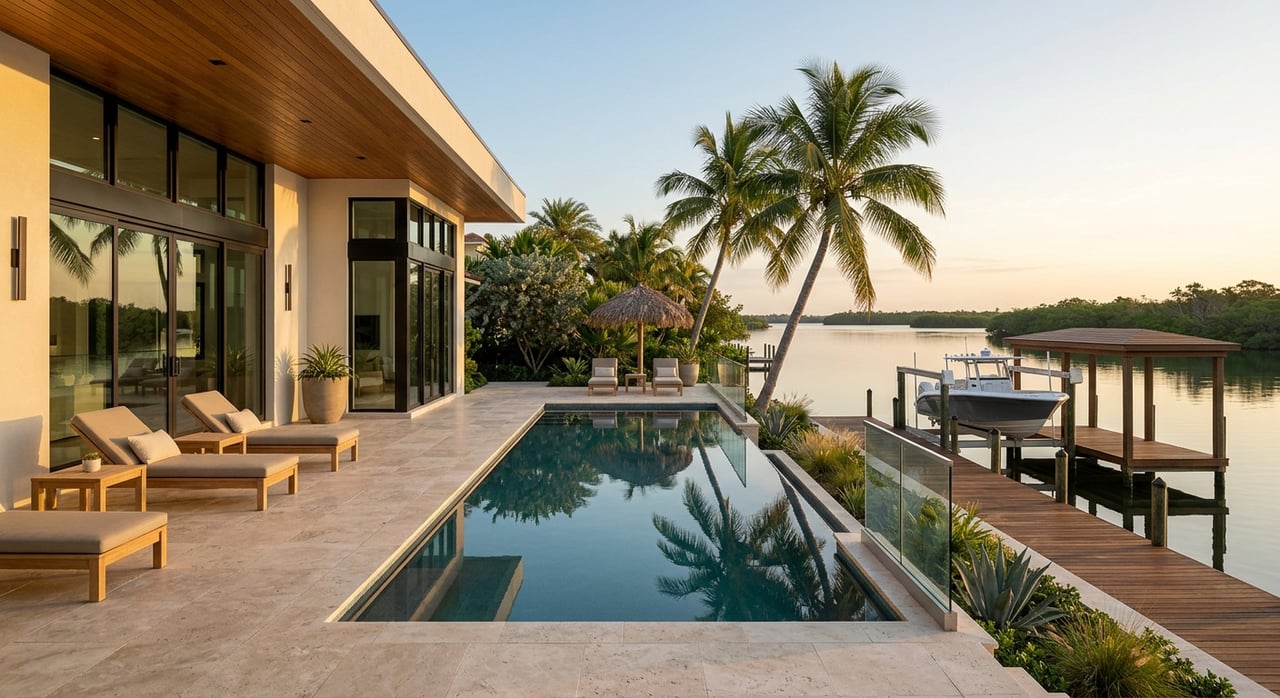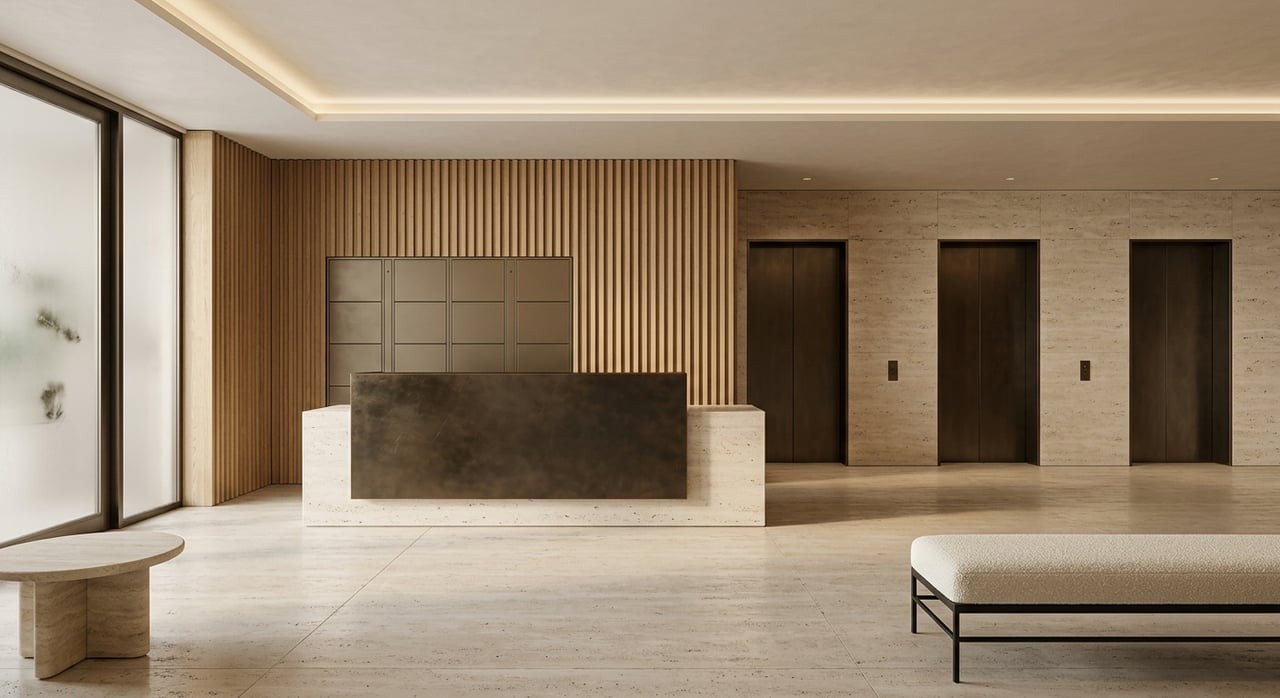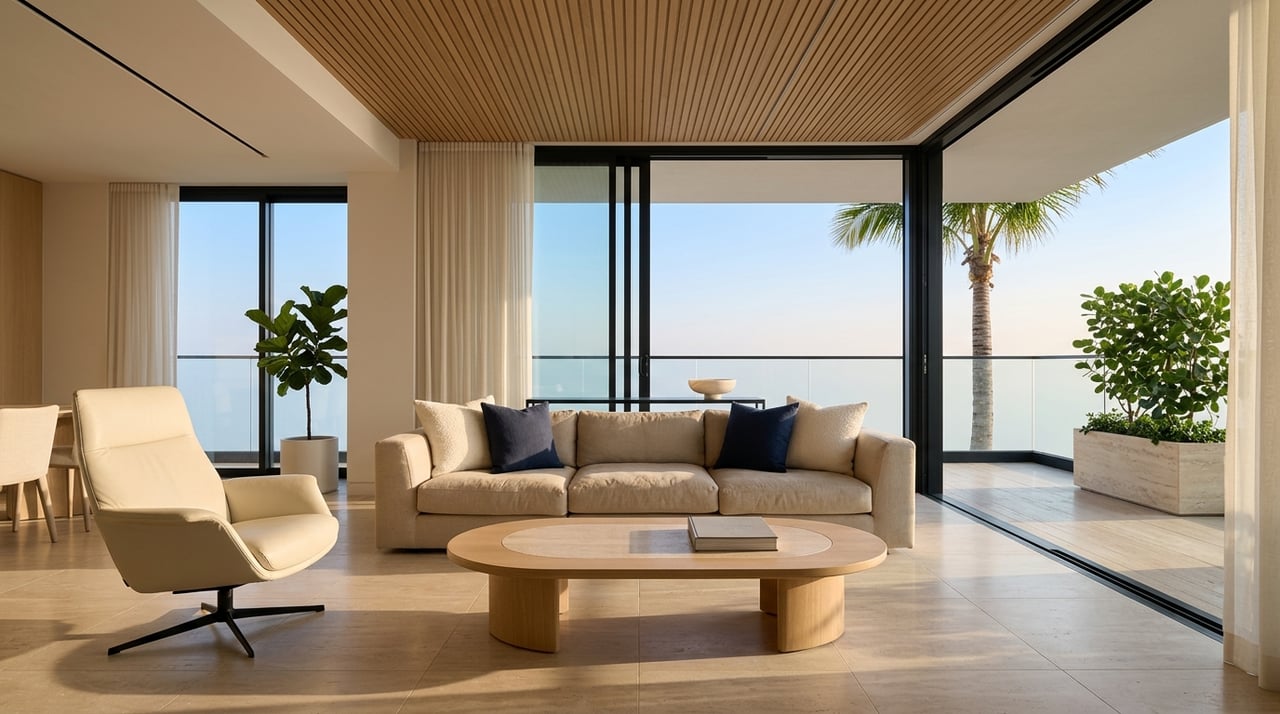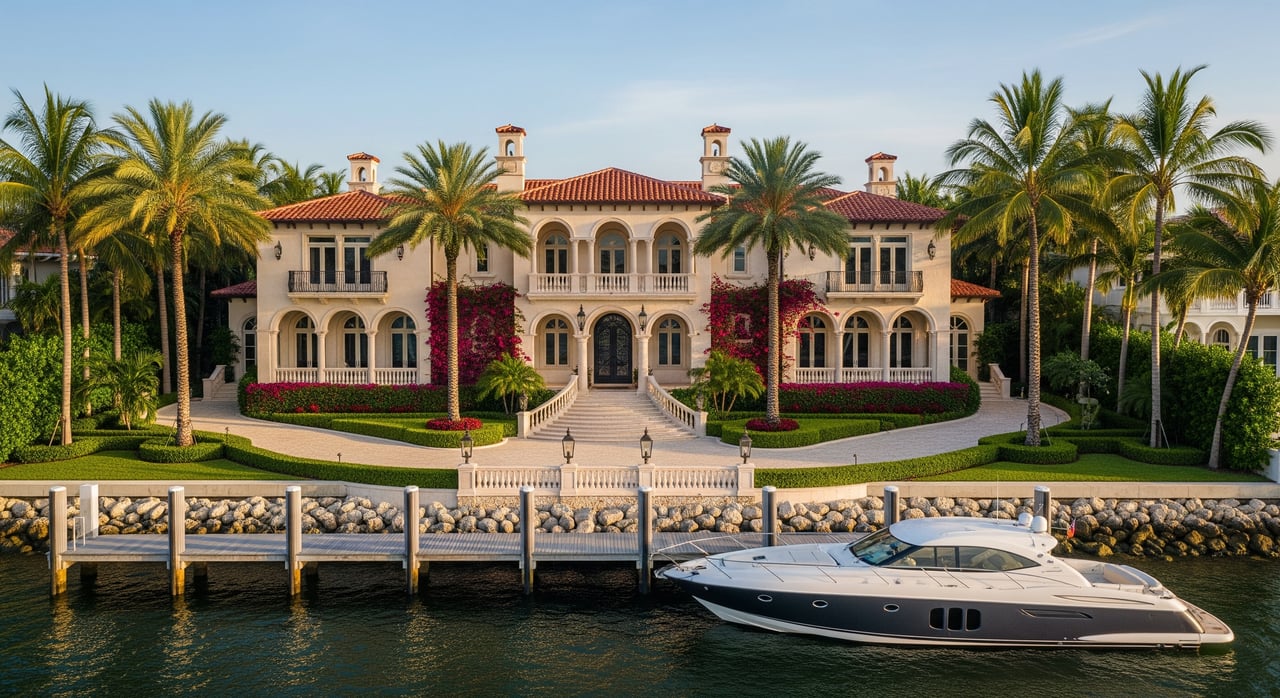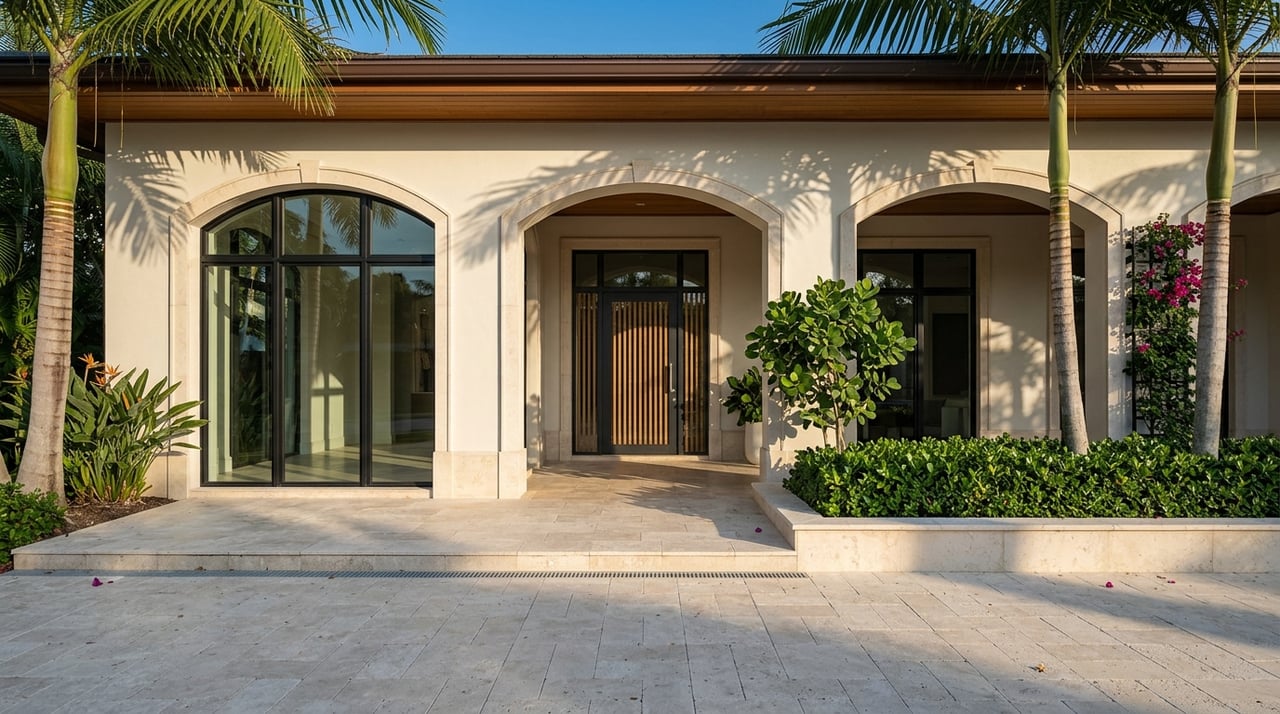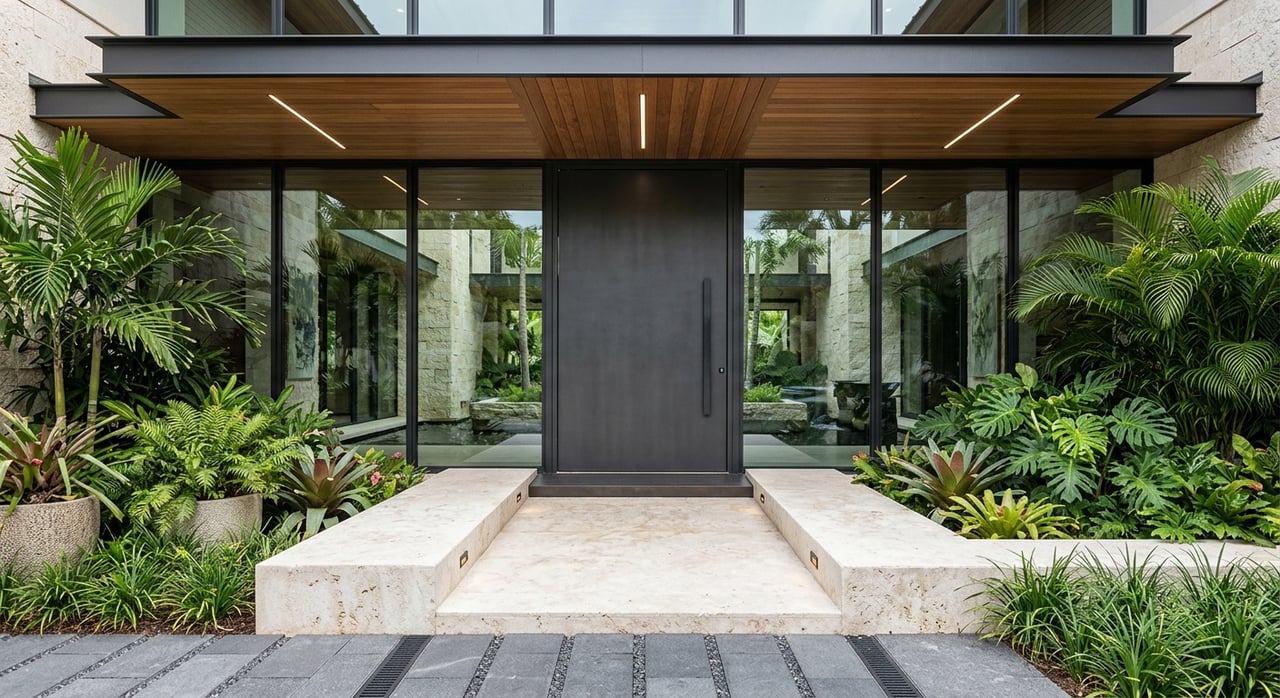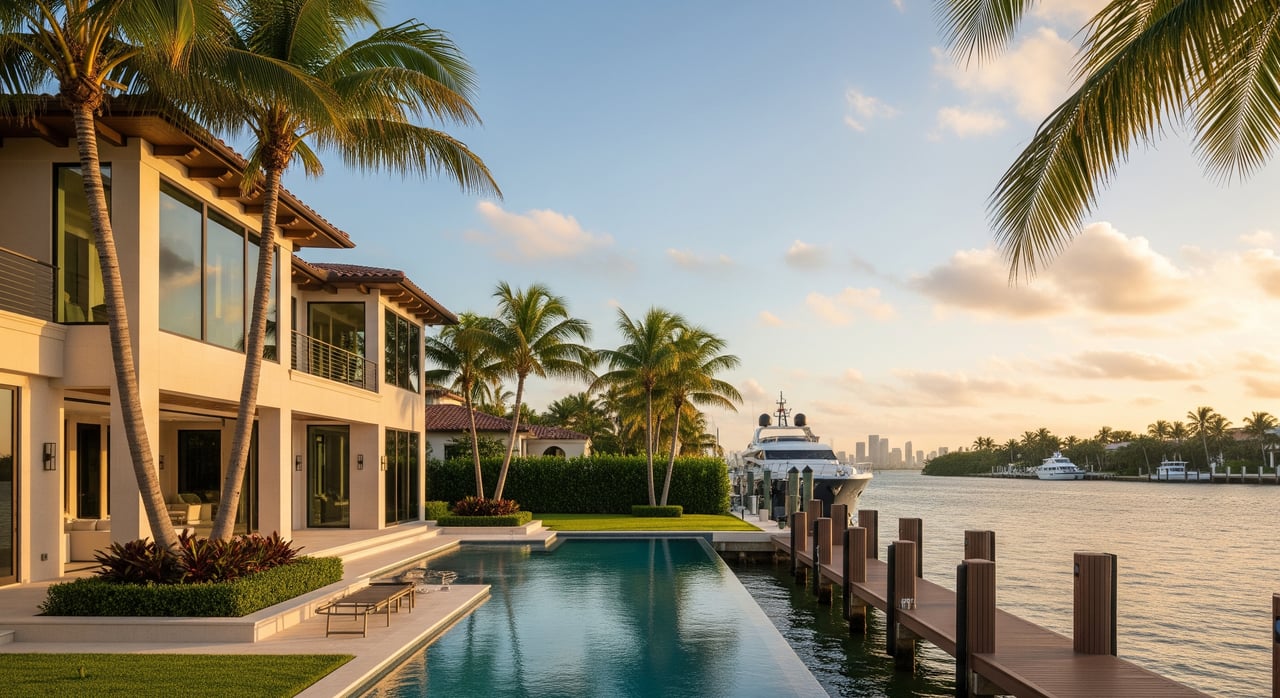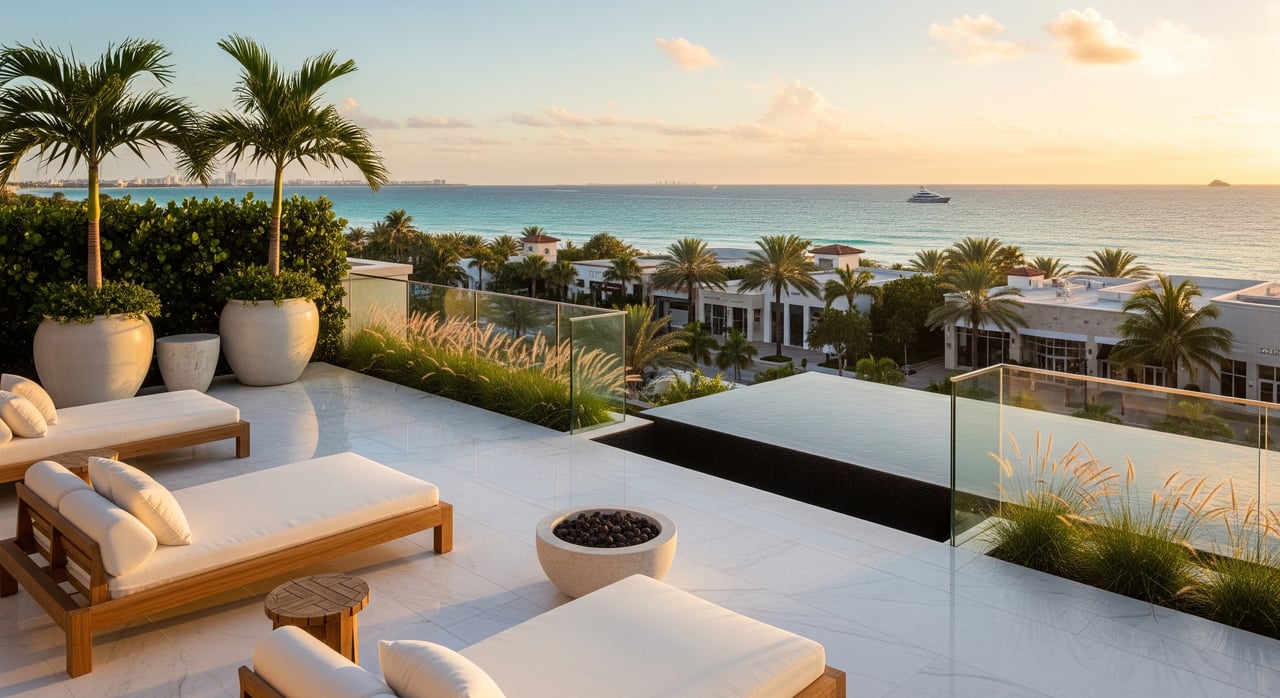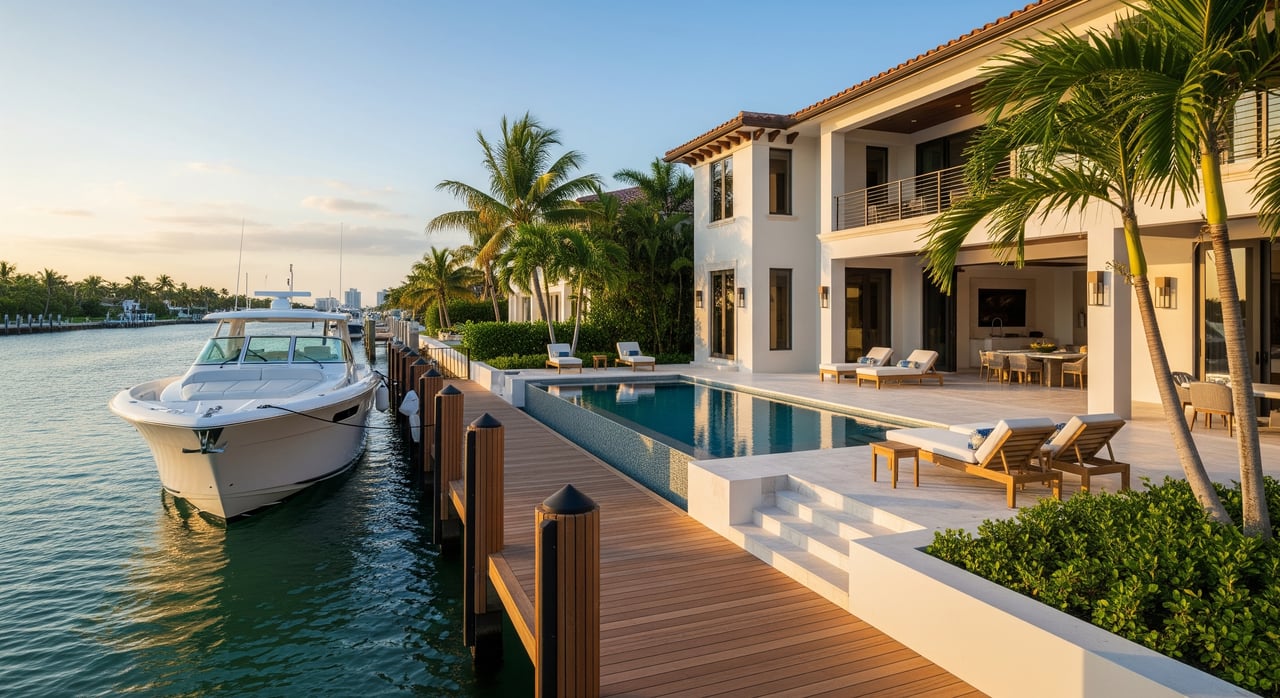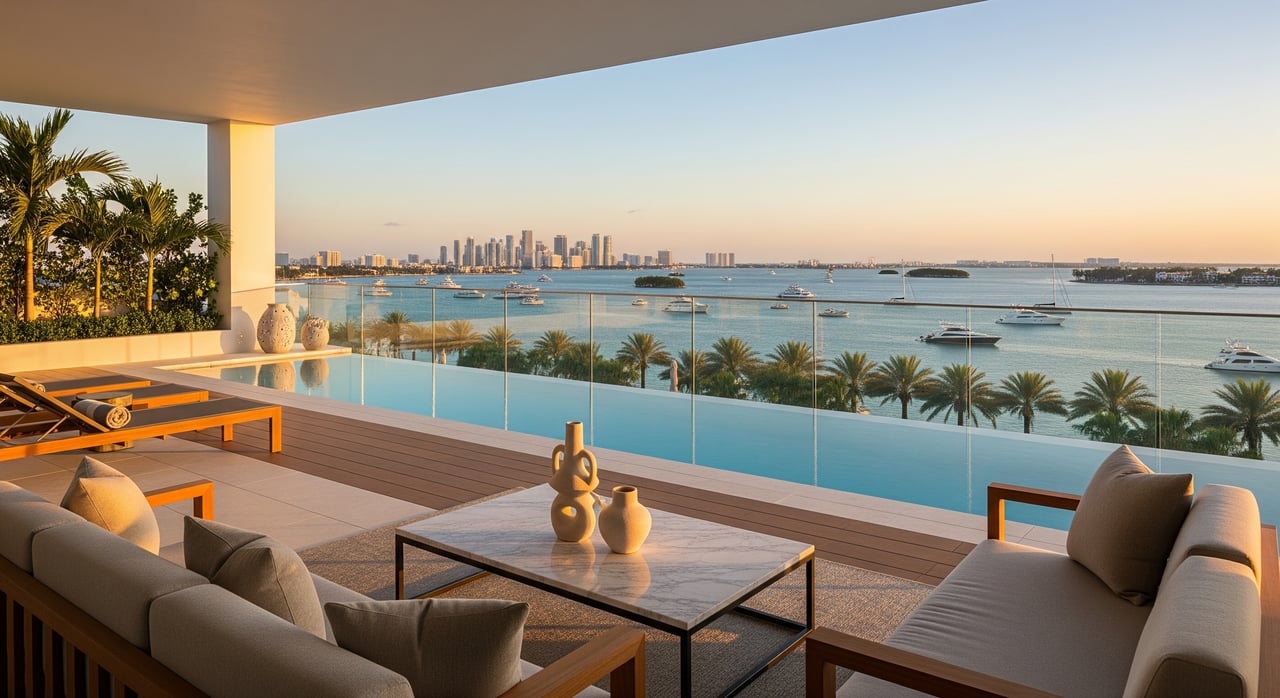
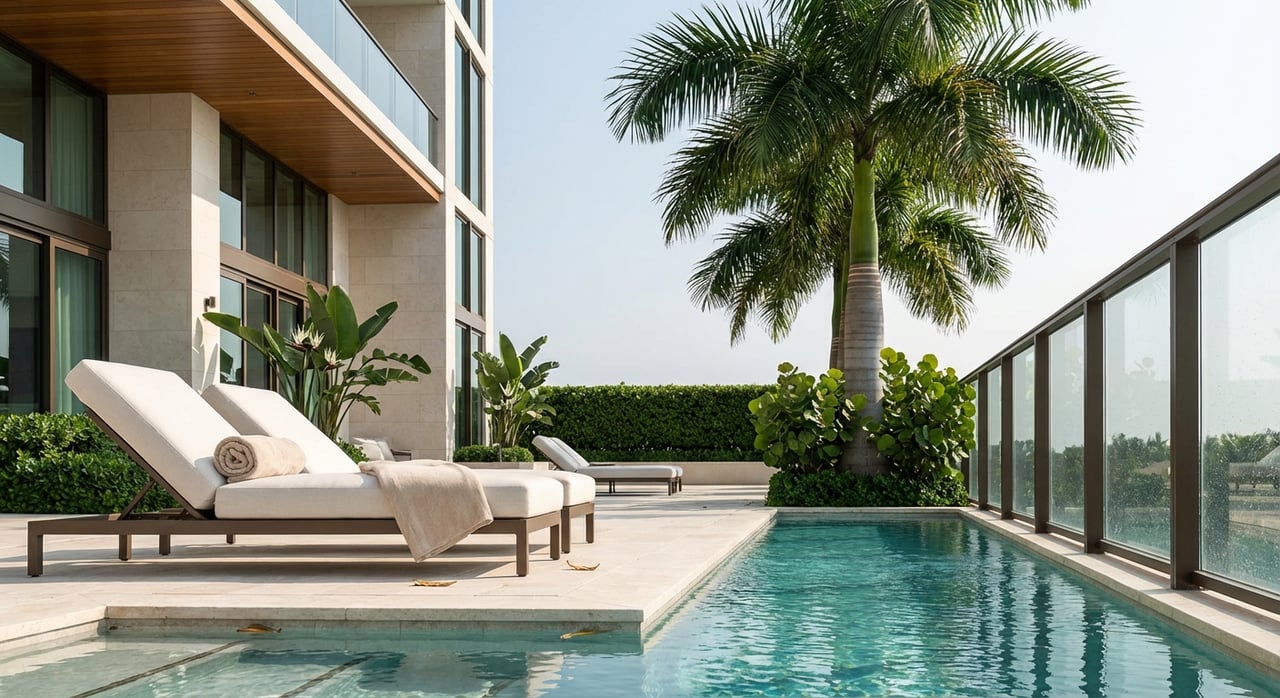
Choosing between St. Regis Bal Harbour and Oceana Bal Harbour often comes down to how you like to live. Do you want hotel-level service at your fingertips, or a private residential setting with design-forward spaces and deep terraces? You likely want clarity on layouts, amenities, fees, and rental flexibility before you commit. This guide gives you a side-by-side view so you can pick the building that truly fits your style. Let’s dive in.
Quick take: two distinct lifestyles
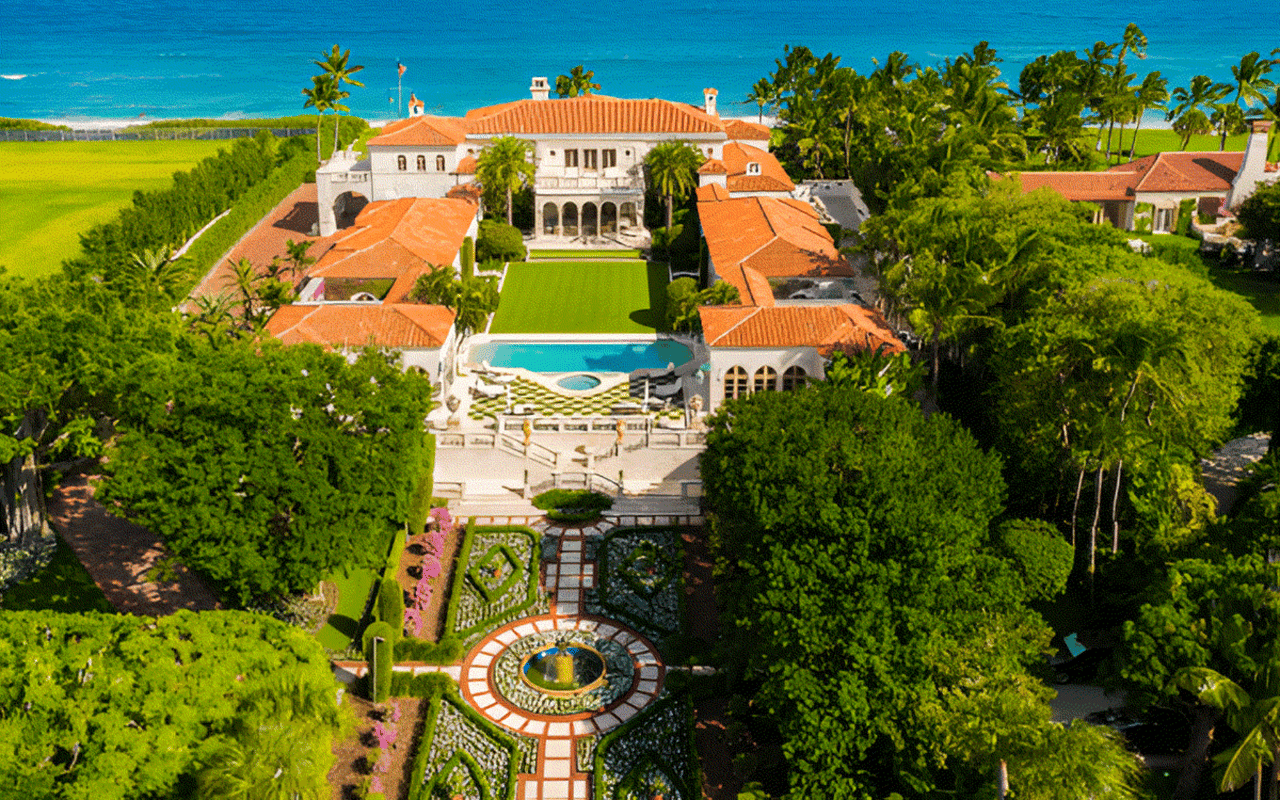
If you love full-service living with hotel operations on site, the St. Regis delivers signature butler service, spa access, and multiple dining options in a resort environment. The project blends a central hotel tower with separate residential towers and runs to hotel standards for service and amenities, as outlined in the village’s official St. Regis fact sheet.
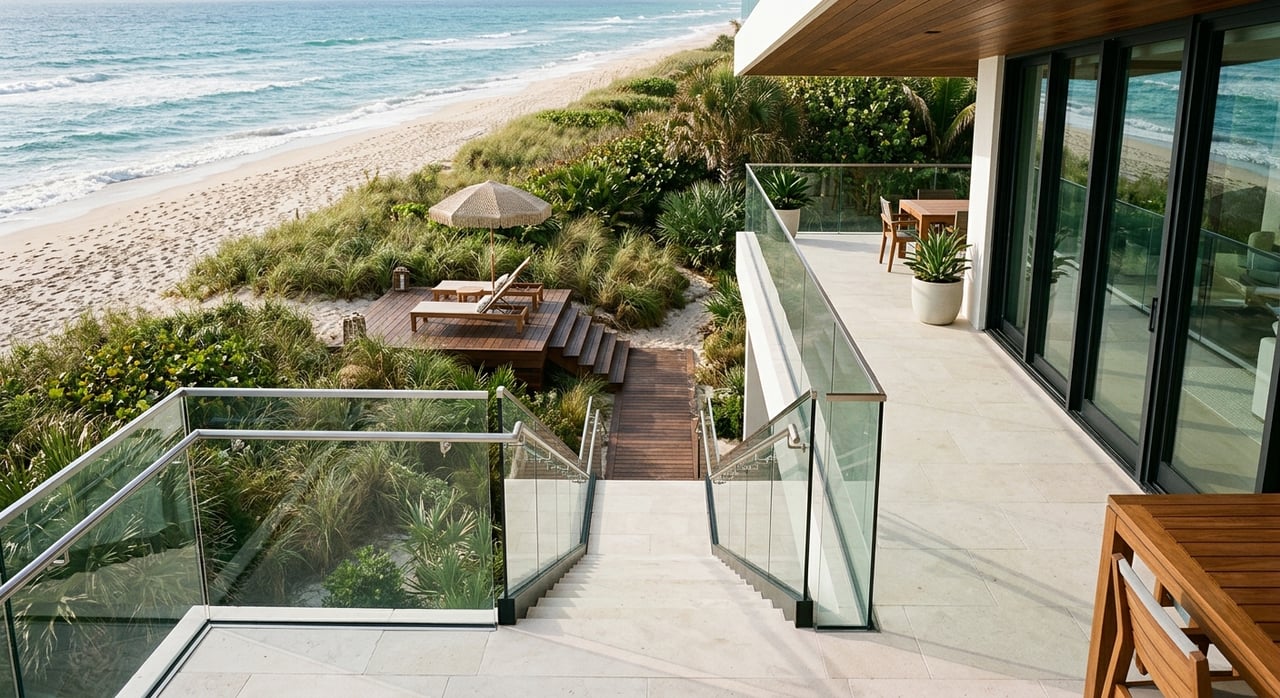
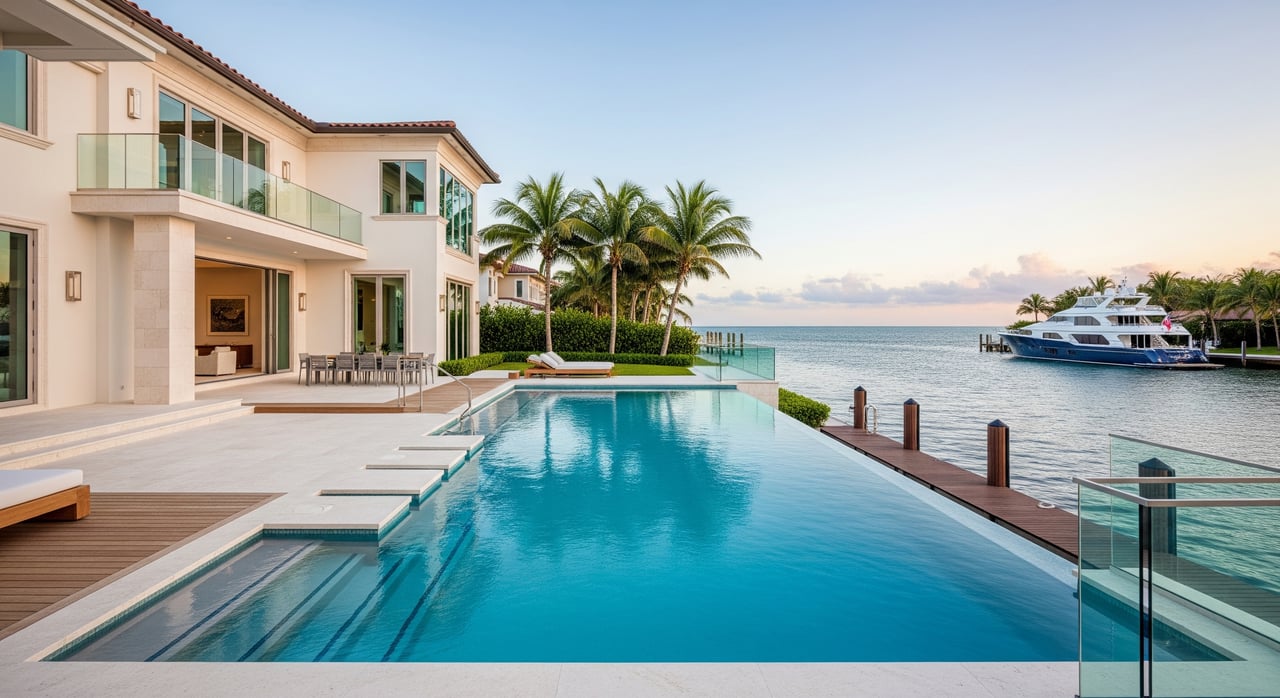
If you prefer a private, art-driven residential experience without a hotel component, Oceana feels like a contemporary oceanfront museum with resort-grade facilities and curated art, including Jeff Koons pieces. The developer positions the property as a private residence with oversized terraces and thoughtful layouts, as shown on the official Oceana Bal Harbour site.
Location and design pedigree
Both properties occupy prime oceanfront positions on Collins Avenue in Bal Harbour. St. Regis spans three adjacent glass towers commonly listed across 9701, 9703, and 9705 Collins Avenue, completed in 2011–2012 with architecture by Sieger Suarez and interiors by Yabu Pushelberg, per the Bal Harbour fact sheet.
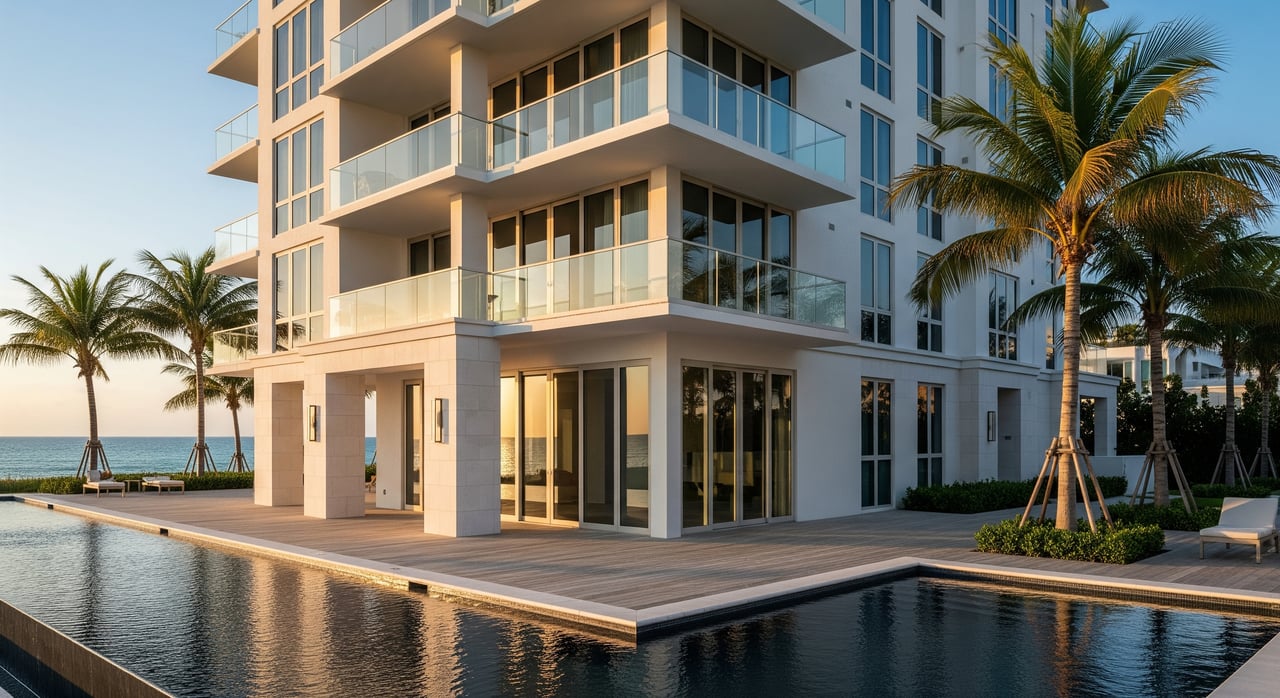
Oceana sits at 10201 and 10203 Collins Avenue on the former Bal Harbour Club site. Completed in 2016–2017, it comprises two connected 28-story structures set across 5.5 acres, with design by Arquitectonica, interiors by Piero Lissoni, and landscape by Enzo Enea. The property highlights a permanent art program, according to the official Oceana site.
Residences and layouts
At St. Regis, you find 1 to 4 bedroom residences in a condo-hotel setting, with many flow-through layouts, private elevator foyers in select lines, and hotel-level finishes. Sizes often range from about 1,000 to over 3,500 square feet in typical resale inventory. Finishes vary by unit and remodel, and residences benefit from branded services detailed by the Bal Harbour fact sheet.
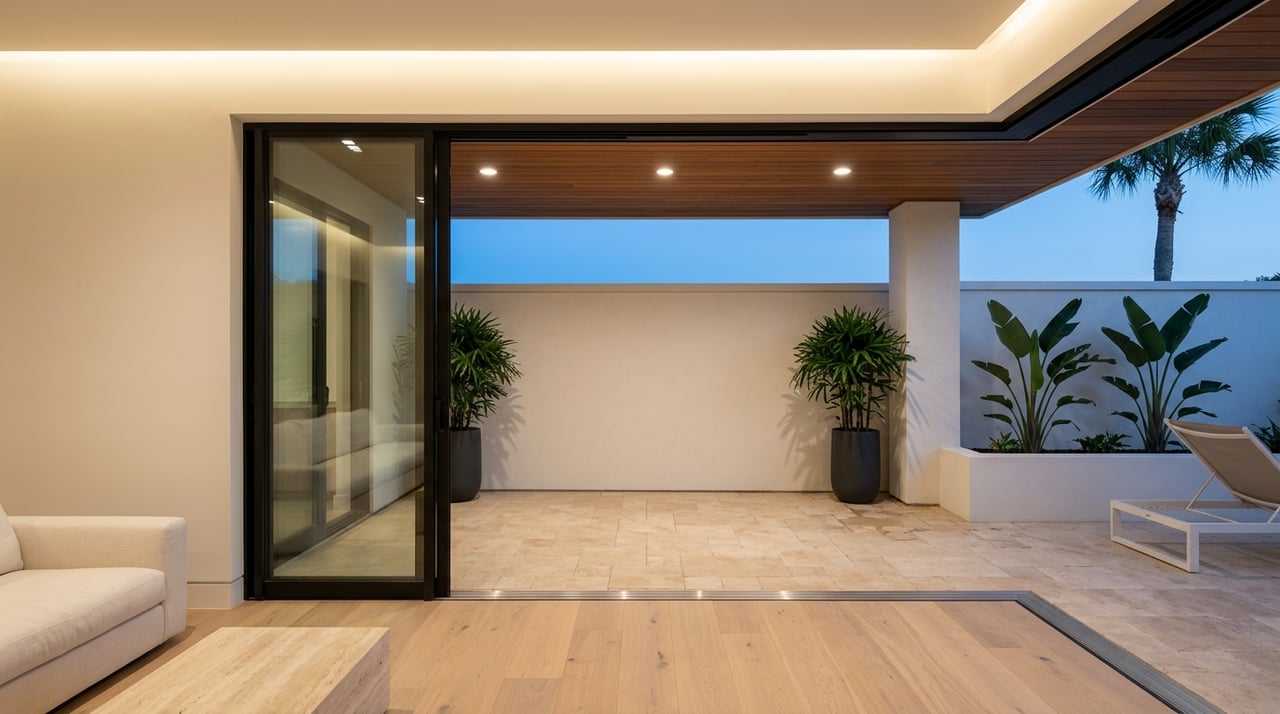
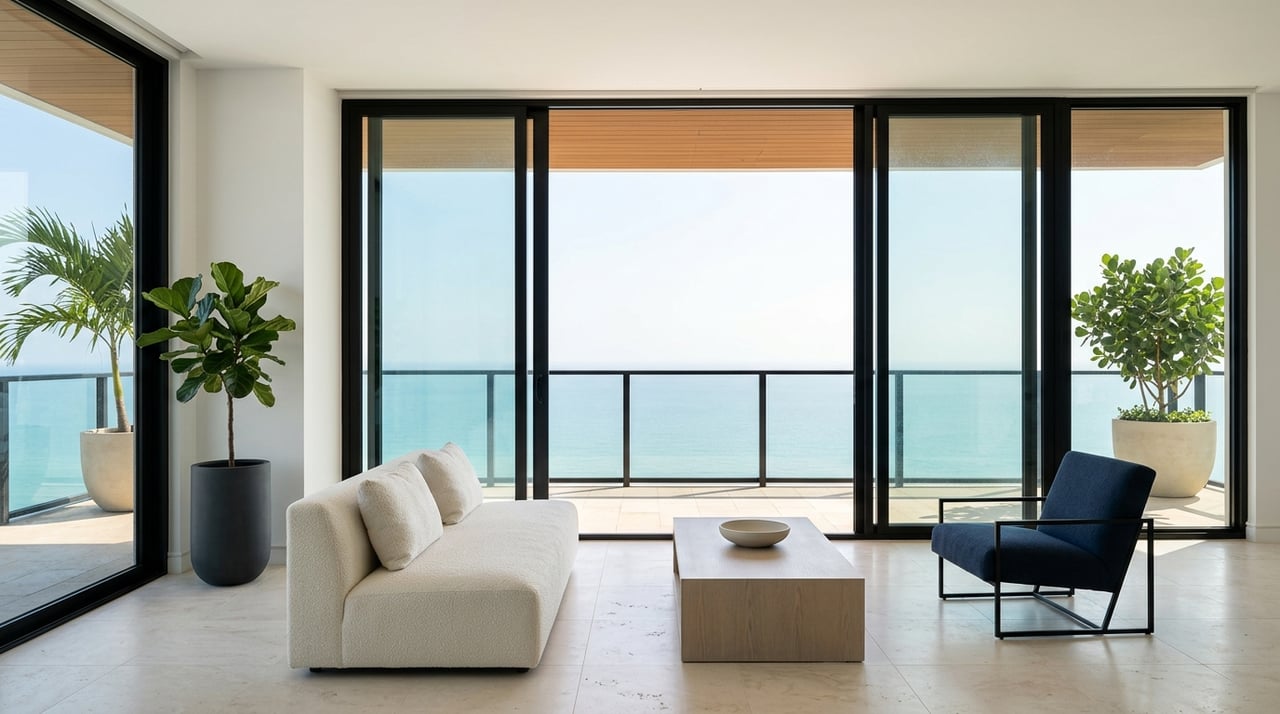
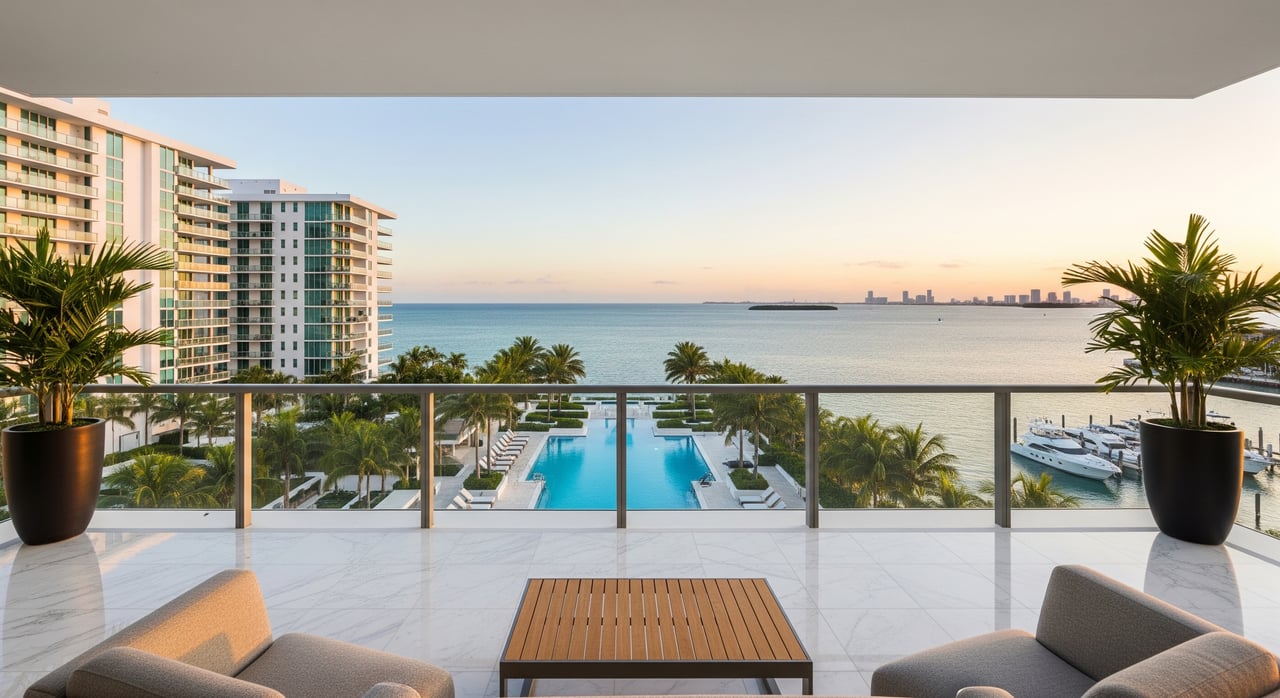
At Oceana, residences were delivered with high-end European kitchens and spa bathrooms in the Piero Lissoni aesthetic, with generous, deep terraces and 10-foot ceilings. Standard floor plans run 1 to 4 bedrooms, with notable penthouses and duplex upper penthouses. The emphasis is on full, flow-through residential living with broad ocean and bay exposures, as profiled by LX Collection’s property overview and the Oceana site.
Amenities and services
Both buildings deliver five-star experiences, but the feel is different.
St. Regis highlights
- Remède spa of about 14,000 square feet, plus fitness facilities
- Signature St. Regis Butler service and in-residence conveniences
- Multiple on-site restaurants and lounge spaces
- Private beach pavilions and cabanas
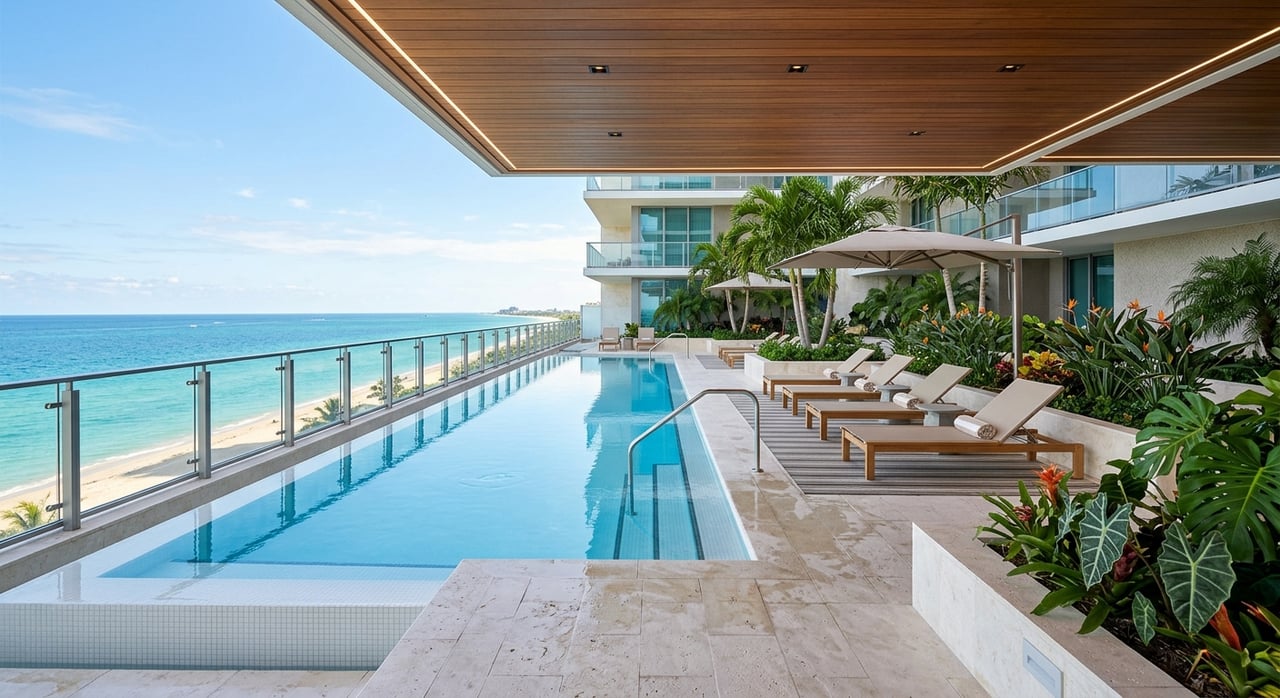
- Multiple pools that separate leisure and quiet experiences
- 24/7 concierge and valet, plus banquet and event areas
These services operate to hotel standards and define the offering, per the Bal Harbour fact sheet.
Oceana highlights
- Two oversized beachfront pools, including lap and relaxation pools
- Private restaurant and poolside dining
- World-class spa and fitness center
- Tennis courts and private cabanas
- Robust 24/7 concierge and valet
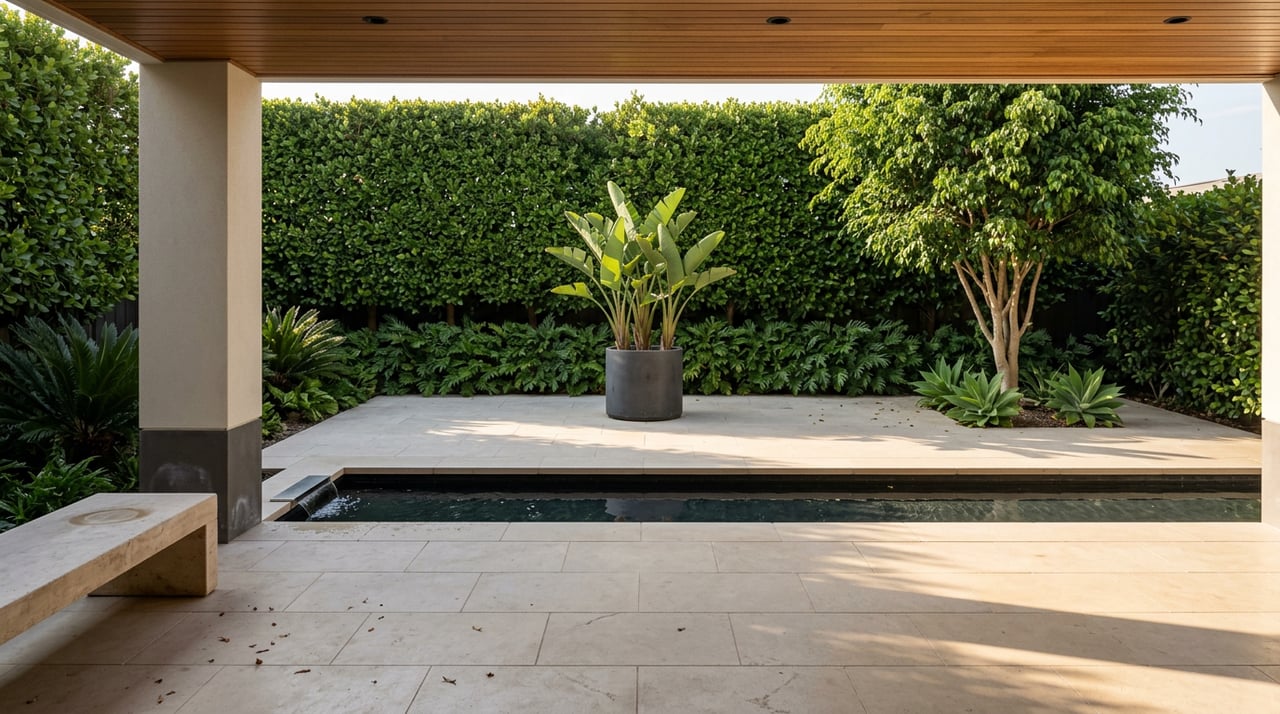
- Extensive landscaped open areas and a curated art program
Oceana is resort-style yet private, with fewer transient hotel guests and a residential cadence throughout, as outlined on the Oceana site.
Ownership costs and monthly dues
Monthly association fees vary widely at both buildings. The number changes with unit size, line, parking allocations, and specific inclusions. Recent MLS records and listing notes show how different units can sit at very different numbers.
Here are representative examples drawn from published listing data:
- St. Regis example, smaller footprint: a 1,599 square foot residence reported about 2,810 dollars per month in HOA. This illustrates that smaller condos can carry a lower nominal monthly payment while still accessing full hotel services.
- St. Regis example, larger footprint: a 3,556 square foot residence reported HOA around 19,102 dollars per month, which equals roughly 5.37 dollars per square foot per month for that specific unit.
- Oceana example, upper-tier footprint: a 2,625 square foot residence recorded HOA near 5,360 dollars per month, or about 2.04 dollars per square foot per month on that particular plan.
- Oceana example, larger residence: listing records show HOA in the mid 5,000 dollar range for some nearly 4,000 square foot residences.
What this means for you:
- Always compare HOA both as a monthly total and on a per-square-foot basis.
- Ask what the fees include. Some associations package utilities or services differently than others.
- Request the most recent association budget, audited financials, and board meeting minutes before you make an offer.
Rental policies and owner use
Rental flexibility is a core difference.
St. Regis: As a branded hotel plus residences, many units are advertised with the option to participate in a hotel-managed rental program. Representative listing fields show very short minimum stays, sometimes as short as 1 day, and a high number of leasing occasions per year. Exact rules are unit-specific and governed by the condominium documents and any hotel operating agreement. Confirm terms in writing with the association and management, and review the declaration.
Oceana: Listings commonly report longer minimum lease periods, typically 180 to 365 days. This supports a more private residential feel and reduces transient turnover. Policies can vary by unit and over time, so verify the current minimums and any application or move-in procedures directly with the association.
Practical tip: If short-term revenue is essential to your plan, obtain the building’s leasing policy, confirm any rental program fees, and ask about blackout periods. If you prefer long-term stability, focus on buildings with 6 to 12 month minimums.
Resale performance and liquidity
Oceana has commanded some of the highest headline prices in Bal Harbour. A 2023 trade closed at 25 million dollars, roughly 3,360 dollars per square foot for an approximately 7,400 square foot residence, as reported by The Real Deal. Multiple 5 to 12 million dollar sales are documented in recent periods, and several penthouses have traded above 20 million dollars, underscoring trophy-level demand.
St. Regis shows steady activity across a wider price spectrum. Recent resales range from smaller residences trading around 2,000 dollars per square foot to larger flow-through homes closing in the mid to upper single digit millions. While the building’s top-end ceiling typically sits below Oceana’s record prints, combined units and rare penthouses can still achieve very high pricing when they come to market.
Takeaway: Oceana has set the top trophy benchmarks, while St. Regis offers consistent liquidity for a hotel-service lifestyle across multiple price tiers. At the ultra-luxury level, inventory is thin and timing matters, so comps can swing when notable residences trade.
Which fits your style
Use this quick decision guide to align your priorities.
- Service orientation: If you want hotel-level support like butler service, in-residence dining, spa, and a staffed environment every day, St. Regis suits you. For a private residential cadence with curated art and resort amenities minus hotel operations, choose Oceana. See the St. Regis fact sheet and Oceana overview.
- Rental flexibility: If short-term or hotel-managed rentals matter, explore St. Regis units that allow program participation, and confirm terms. If you prefer longer leases and fewer transient guests, Oceana’s typical 180 to 365 day minimums align better.
- Space and design: If very deep terraces, flow-through plans, and a Lissoni design language are must-haves, Oceana is compelling, as summarized by LX Collection. If a resort-finish canvas with potential for bespoke remodeling and full hotel access appeals, St. Regis delivers.
- Monthly dues tolerance: If you plan to use extensive hotel services and do not mind higher fees on larger footprints, St. Regis can be a great match. If you want a private-residence cost structure that often shows lower per-square-foot dues on comparable larger plans, Oceana can be attractive.
Due diligence checklist
Before you write an offer, request and review:
- Condominium declaration and amendments, including rental rules and any hotel program terms
- Latest association budget, audited financials, insurance certificates, and reserve study
- Recent board meeting minutes that mention leasing policies or assessments
- Building comps from the last 12 to 36 months, including closed prices and dollars per square foot
- Unit entitlements such as parking count, storage, and any separate memberships or fees
Ready to see how each building lives in person and to compare current inventory, HOA scopes, and rental terms side by side? Schedule a private waterfront consultation with Marine Rollins for building-level guidance and a tailored plan.
FAQs
Can I do short-term rentals at St. Regis Bal Harbour?
- Many units participate in a hotel-managed rental program with very short minimum stays reported in listing records. Always verify the exact policy in the condominium documents and management agreements before you buy.
What are Oceana Bal Harbour’s typical lease minimums?
- MLS records commonly show 180 to 365 day minimums, which support a private residential atmosphere. Confirm the current rule in the association’s leasing policy.
How much are monthly HOA fees at these buildings?
- Fees are unit-specific. Recent examples show St. Regis ranging from about 2,810 dollars per month on smaller footprints to over 19,000 dollars per month on larger residences, while Oceana examples range from the mid 5,000s per month on upper-tier plans. Compare per-square-foot costs and request the latest budget.
Which holds value better: St. Regis or Oceana?
- Oceana has produced record trophy sales, including a 25 million dollar trade reported by The Real Deal. St. Regis shows consistent demand across price tiers for hotel-service living. Liquidity varies based on timing and unit rarity.
What is the core lifestyle difference between the two?
- St. Regis reads as a full-service resort with on-site hotel operations and white-glove support. Oceana reads as a private, art-forward condominium with resort amenities and a residential cadence, as described by the Oceana site.