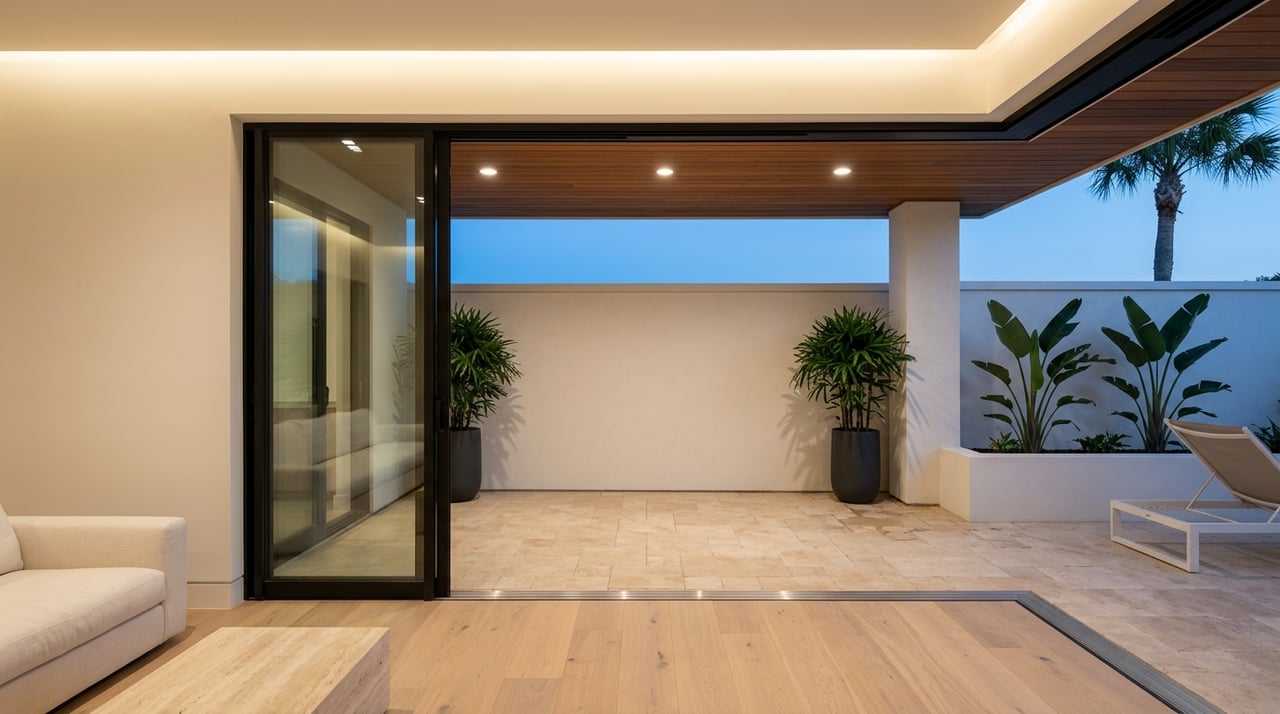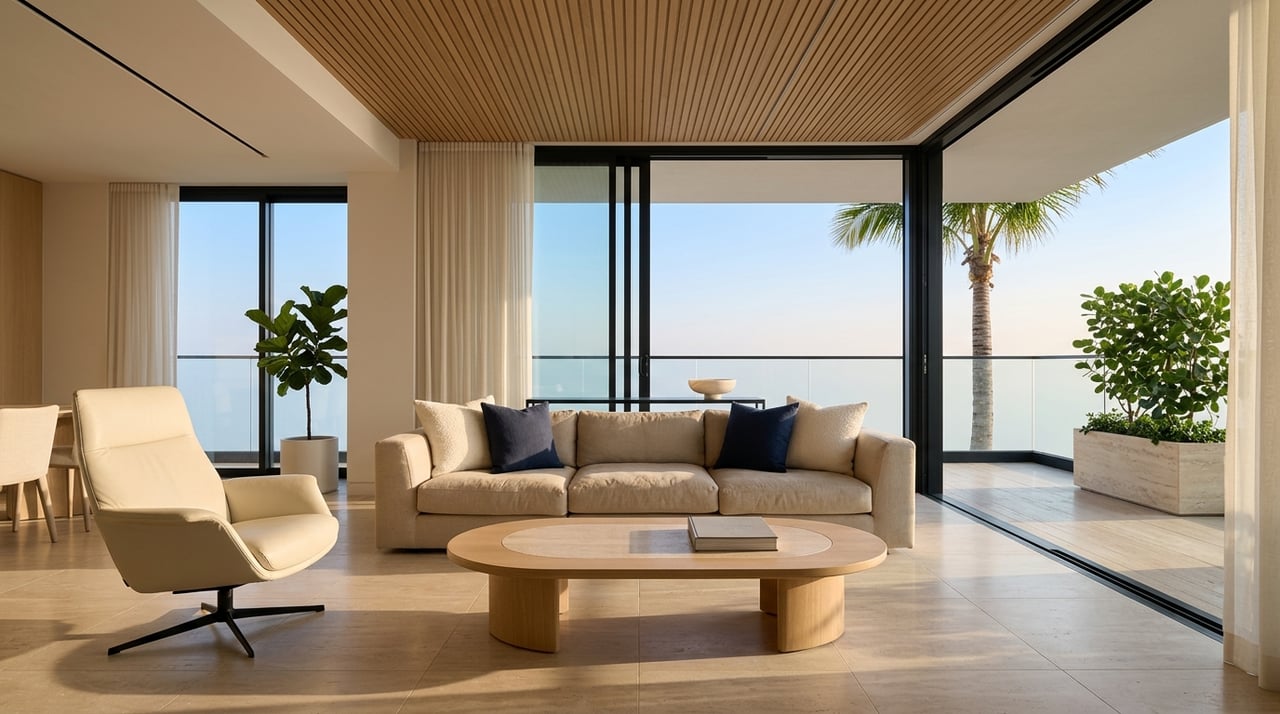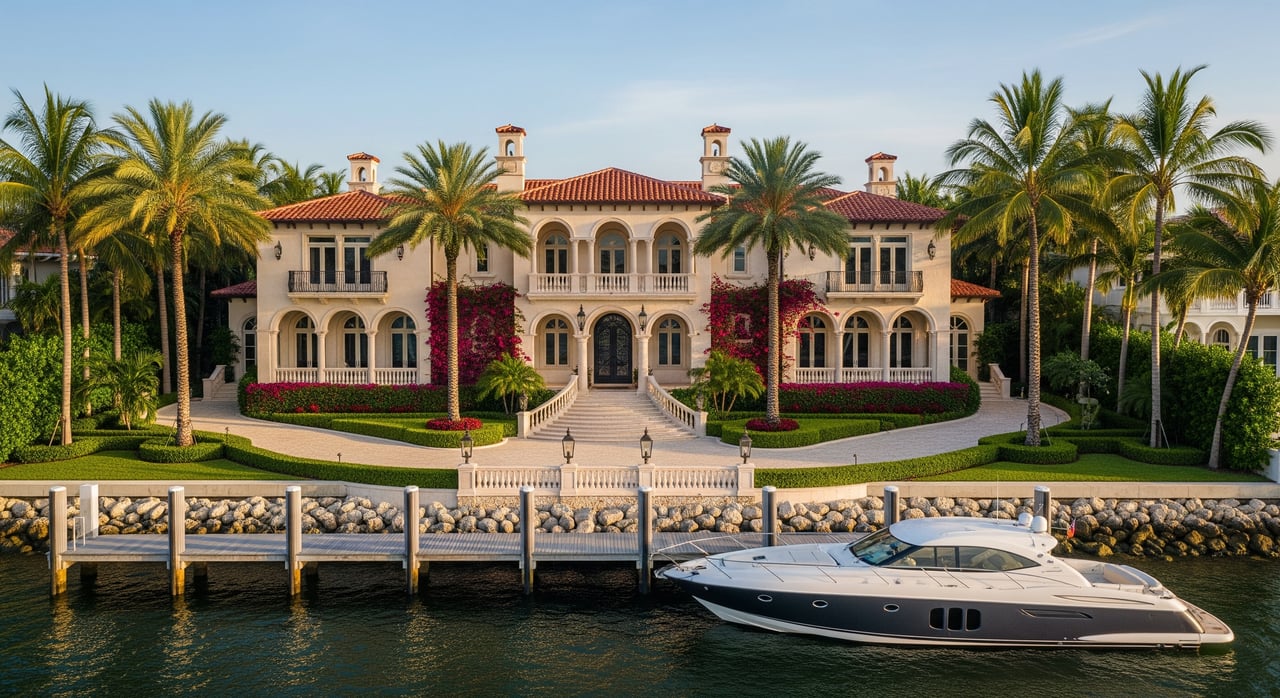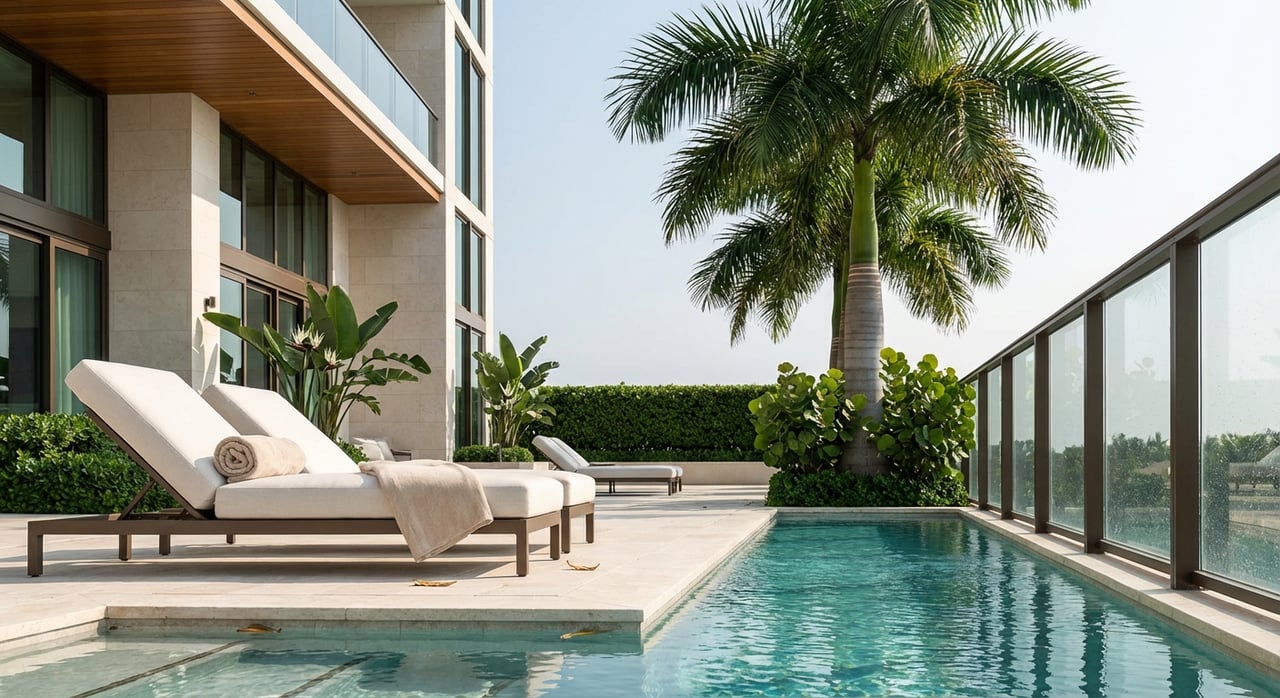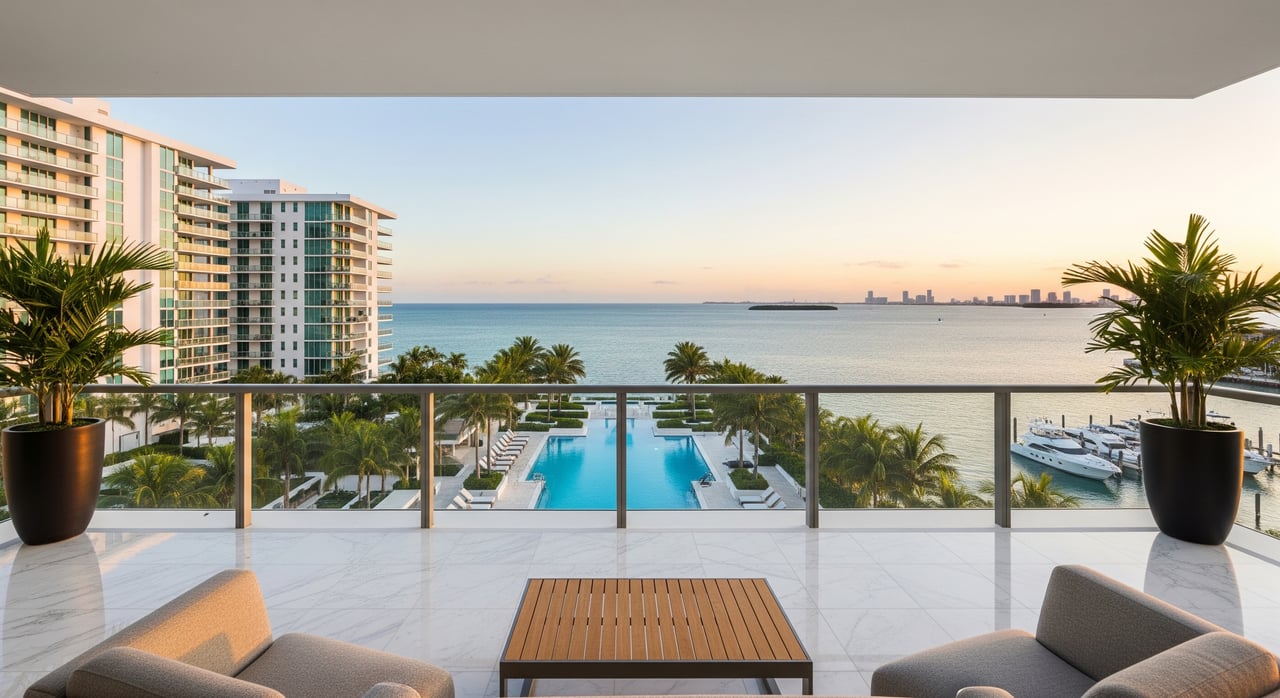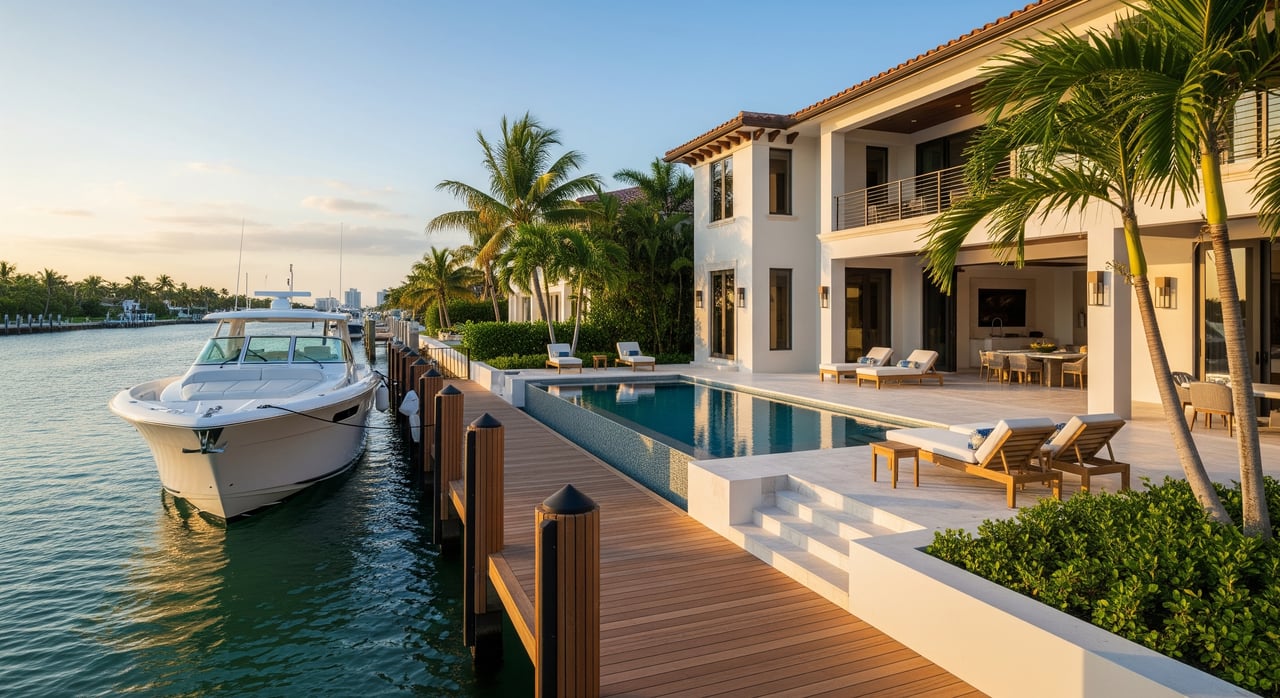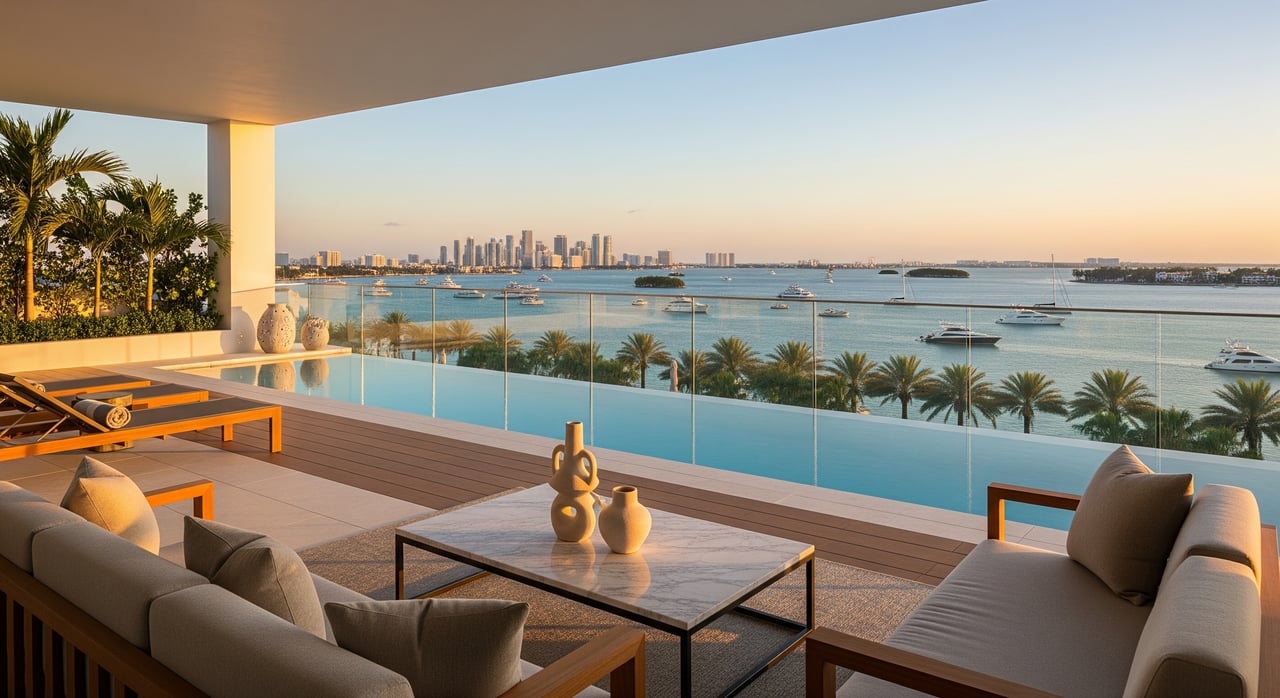
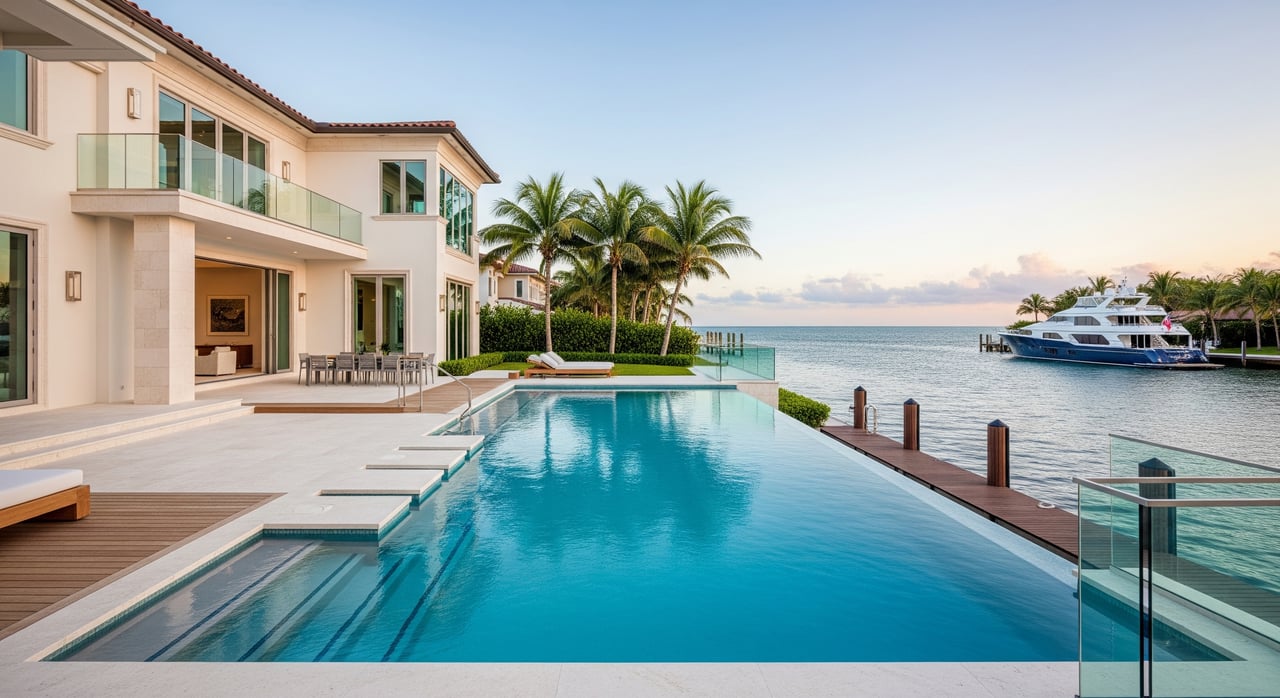
Have you ever imagined stepping from your private beach straight to your own dock, all without leaving your property? If you are exploring Manalapan, you will hear the term “ocean-to-lake” again and again, and for good reason. These estates are rare, highly sought after, and uniquely South Florida. In this guide, you will learn what ocean-to-lake means in Manalapan, why these parcels command a premium, the lifestyle they unlock, and the practical due diligence you should start early. Let’s dive in.
What “ocean-to-lake” means in Manalapan
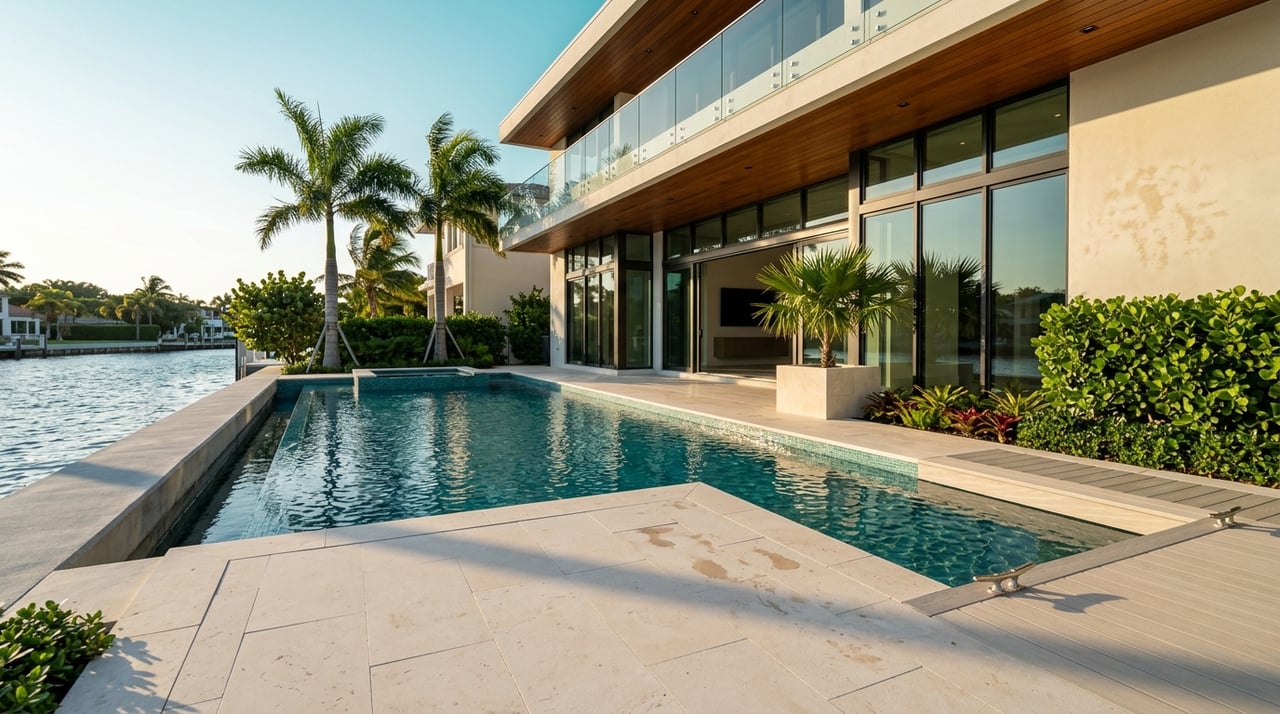
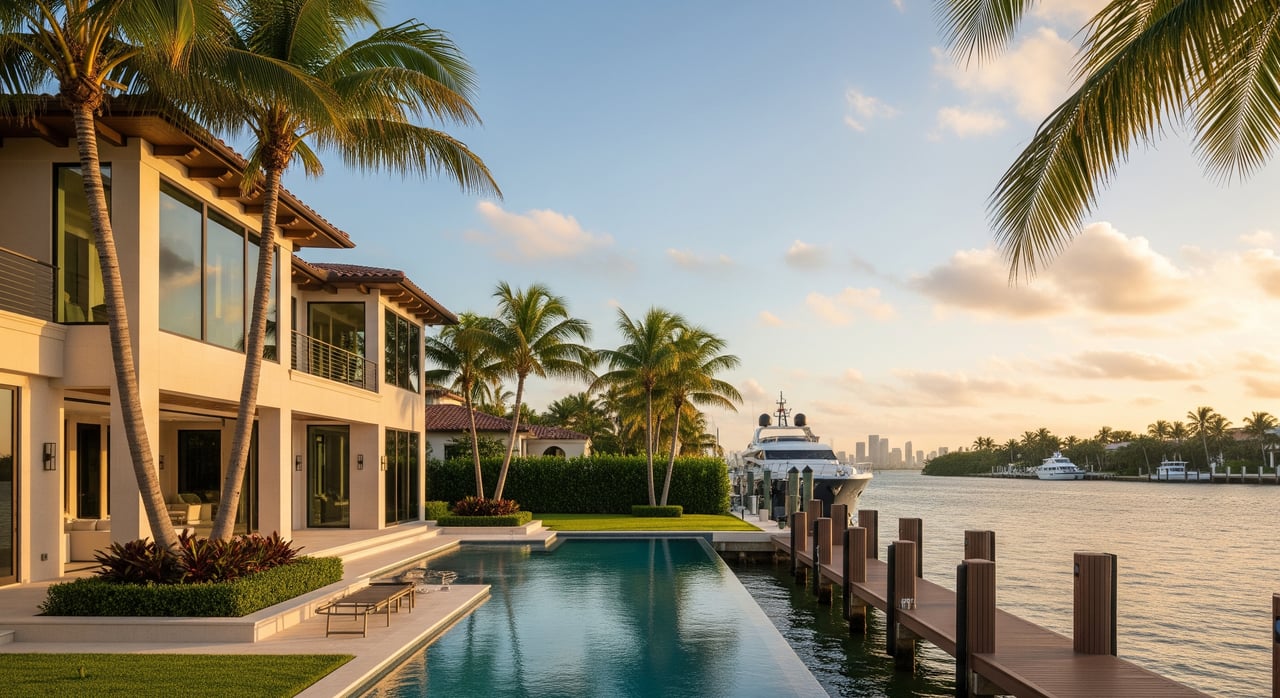
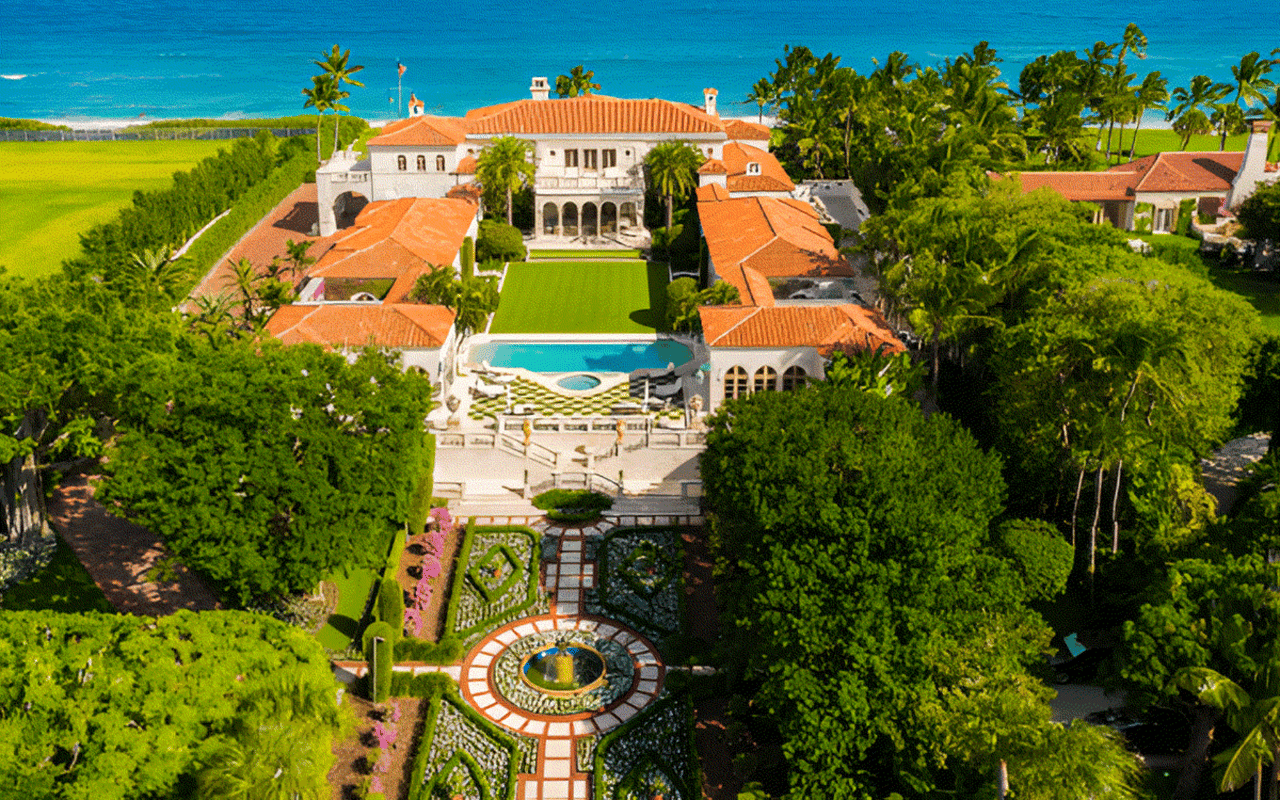
An ocean-to-lake estate in Manalapan is a single parcel that stretches from the Atlantic Ocean on the east side to the Intracoastal Waterway on the west side. Locally, the Intracoastal is part of the Lake Worth Lagoon, which provides calmer waters for docking and boating. With these lots, you have private ocean beachfront and intracoastal frontage on the same property.
Because Manalapan sits on a narrow barrier island, only a small share of parcels span the full width from ocean to intracoastal. When a property has this full dual-frontage, it means the lot is wide and deep enough to deliver both private beach access and private dockage. To confirm boundaries on any specific lot, you should review current plat maps, surveys, and municipal records.
Why these estates are rare
Manalapan’s geography drives the scarcity. The town is a narrow strip of land between the Atlantic and the Lake Worth Lagoon. Only certain larger lots extend across both shorelines, which is why ocean-to-lake estates are limited.
Creation of new ocean-to-lake parcels is effectively constrained by existing development and coastal rules. Not every dual-front lot is ideal for docking either, which makes the most functional sites even rarer. This combination of physical and functional scarcity, plus the lifestyle and privacy these properties offer, explains the consistent premium you see in this niche.
Lifestyle and amenities you can expect
Ocean-to-lake living blends the best of two worlds: direct beachfront on the Atlantic and a protected waterway on the intracoastal side.
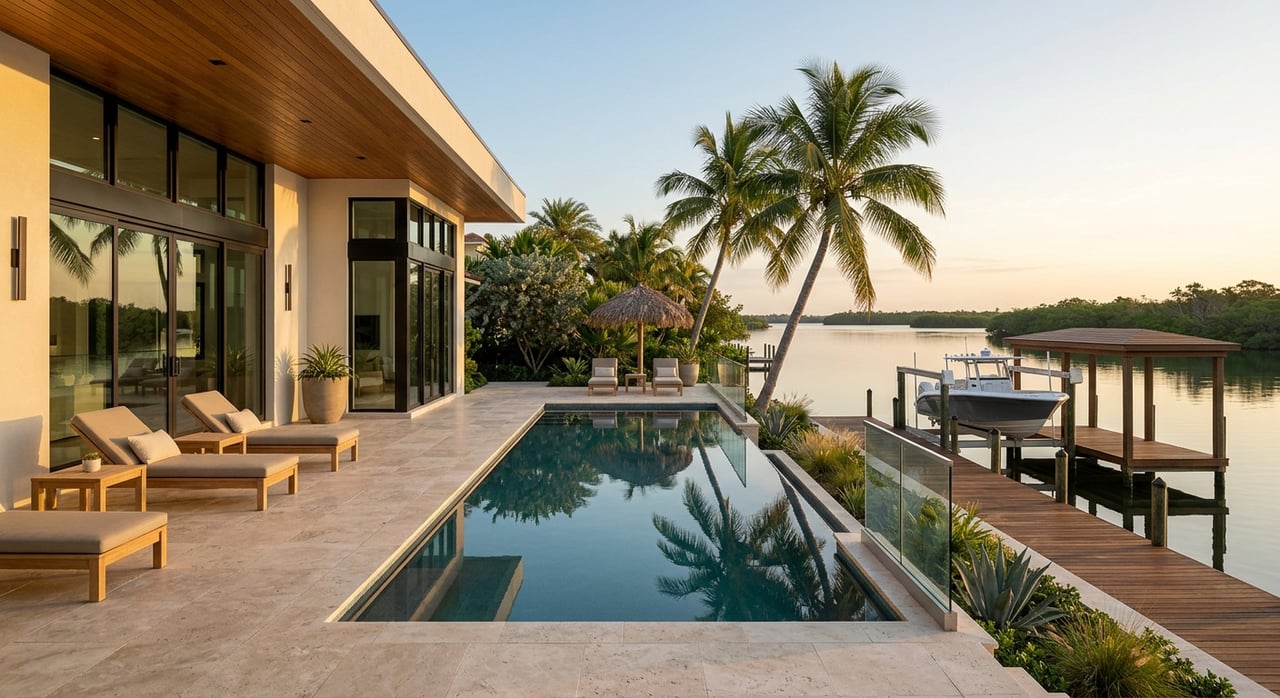
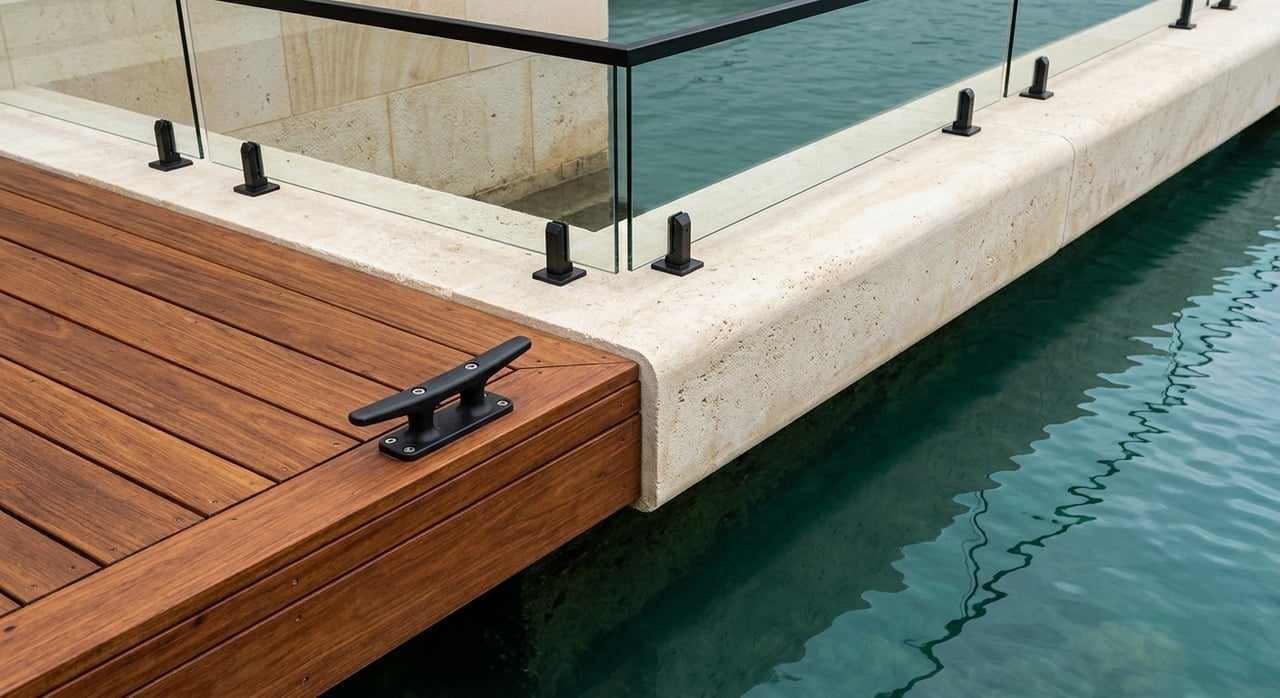
- Dual frontage means you can enjoy private beach access for swimming and sunbathing, then return to a dock that accommodates your boat, subject to depth and permitting.
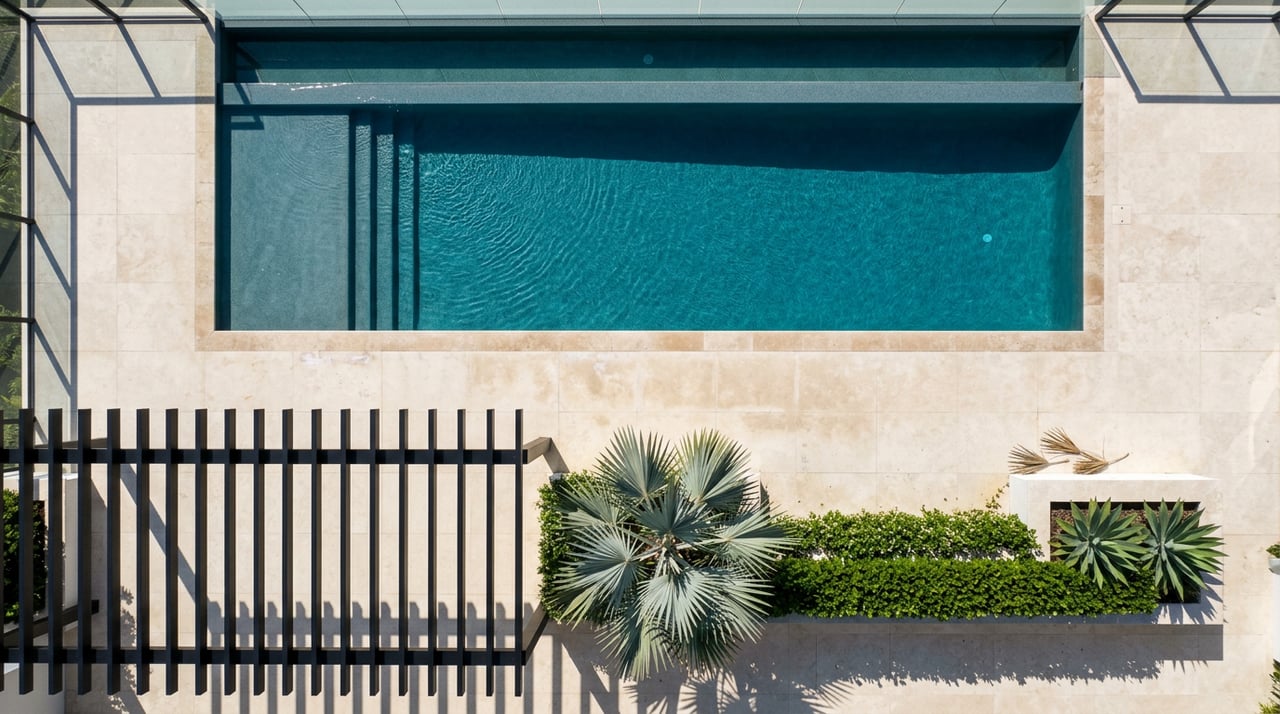
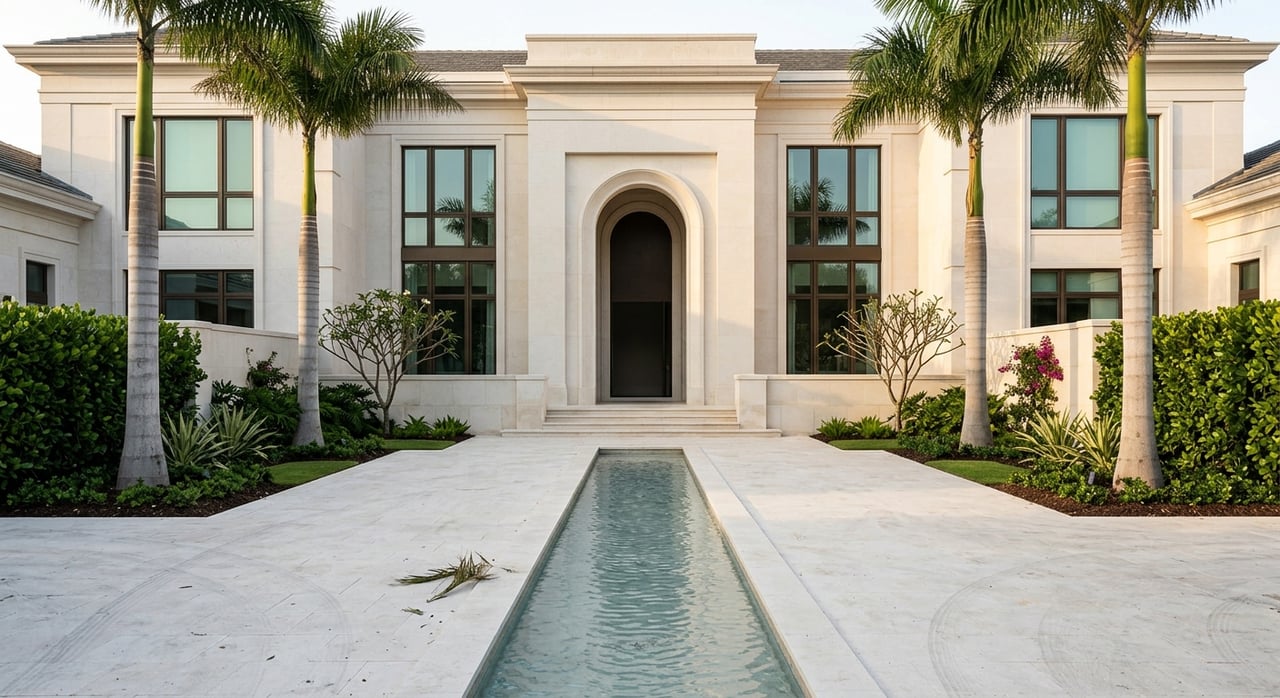
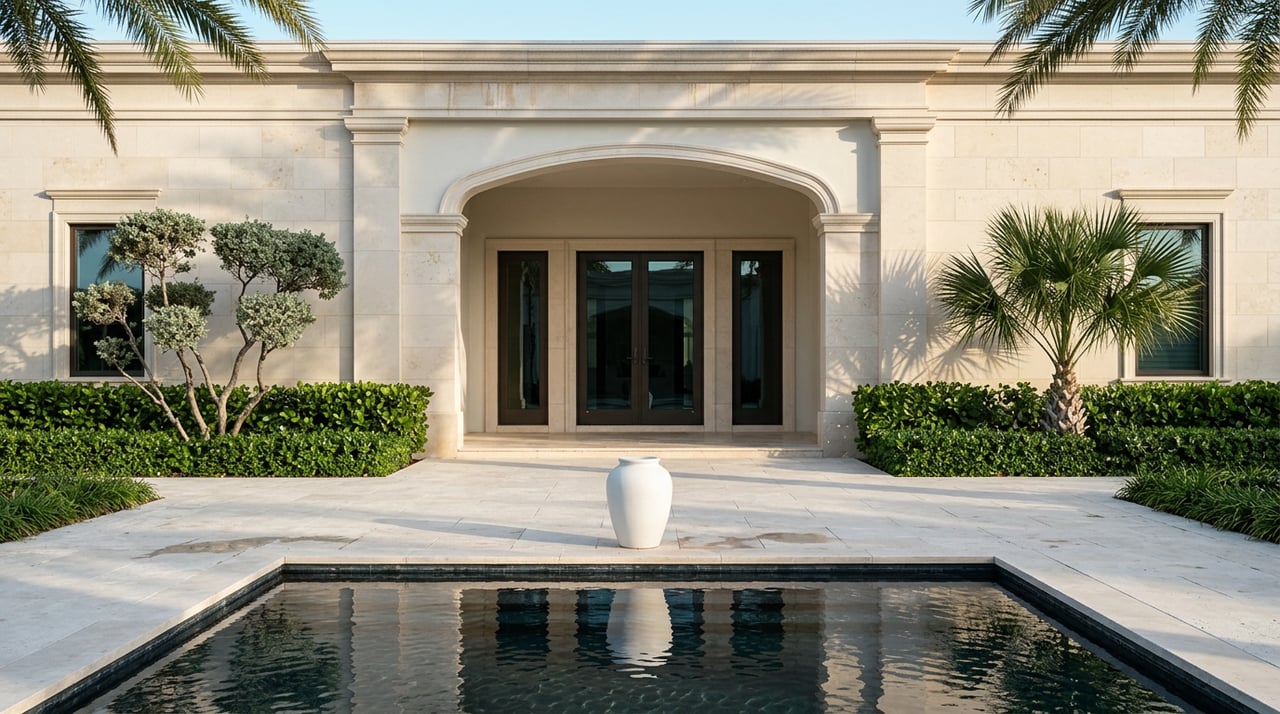
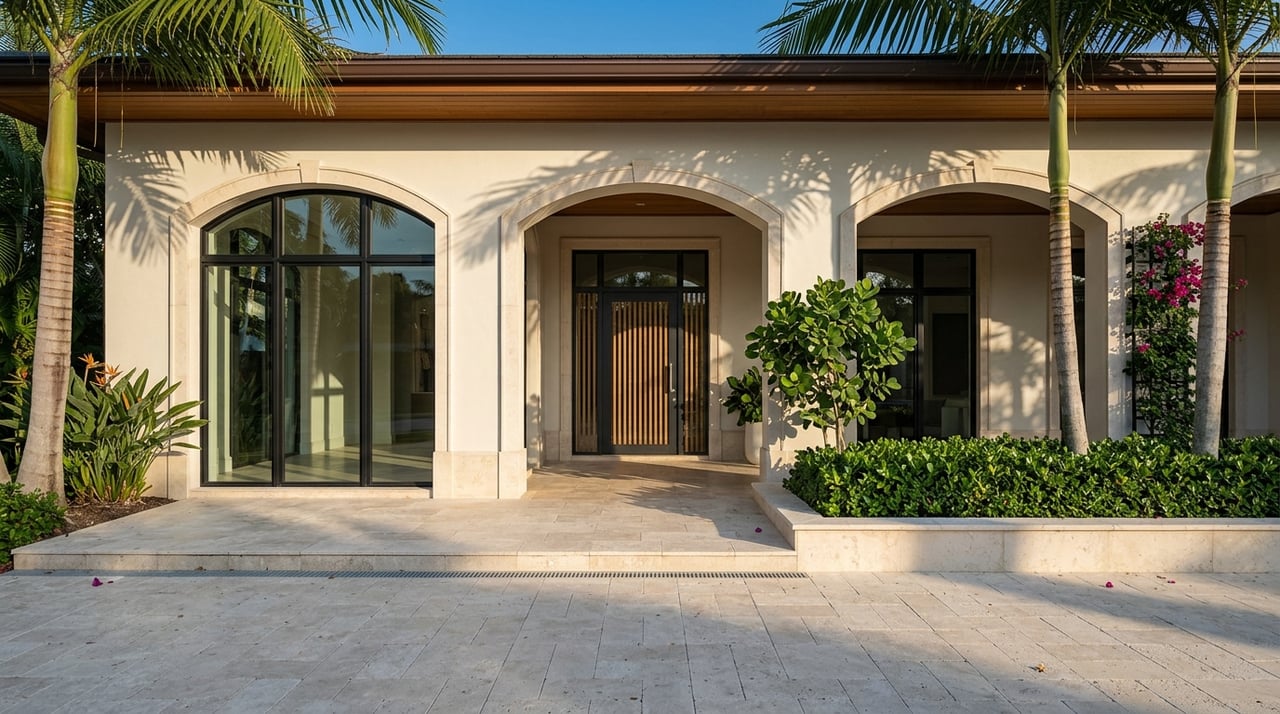
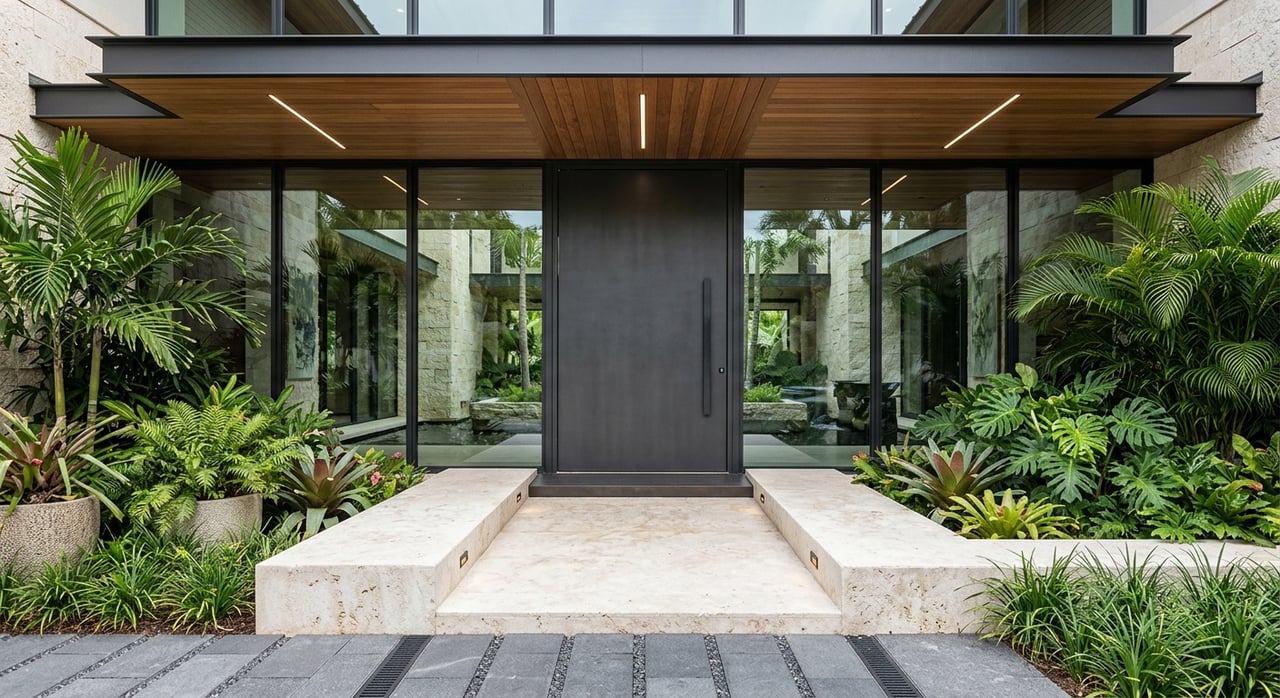
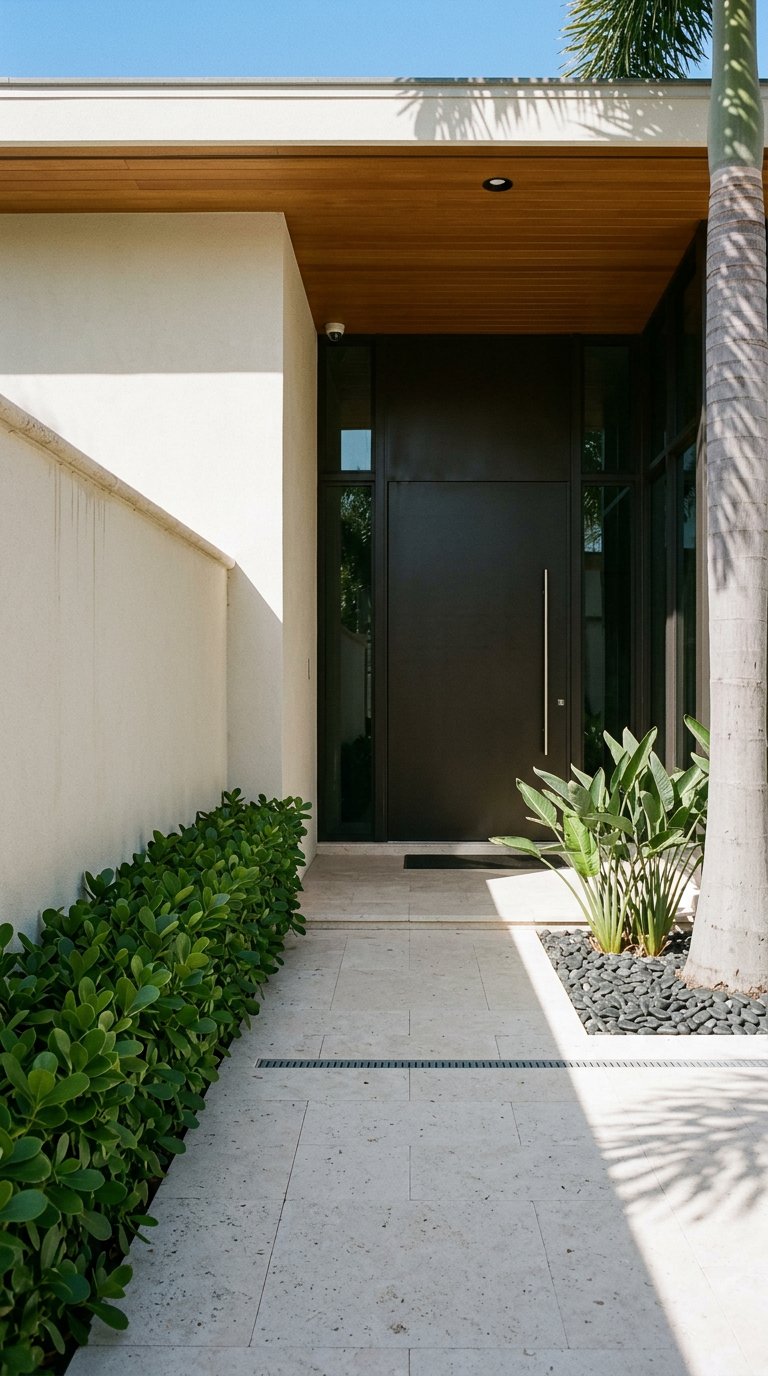
- Large estate footprints often include a main residence, guest structures, pool, and landscaped paths to the beach. Long driveways, walls, and mature vegetation are common for privacy.
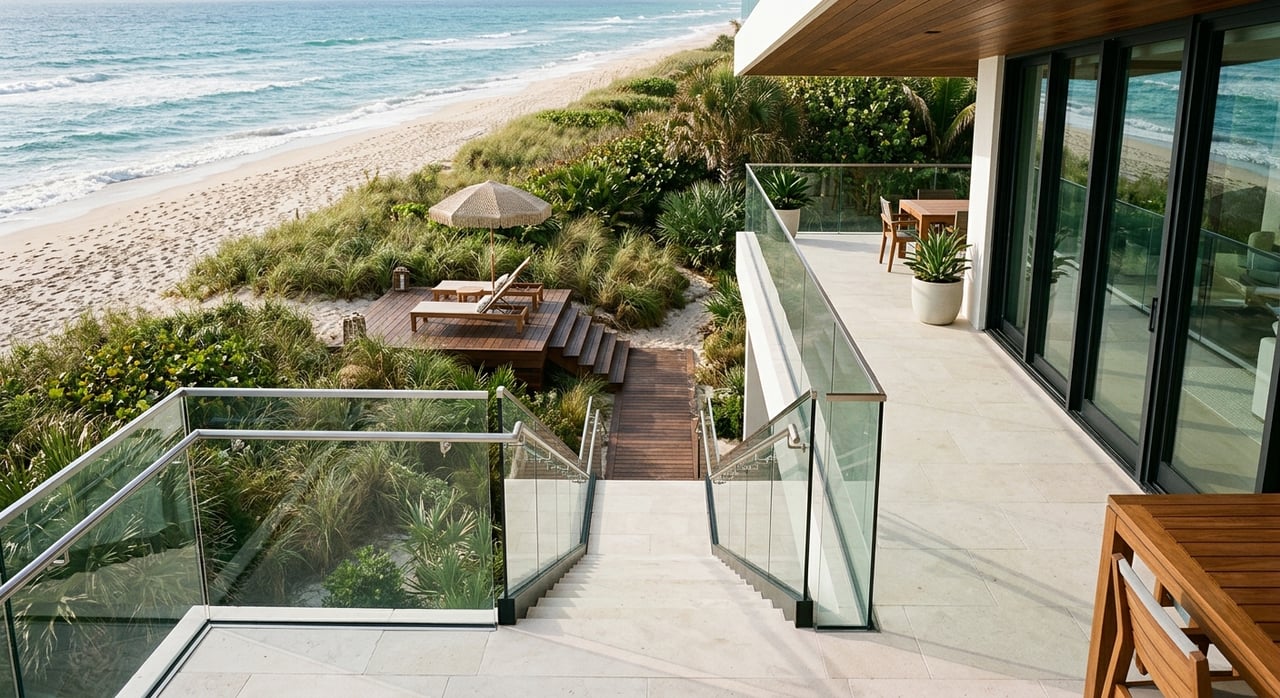
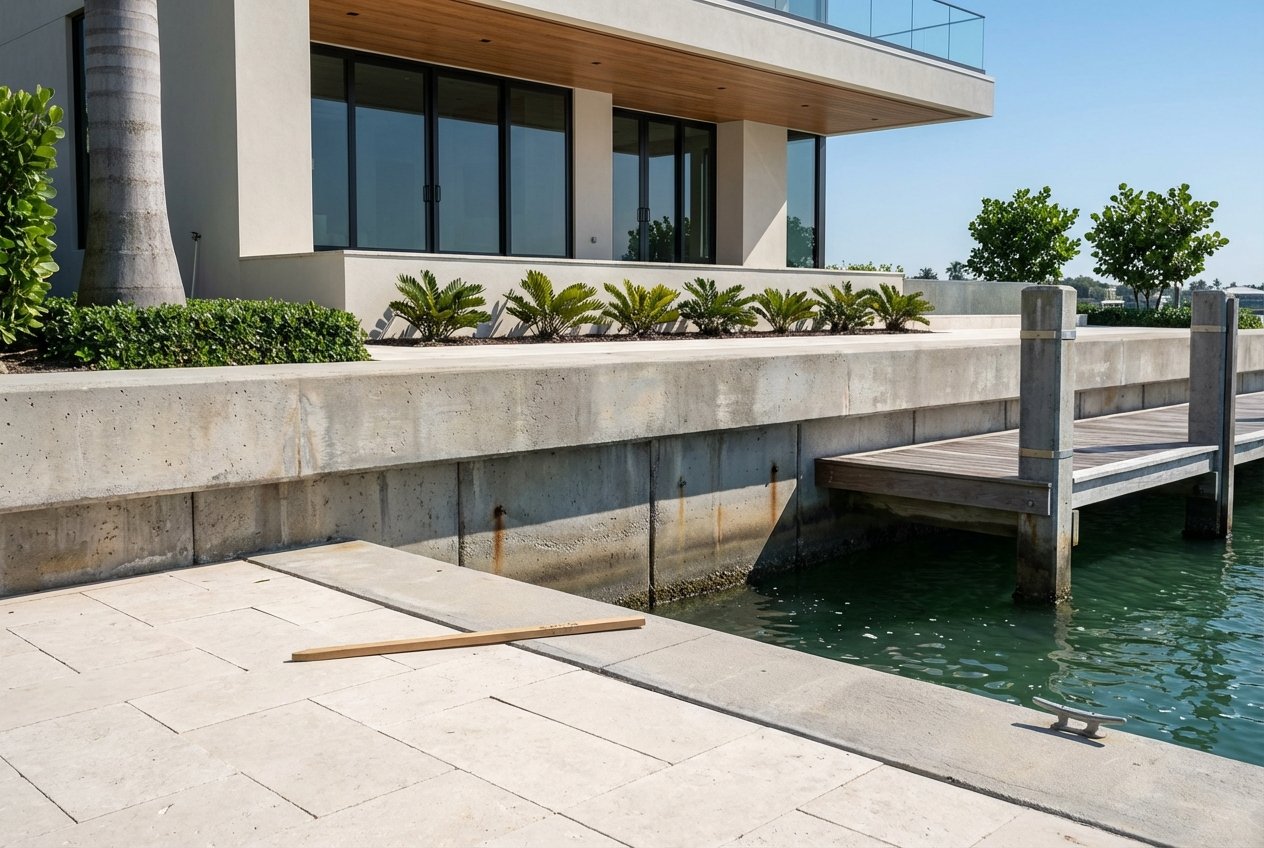
- Coastal protective features can include dune systems, seawalls, dune crossovers, and beach stairs. These elements are both functional and part of the property’s design language.
Boating and navigational access
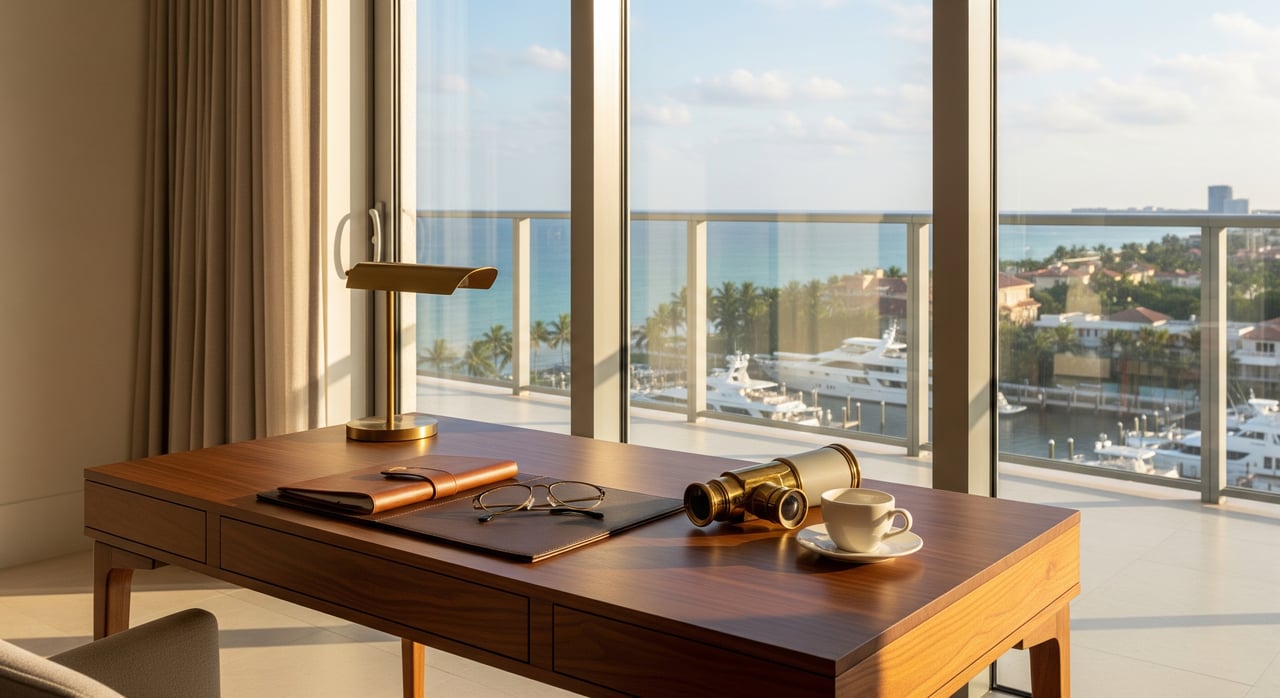
From the intracoastal side, you can reach the Lake Worth Inlet for access to the open Atlantic. The route and timing depend on your exact location, channel maintenance, and your vessel. You should confirm dock suitability, water depths, and bridge clearances before you buy.
Privacy and security
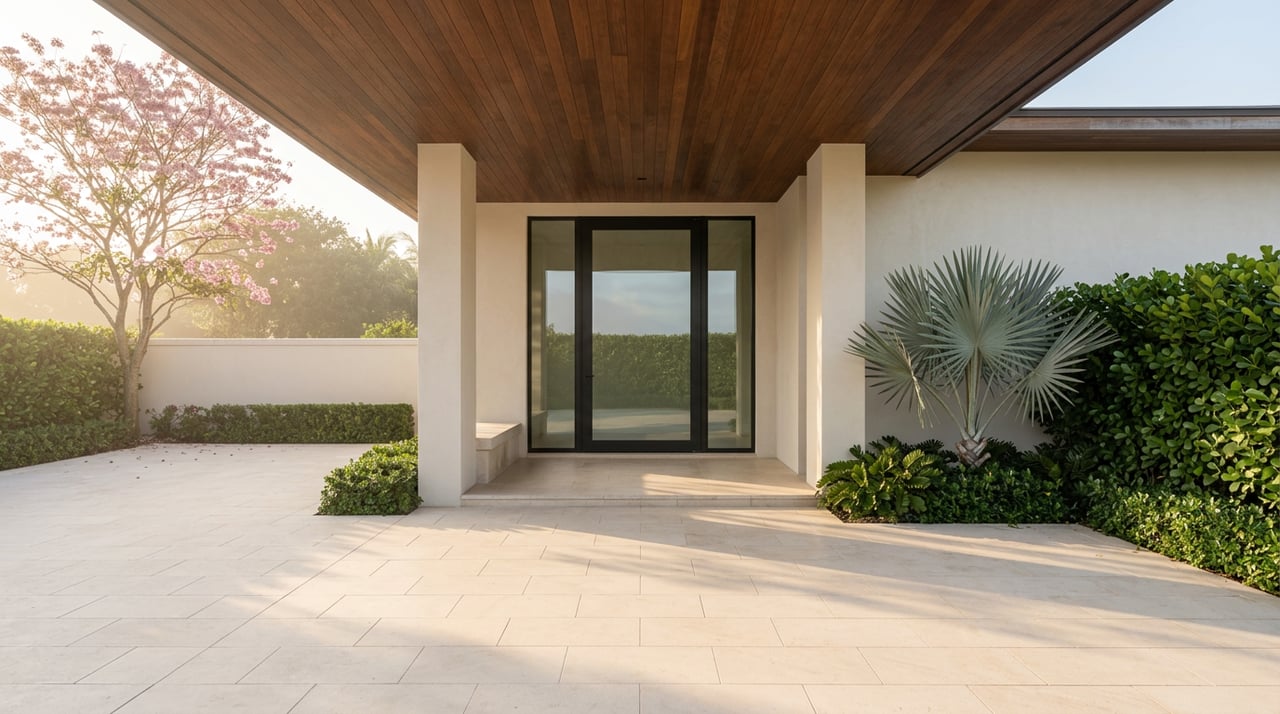
Because these parcels often include gated entries, tall landscaping, and longer setbacks, the experience can feel secluded compared with many standard waterfront properties. You get a sense of retreat while staying close to the broader Palm Beach County coastline.
Outdoor living and design
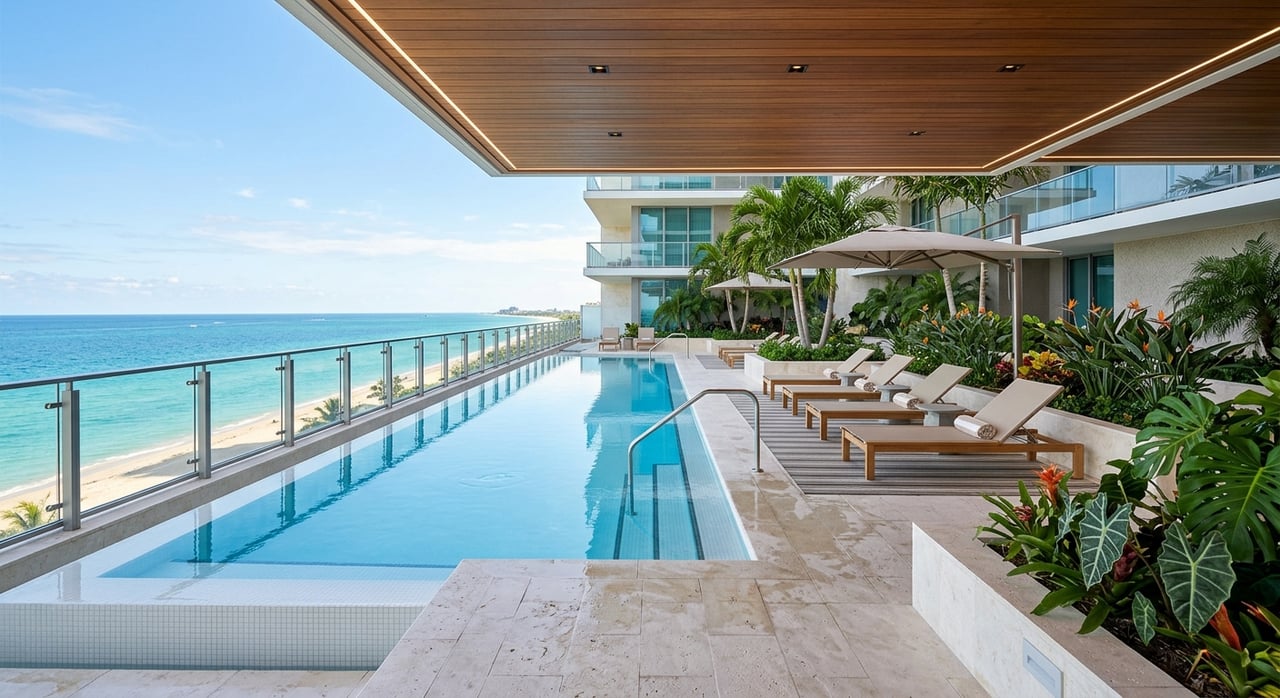
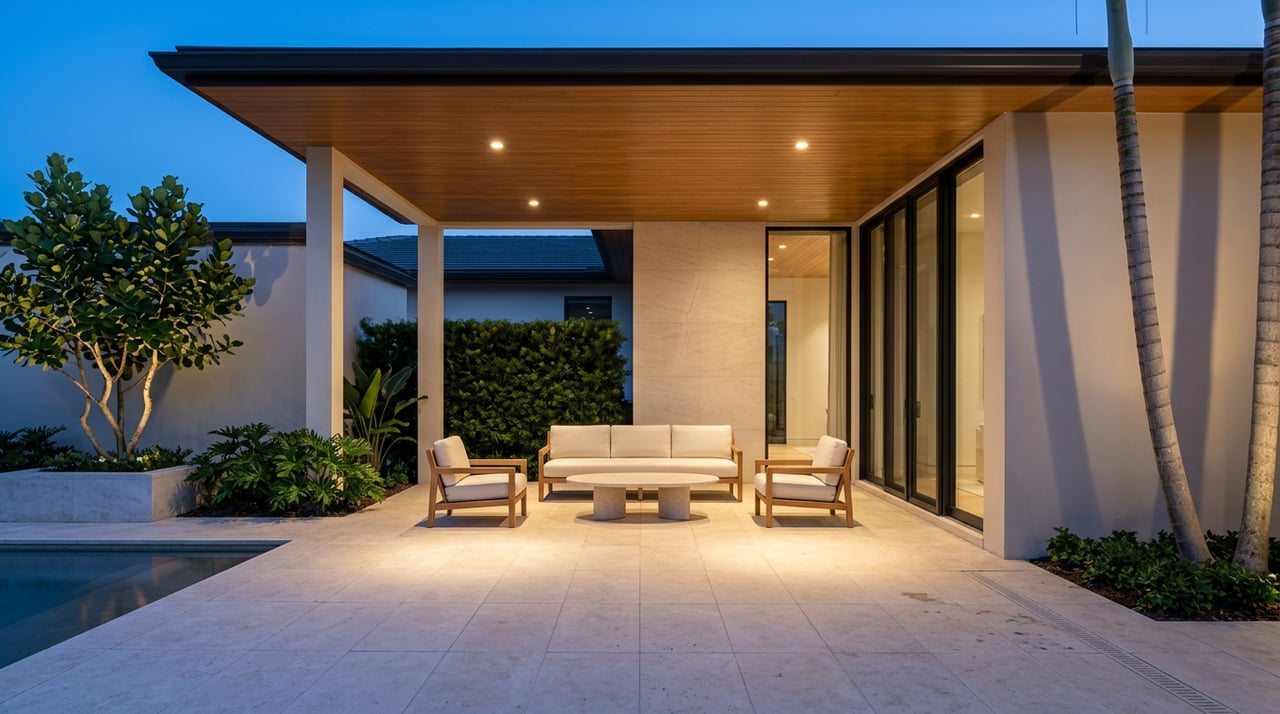
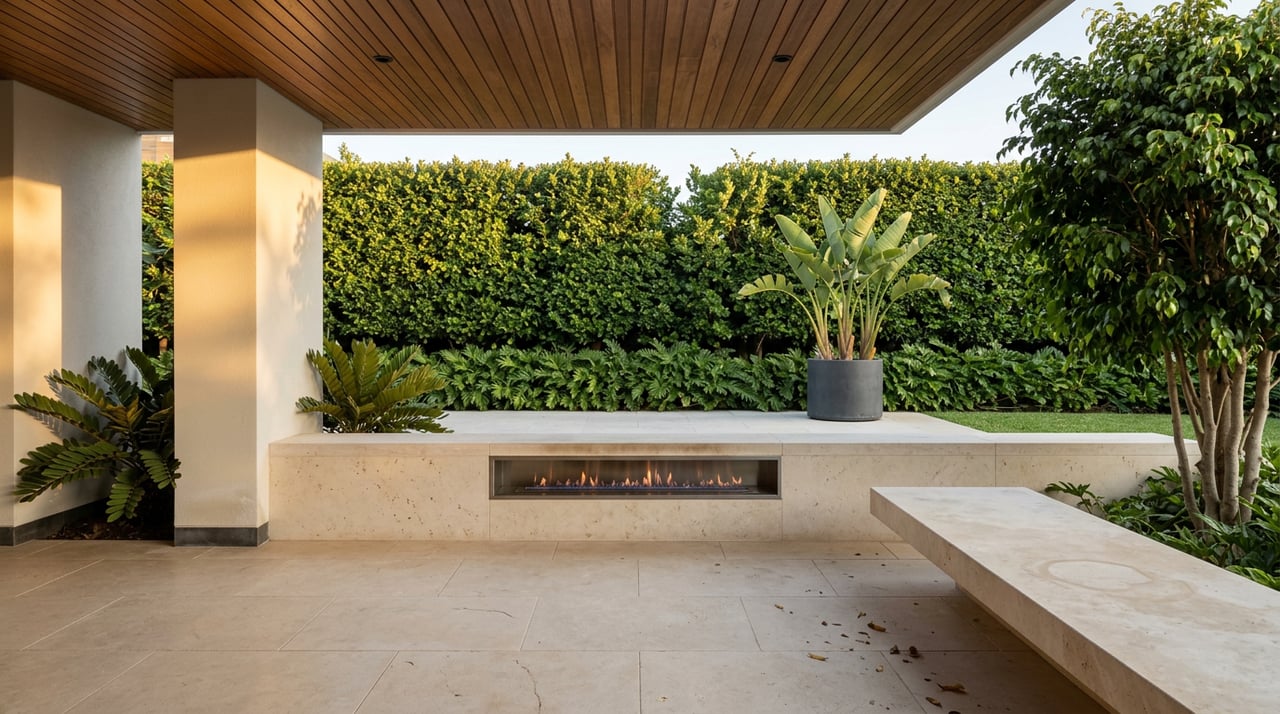
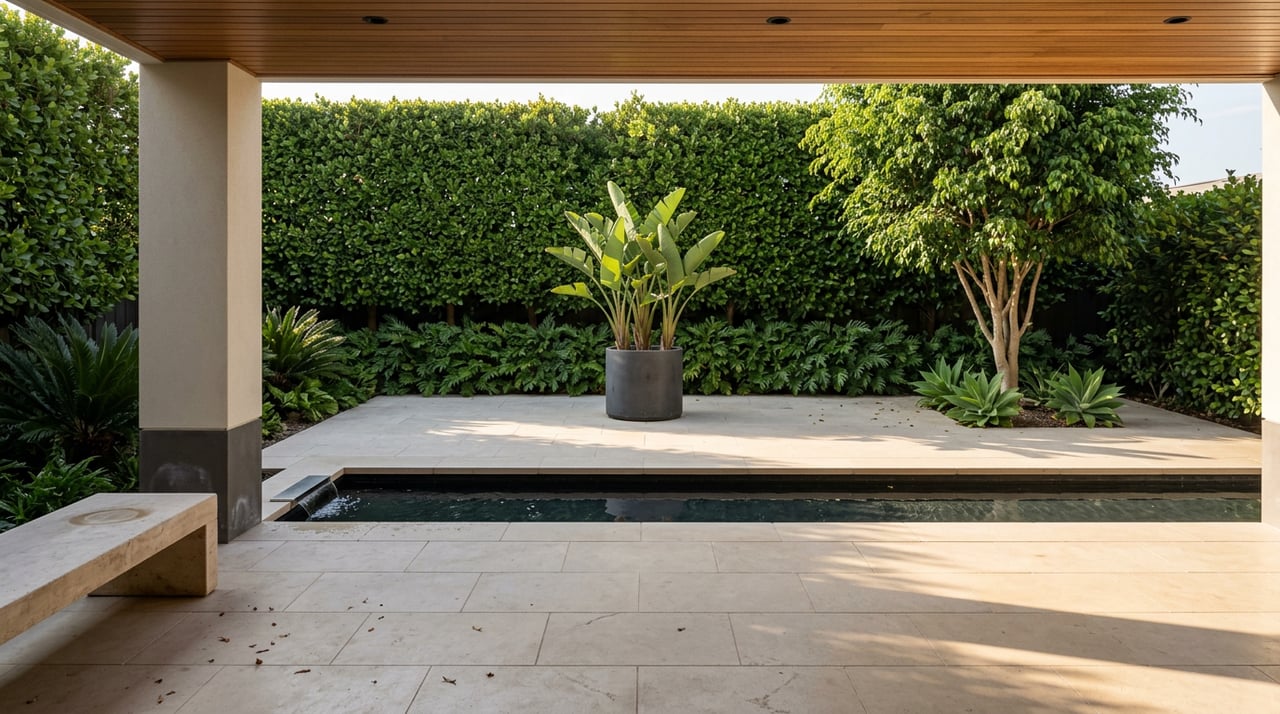
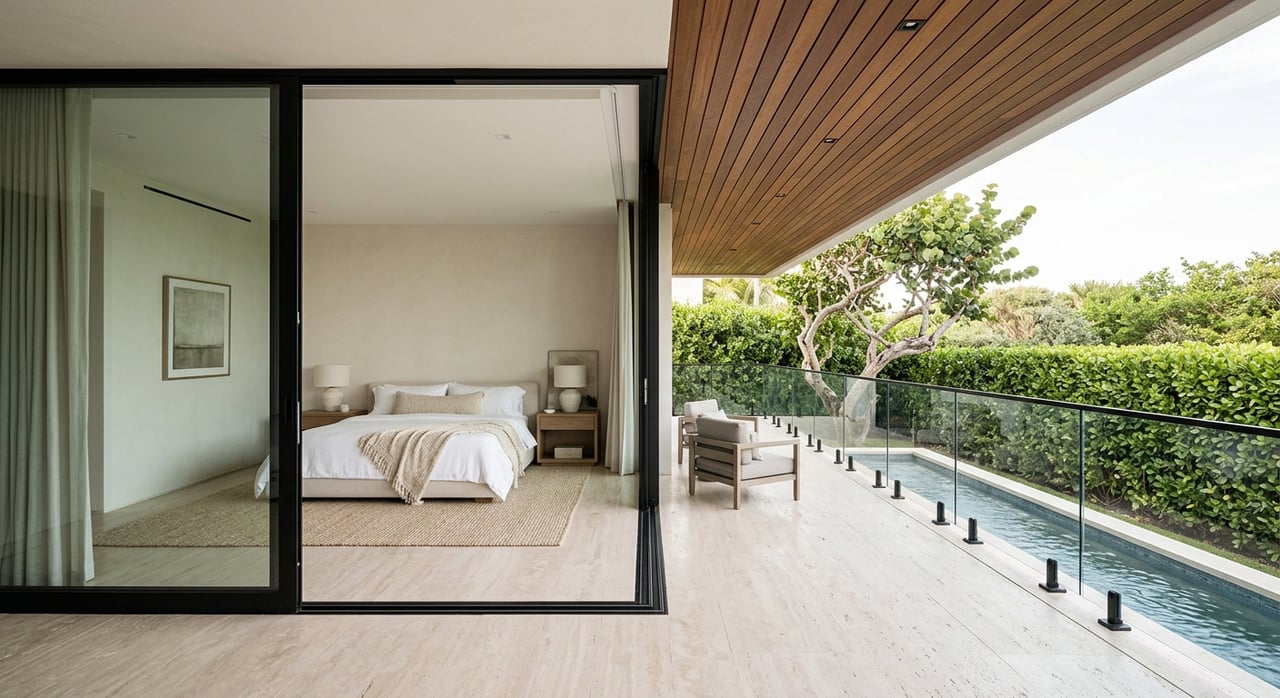
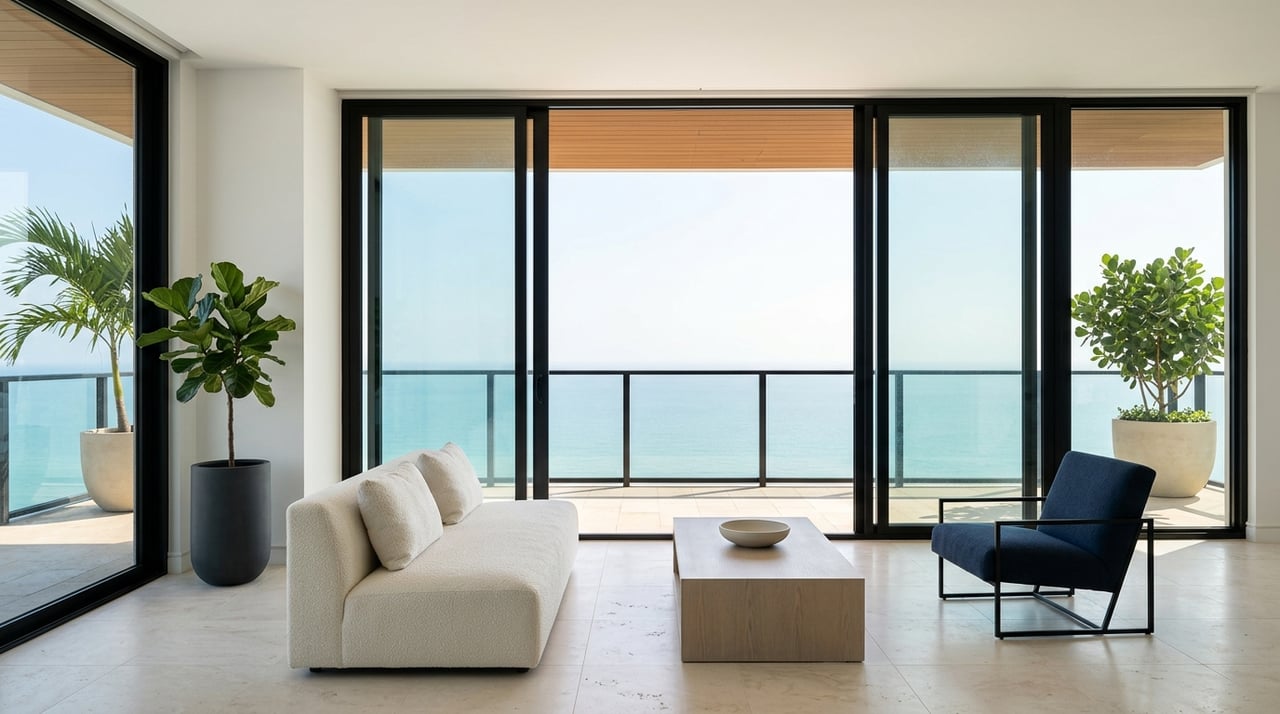
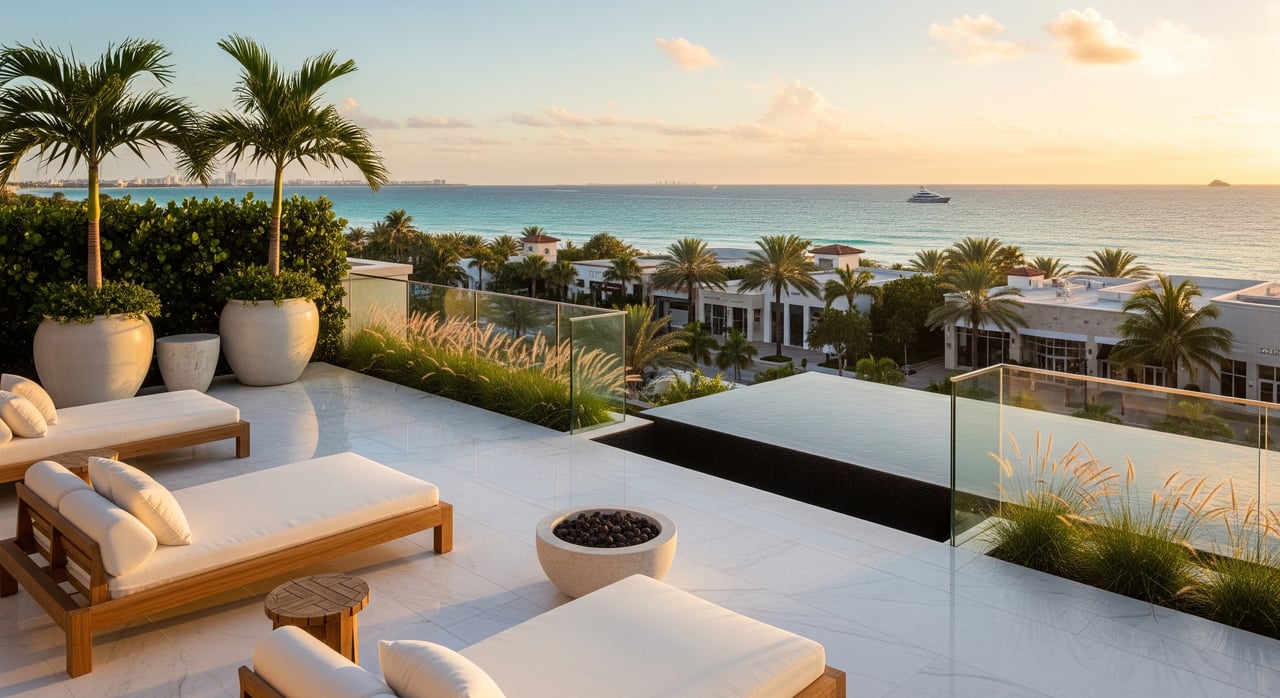
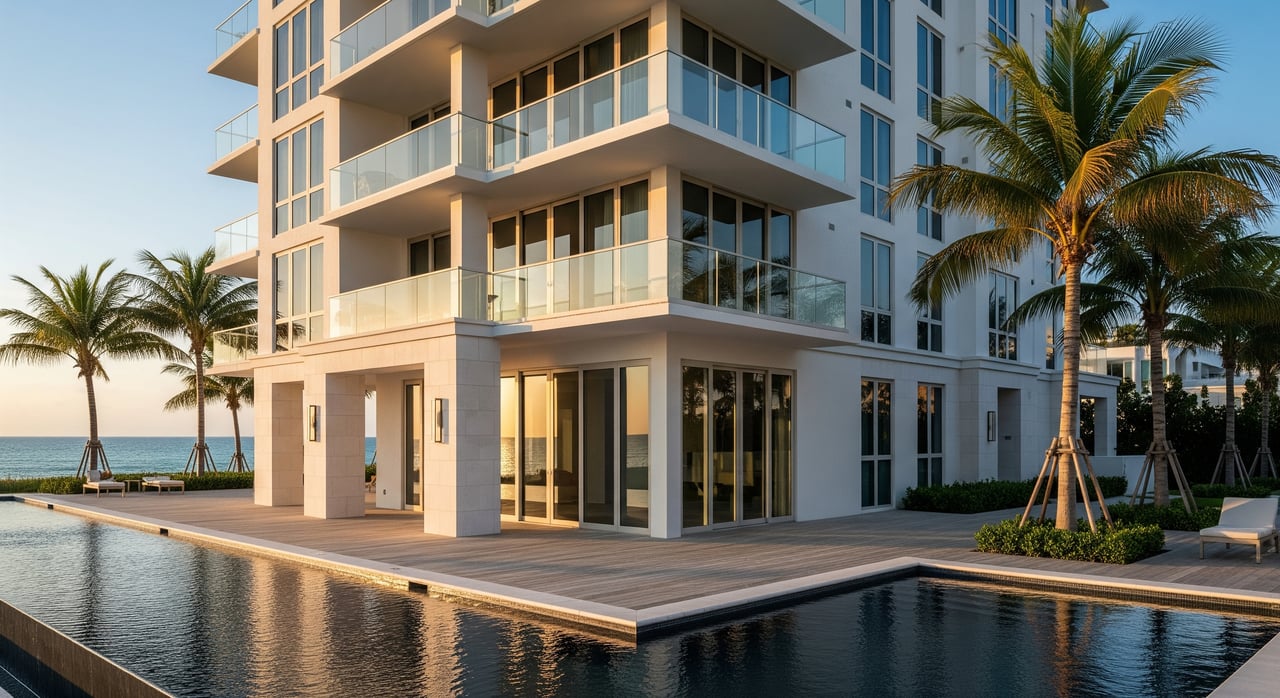
Expect terraces, pool decks, and covered lounges oriented to both sunrise over the ocean and sunset over the lagoon. Many owners design outdoor kitchens and cabanas to capture breezes on either shoreline. The dual orientation is part of the daily rhythm of ocean-to-lake living.
Key nautical considerations before you buy
If boating is part of your lifestyle, do not skip these early checks:
- Dock capacity and layout. Confirm the slip length, dock width, and the possibility of boat lifts or walkways. Make sure the configuration fits your current vessel and any plans to upgrade.
- Depth and tides. Verify depths at the dock across the tidal range and check the proximity to maintained channels. Channel dredging schedules can influence long-term access.
- Bridge clearances. Identify all fixed bridges on the route to the inlet and confirm your vessel’s height. Clearance can be a go or no-go factor.
- Permitting. Dock size and type are regulated at multiple levels. You should review authorizations and any submerged land leases early in the process.
Permits, regulations, and compliance
Ocean-to-lake estates can involve multiple layers of permits and oversight. Plan time for diligence and expect a coordinated effort among agencies.
- Dock and seawall work. Modifications typically involve state, federal, and local approvals. In Florida, that often includes the Florida Department of Environmental Protection, the U.S. Army Corps of Engineers for work in navigable waters, Palm Beach County, and the Town of Manalapan.
- Submerged lands. Florida controls many submerged lands and may require leases or specific authorizations for docks and certain structures.
- Coastal construction codes. Properties in high-velocity hurricane zones must meet Florida Building Code requirements for wind, elevation, and openings protection. If you plan a major renovation or redevelopment, you will want to understand these standards up front.
Environmental factors to evaluate
Barrier islands are dynamic environments, so balancing coastal living with stewardship is important.
- Dune protection and setbacks. Dunes and vegetation protect the shoreline. Setbacks and protective rules can limit where you place structures and lighting.
- Beach renourishment and erosion. Shorelines change over time. Periodic renourishment projects, storm events, and sea-level trends all influence long-term stability.
- Wildlife and lighting. Sea turtle nesting seasons often come with lighting restrictions and setback guidance. You should confirm any conservation overlays or special conditions for your parcel.
Insurance, flood, and wind: plan ahead
Ocean-to-lake estates are typically in high-risk coastal flood zones. If you are financing with a federally backed mortgage, flood insurance is usually required when the property is in a FEMA Special Flood Hazard Area. Premiums can be higher in these locations.
- Flood insurance. Obtain the FEMA flood-zone designation and base flood elevation early, and secure an elevation certificate if available. Elevation and mitigation features can affect rates.
- Windstorm coverage. Expect wind or hurricane policies tailored to coastal risks, plus specific wind mitigation requirements. Insurer availability and premiums in South Florida can vary over time.
- Claims history. Ask for any known historic flood or storm damage claims. This helps you anticipate maintenance needs and future costs.
Market dynamics and value drivers
You will find that ocean-to-lake estates sit at the top of the local luxury segment because they combine two scarce assets on one parcel. The value is driven by lot width and depth, private ocean frontage, intracoastal dockage potential, and redevelopment possibilities.
- Scarcity and status. Very few lots achieve full dual frontage, and creation of new parcels is constrained. This scarcity supports long-term desirability among high-net-worth buyers.
- Functionality. Not all dual-front lots are equal. Deep-water access, bridge clearance, and dock capacity can influence both daily use and resale value.
- Carrying costs and risk. Coastal properties require ongoing investment in seawalls, docks, and dune management. Insurance and property taxes are part of the financial equation. Liquidity in the ultra-luxury niche is generally strong, but broader market cycles can affect timing and pricing.
Buyer due diligence checklist
Start your evaluation with a structured checklist. It will save time and reduce surprises later.
Parcel and title
- Obtain the recorded legal description and a current plat or survey that shows both ocean and intracoastal boundaries.
- Run a title search for easements, encumbrances, or any recorded public access rights.
- Confirm riparian and littoral rights and any limitations on exclusive beach use.
Physical and structural condition
- Order a full structural inspection of the residence, seawall, and dock.
- Commission a marine survey for dock and lift condition and berth suitability.
- Engage a seawall engineer to assess age, materials, movement, and repair needs.
Flood, elevation, and insurance
- Verify FEMA flood-zone status and base flood elevation, and request an elevation certificate.
- Get early quotes for flood and wind insurance from local specialists.
- Ask about any known historic flood or storm damage claims.
Permits and compliance
- Review building and dock permit history with Palm Beach County and the Town of Manalapan.
- Check for outstanding code violations or required coastal retrofits.
- Confirm any submerged-land leases or dock authorizations.
Environmental and coastal constraints
- Identify conservation easements, dune protection zones, and wildlife protections.
- Understand current or planned beach renourishment and dredging projects nearby.
Nautical viability
- Confirm navigable depths across the tidal range at the dock.
- Map out bridge clearances and seasonal restrictions en route to the inlet.
Neighborhood and access
- Review local rules for privacy structures, gates, and security features.
- Confirm access for emergency services and proximity to marinas or shipyards for larger boats.
Financials and taxes
- Review current property tax assessments and recent trends.
- Budget for seawall, dock, dune management, landscaping, and insurance.
Your advisory team
- Engage a coastal real estate specialist, marine surveyor, coastal engineer, title company with waterfront experience, an insurance broker familiar with coastal dwellings, and a local permitting specialist or attorney.
Who these homes fit
Ocean-to-lake estates in Manalapan resonate with primary or second-home buyers who value privacy, security, and immediate access to both beach and boating. Many buyers are domestic or international residents who want a turnkey waterfront lifestyle and the ability to customize an estate over time. If you prize exclusivity and seamless access to the Atlantic and the Intracoastal, this niche is tailored to you.
Your next steps
If you are early in your search, begin with a clear brief: preferred lot width, target dock capacity, tolerance for renovation, and your budget for carrying costs. From there, you can focus on parcels that align with your lifestyle and risk profile. A coordinated team can help you verify surveys, permits, dock rights, insurance, and environmental constraints before you make a decision.
If you want a discreet, hospitality-level process and guidance across select South Florida coastal enclaves, connect with a boutique specialist who can coordinate inspectors, marine pros, and local permitting while keeping your timeline on track. For personalized support, schedule time with Marine Rollins to discuss your goals and next steps.
FAQs
What is an ocean-to-lake estate in Manalapan?
- An ocean-to-lake estate is a single property that extends from the Atlantic Ocean to the Intracoastal Waterway, offering private beachfront and intracoastal frontage on the same lot.
Why are Manalapan ocean-to-lake lots so rare?
- Manalapan sits on a narrow barrier island, and only certain parcels span the full width with both frontages, which makes these properties physically and functionally scarce.
Can I build any size dock on the intracoastal side?
- Dock size and type are regulated by state, federal, county, and local agencies, and submerged land authorizations may apply, so you should seek pre-approval before planning changes.
Do I own the beach in front of my property?
- In Florida the public generally has access to the wet sand seaward of the mean high-water line, while ownership of dry sand varies by parcel and survey, so verify rights with title and a coastal surveyor.
Are these properties safer from storms because they have dual frontage?
- Dual frontage does not reduce storm-surge exposure since risk can come from both the ocean and the intracoastal, although elevation and hardening features can help reduce vulnerability.
What insurance should I budget for on an ocean-to-lake property?
- Expect flood insurance if in a FEMA Special Flood Hazard Area, plus wind or hurricane coverage, with premiums influenced by elevation, mitigation features, and insurer availability.
How do these estates compare in value to single-frontage homes?
- Premiums vary by parcel, condition, and market cycle, but rarity, lot size, and amenities support substantially higher values than typical single-frontage coastal properties.