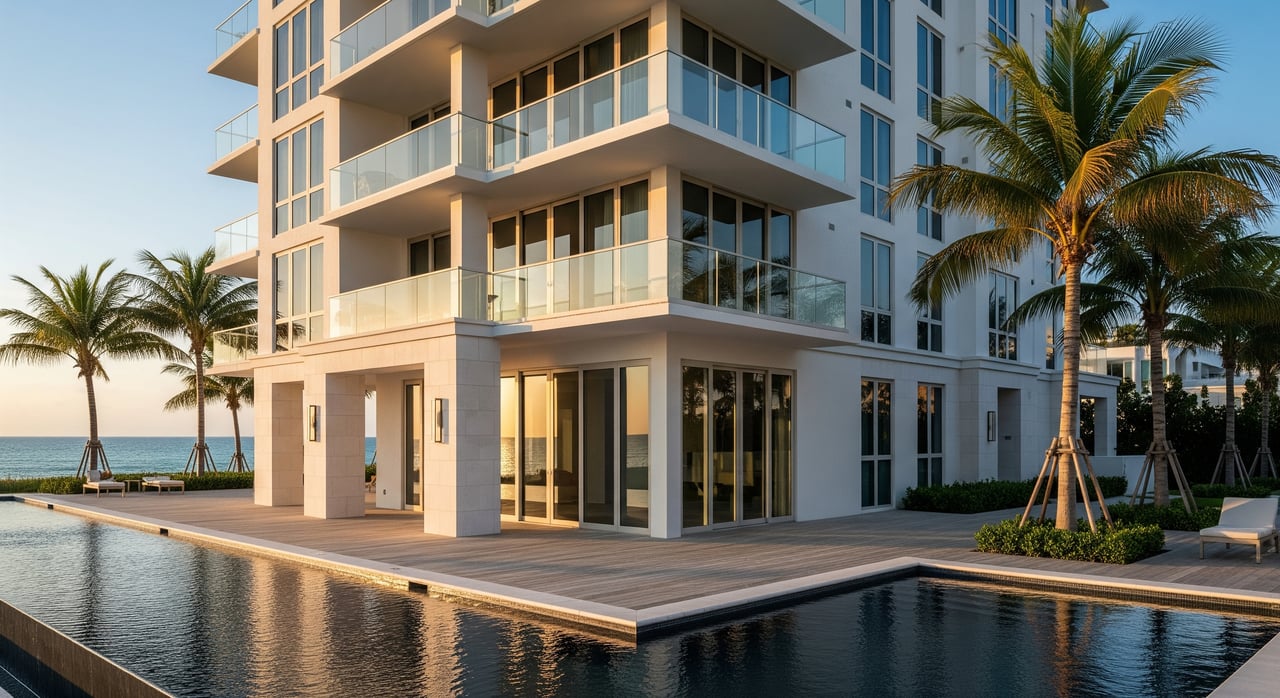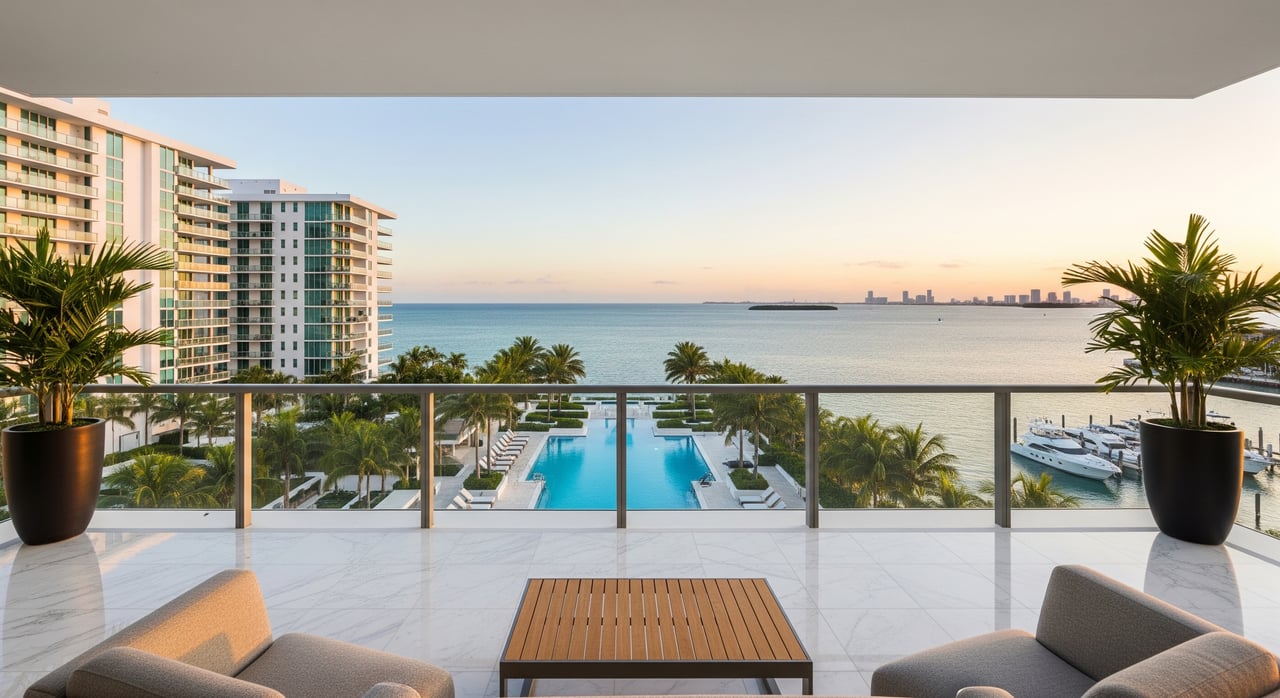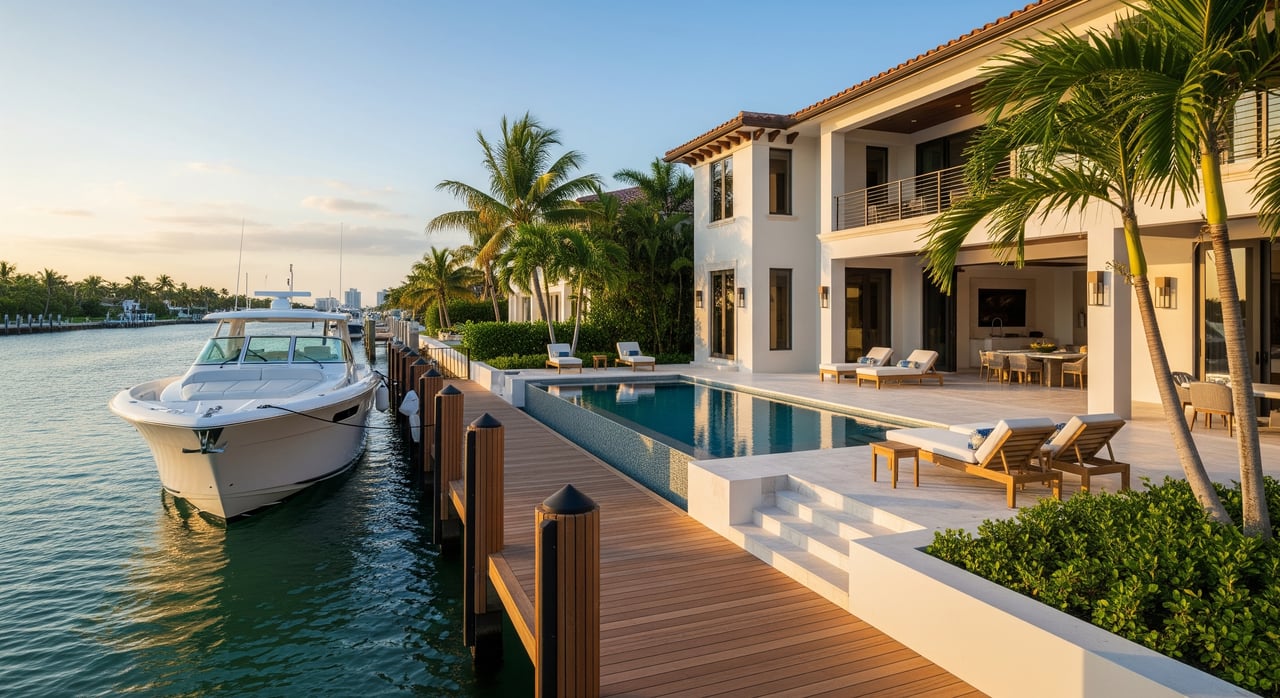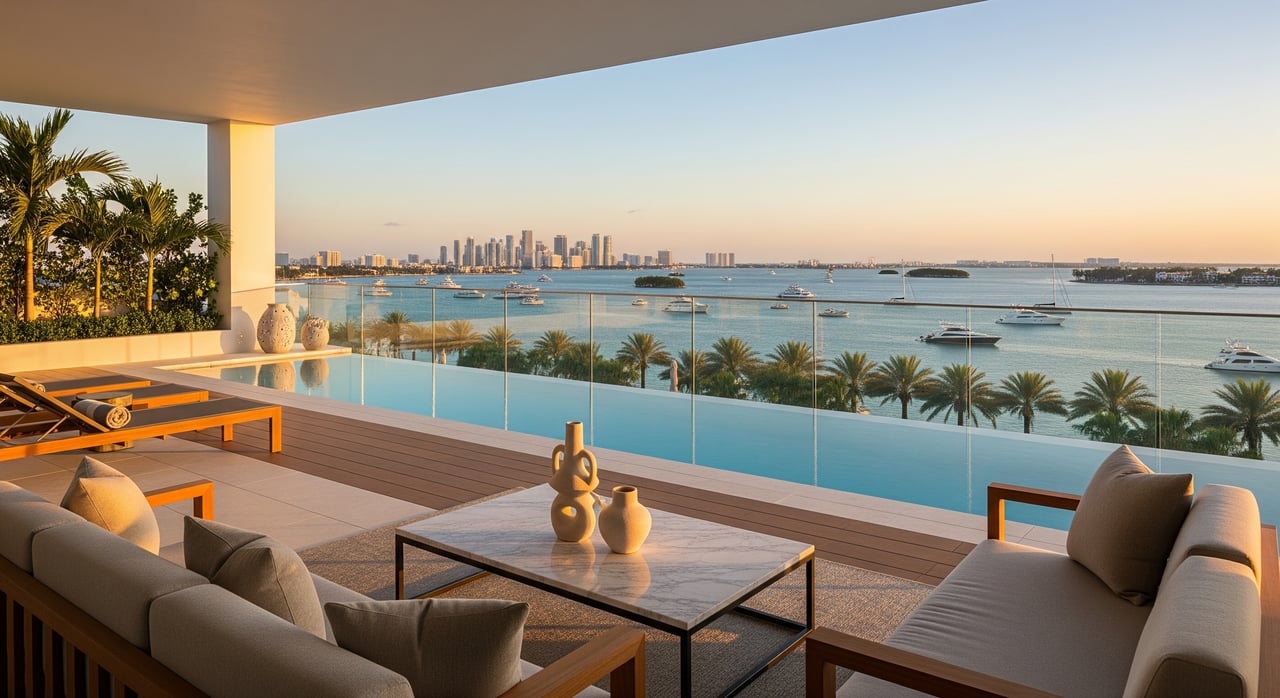
Trying to secure a seasonal rental in Bal Harbour can feel simple at first glance. You see beautiful furnished condos, polished amenities, and eye-catching monthly rates, but the real story is in the lease terms, building rules, approval timelines, and taxes. If you want a smooth move, it helps to understand how Bal Harbour’s rental market actually works before you start applying. Let’s dive in.
What seasonal rental means in Bal Harbour
In Bal Harbour, a seasonal rental usually looks more like a furnished condominium lease than a classic vacation rental. According to Miami-Dade County’s short-term rental guidance, a short-term vacation rental is a dwelling rented for less than 30 days or one calendar month, whichever is less.
That distinction matters because rentals under 30 days fall into a stricter regulatory category. The county also notes that rentals of living quarters for six months or less are treated as transient rentals for tax purposes, while stays longer than six months under a bona fide written lease are generally exempt from transient-rental taxes.
In practical terms, many Bal Harbour renters are looking at furnished condo stays that last a season, several months, or part of the year. Inventory exists, with Apartments.com showing furnished rentals in Bal Harbour, but actual availability depends heavily on each building’s rules and approval process.
Why building rules matter first
In Bal Harbour, the condo association often has as much influence over your rental experience as the landlord. Under Florida condo law, associations can enforce declarations, bylaws, and rules against tenants.
That means lease approval is not a box to check at the end. It is a central part of the process, and it can affect timing, deposits, interviews, move-in scheduling, and access to amenities.
Some buildings permit shorter furnished leases, while others require one-year terms. Even at the same address, lease terms can vary by unit, which is why reviewing the exact listing details and association packet early is so important.
Approval timelines to expect
One of the biggest mistakes renters make is underestimating how long condo approval can take. Current Bal Harbour listings suggest association review periods often range from 1 to 4 weeks, and some buildings may also require a personal interview.
For example, a current listing at 10185 Collins Ave Apt 202 notes a 2 to 3 week approval timeline and a refundable association deposit. Another listing at 10275 Collins Ave Apt 516 shows approval in 1 to 2 weeks with an application fee, while 9999 Collins Ave Apt 17D indicates a 3 to 4 week process and a personal interview.
A smart planning window for a Bal Harbour seasonal lease is usually 30 to 60 days. If you want winter occupancy, it makes sense to start even earlier because high-demand dates, association processing, and move-in coordination can take longer than expected.
Lease terms are not one-size-fits-all
Bal Harbour renters often assume that if a building allows seasonal occupancy, every unit in that building will offer the same flexibility. That is not always the case.
Current listings at Harbour House, for example, show different lease structures within the same property. One Harbour House listing on Apartments.com references terms such as 6 months or 1 year, while other units may require a full year or offer renewal options.
This is why you should confirm a few key points before sending funds or making travel plans:
- Minimum lease term
- Whether the home is furnished or turnkey
- What utilities or services are included
- Whether parking is included
- Whether beach service or internet is included
- Whether the association requires an interview
- What deposits and fees apply
Taxes can change your real budget
A seasonal rental’s advertised rent is not always your final monthly cost. For Bal Harbour rentals of six months or less, the tax burden can be significant.
Based on the Florida Department of Revenue’s transient rental guidance and Bal Harbour’s local rules, the total tax stack may include:
- 6% Florida state sales tax
- 1% Miami-Dade discretionary surtax
- 4% Bal Harbour municipal resort tax
That creates an effective 11% tax load before platform fees, association charges, or move-in costs. By contrast, Florida and Miami-Dade indicate that bona fide written leases for continuous residence longer than six months are generally exempt from transient-rental taxes.
Bal Harbour also states that operators subject to resort tax must register with the Village Finance Director within 30 days of starting business, post the registration certificate on the premises, and remit taxes by the 20th of the following month. If a stay is under 30 days, Miami-Dade’s short-term vacation rental rules add another layer of licensing and compliance requirements.
What current rates look like
Bal Harbour seasonal rental pricing spans a wide range, and the gap between entry-level and high-end inventory is significant. Current public listing snapshots show how much prices can shift based on season, floor plan, view, and amenity package.
Examples from active and recent listings include a furnished 2-bedroom plus den at The Plaza at 10185 Collins Ave Apt 519 offered at $4,500 per month, while another seasonal 2-bedroom at the same address has been marketed at $6,000 per month from December 1 through March 31 and $3,000 per month from April 1 through November 30. At Harbour House, a furnished studio has been listed at $4,500 per month with a 6-month lease, while the higher end of the market can reach much further, including yearly luxury listings in One Bal Harbour.
The key takeaway is simple: in Bal Harbour, pricing is driven less by the ZIP code alone and more by the specific building and unit characteristics.
What drives higher monthly rents
When you compare listings, higher rates usually reflect a clear set of features. In current Bal Harbour inventory, premium pricing is commonly tied to:
- Direct ocean or bay views
- Larger floor plans
- Updated interiors or recent renovations
- Furnished or turnkey condition
- Resort-style amenities
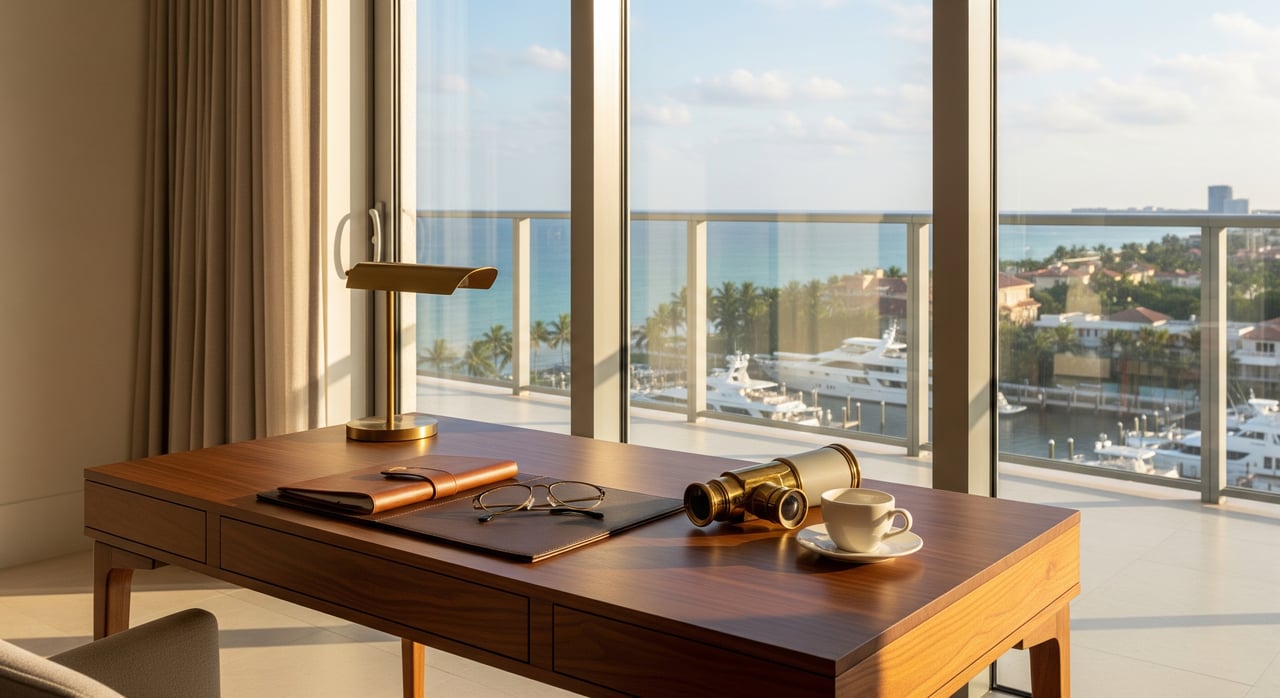
- Included services such as valet, beach service, parking, internet, spa access, or concierge-style offerings
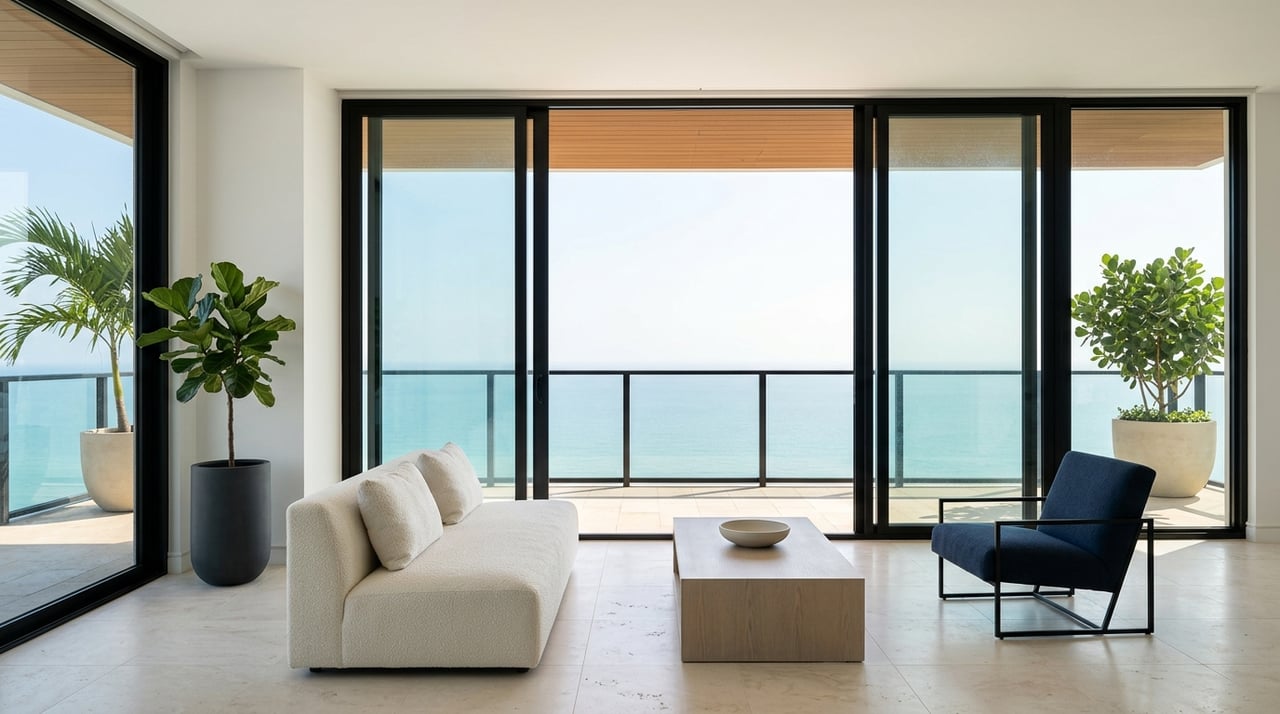
For example, a current listing at 10185 Collins Ave Apt 820 highlights how views, condition, and included amenities can support stronger asking rents.
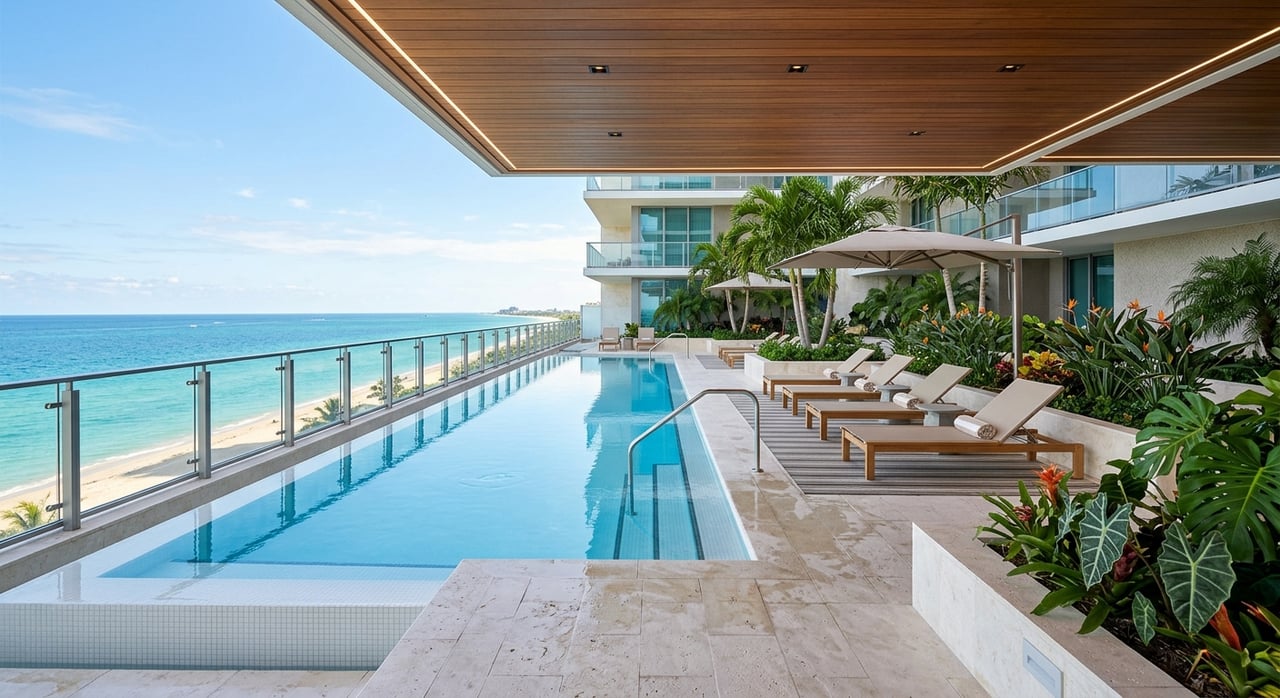
At the building level, the trade-offs are also clear. Harbour House and The Plaza often emphasize features like gym access, pool, beach service, restaurant options, valet, and security, while One Bal Harbour listings emphasize a more elevated luxury service package. Those benefits can support a more polished lifestyle experience, but they may also come with stricter screening and additional fees.
Documents to have ready
If you want to move quickly when the right condo becomes available, it helps to prepare your paperwork early. Current Bal Harbour listings commonly ask renters for:
- Government-issued ID
- Proof of income
- Credit and background screening
- Prior landlord references
- Application fee
- First month’s rent
- Last month’s rent
- Security deposit
- Possible building or association deposit
Some listings also require a personal interview, and some specify pet restrictions. The exact package can vary by building and by owner, so it is wise to request the association application packet before you commit.
A simple timeline for renters
If you are planning a seasonal stay in Bal Harbour, a clear timeline can help you avoid last-minute stress.
60 days or more out
Start narrowing down buildings, target lease length, and your ideal move-in date. This is also the best time to confirm whether you need a shorter seasonal lease or a longer stay that may change your tax treatment.
30 to 45 days out
Submit the lease application, gather supporting documents, and review association requirements carefully. Ask about interviews, deposits, elevator reservations, and move-in windows.
2 to 3 weeks out
Follow up on association approval and finalize funds due at signing. Confirm what is included in the rent so there are no surprises around parking, internet, or amenity access.
Final week before move-in
Verify building logistics, access instructions, and any required certificates or move-in scheduling. In condo buildings, the operational details matter just as much as the lease itself.
How to approach Bal Harbour seasonal rentals wisely
The best Bal Harbour rental decisions usually come from looking beyond the listing photos. You want to evaluate the full picture: lease length, taxes, association approval time, building rules, deposits, and what your monthly payment really includes.
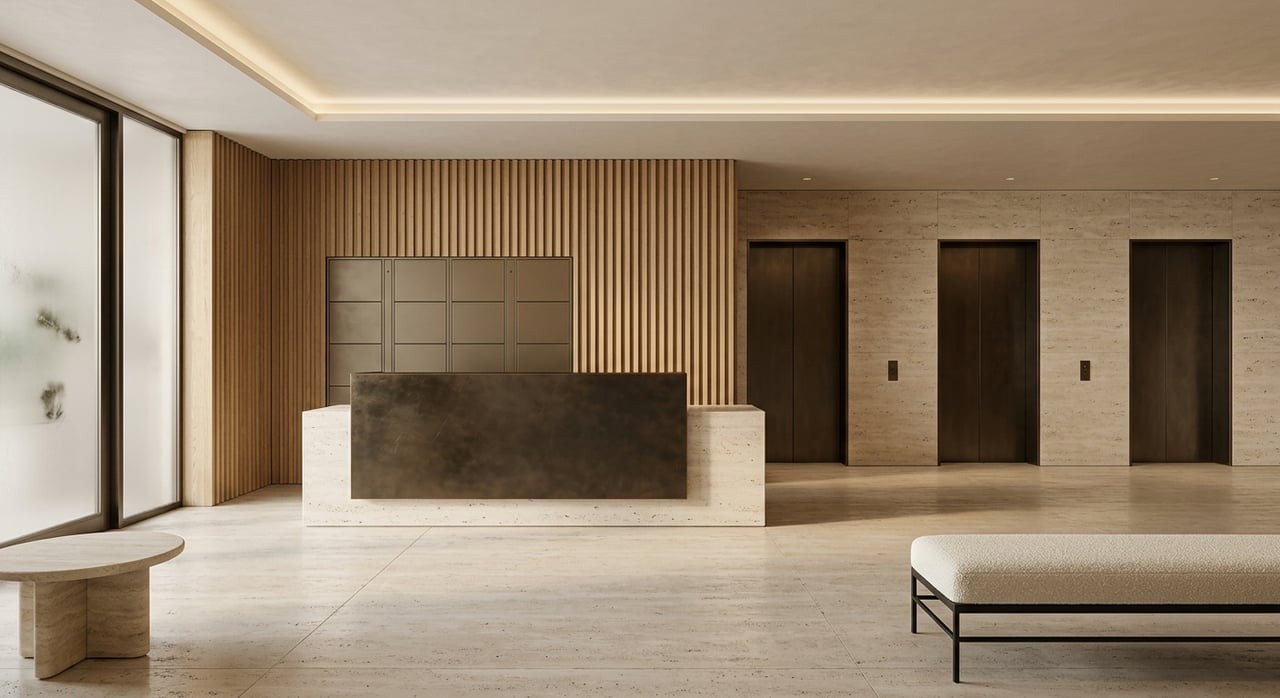
That is especially true in a luxury waterfront market where one tower can feel very different from the next. A polished lobby and ocean view are only part of the story. The smoother experience comes from matching your timing, expectations, and paperwork to the right building from the start.
If you are comparing seasonal options in Bal Harbour and want help navigating building rules, furnished availability, and the details behind the asking price, Marine Rollins offers concierge-style guidance tailored to Miami’s waterfront condo market.
FAQs
What counts as a seasonal rental in Bal Harbour?
- In Bal Harbour, a seasonal rental is often a furnished condo lease, and rentals of six months or less are generally treated as transient rentals for tax purposes according to Miami-Dade and the State of Florida.
How long does Bal Harbour condo approval usually take?
- Current listings suggest association approval often takes about 1 to 4 weeks, and some buildings may also require an interview.
What taxes apply to Bal Harbour seasonal rentals?
- For rentals of six months or less, the total tax load can include 6% Florida sales tax, 1% Miami-Dade surtax, and 4% Bal Harbour resort tax.
Are rentals under 30 days allowed in Bal Harbour?
- Rentals under 30 days fall into Miami-Dade’s short-term vacation rental category and may require additional licensing, registration, and compliance steps before advertising or occupancy.
Why do Bal Harbour rental rates vary so much?
- Rates often vary based on views, building quality, square footage, furnished condition, renovations, and included amenities such as valet, beach service, parking, or spa access.
What documents do renters need for a Bal Harbour seasonal lease?
- Renters commonly need a government ID, proof of income, credit and background information, references, application fees, and move-in funds such as rent and deposits.