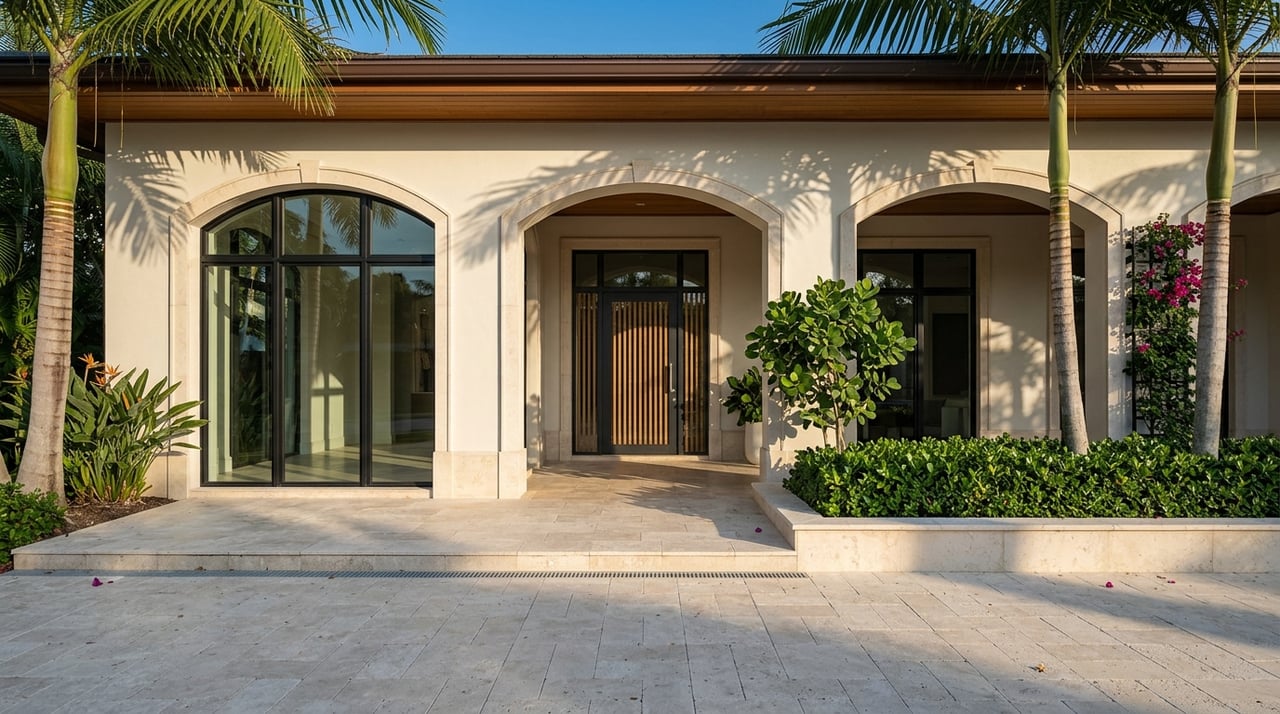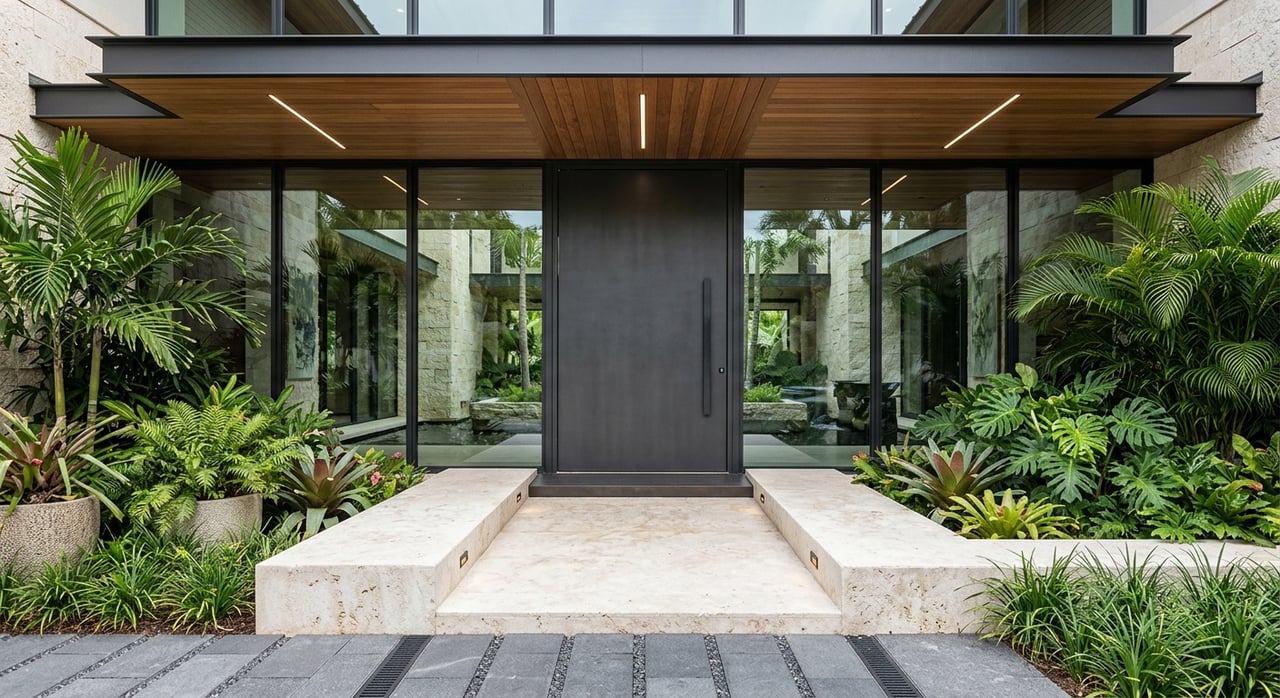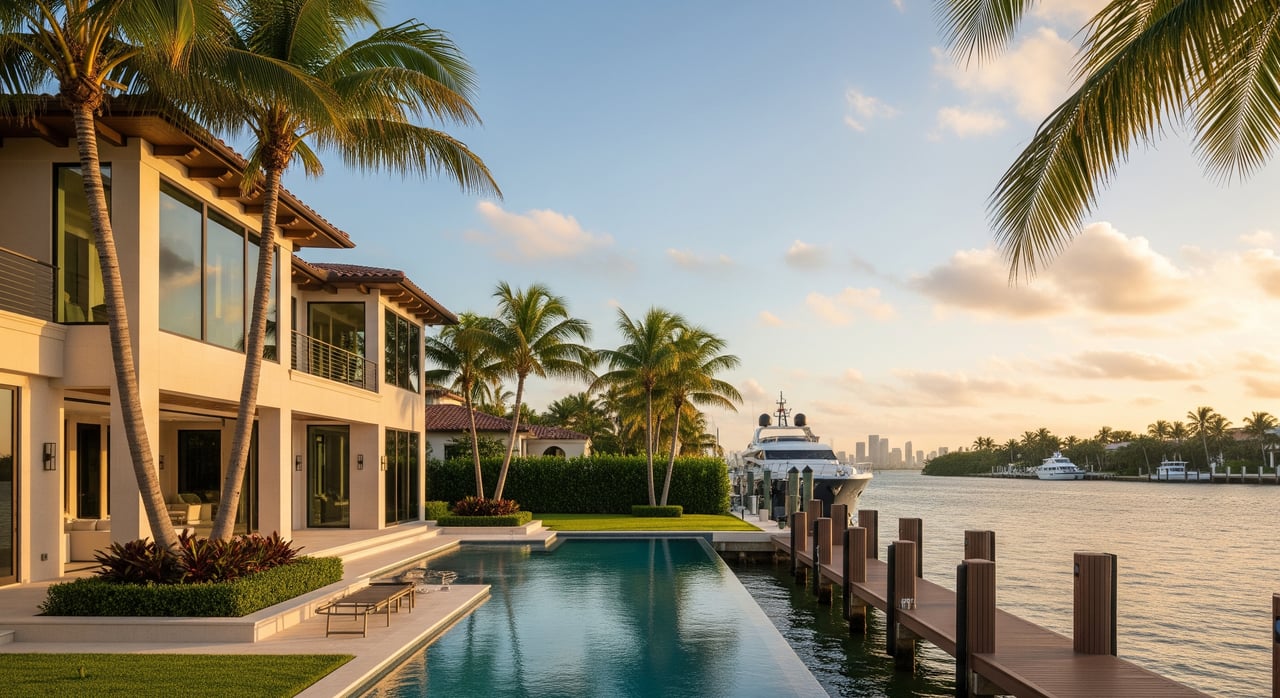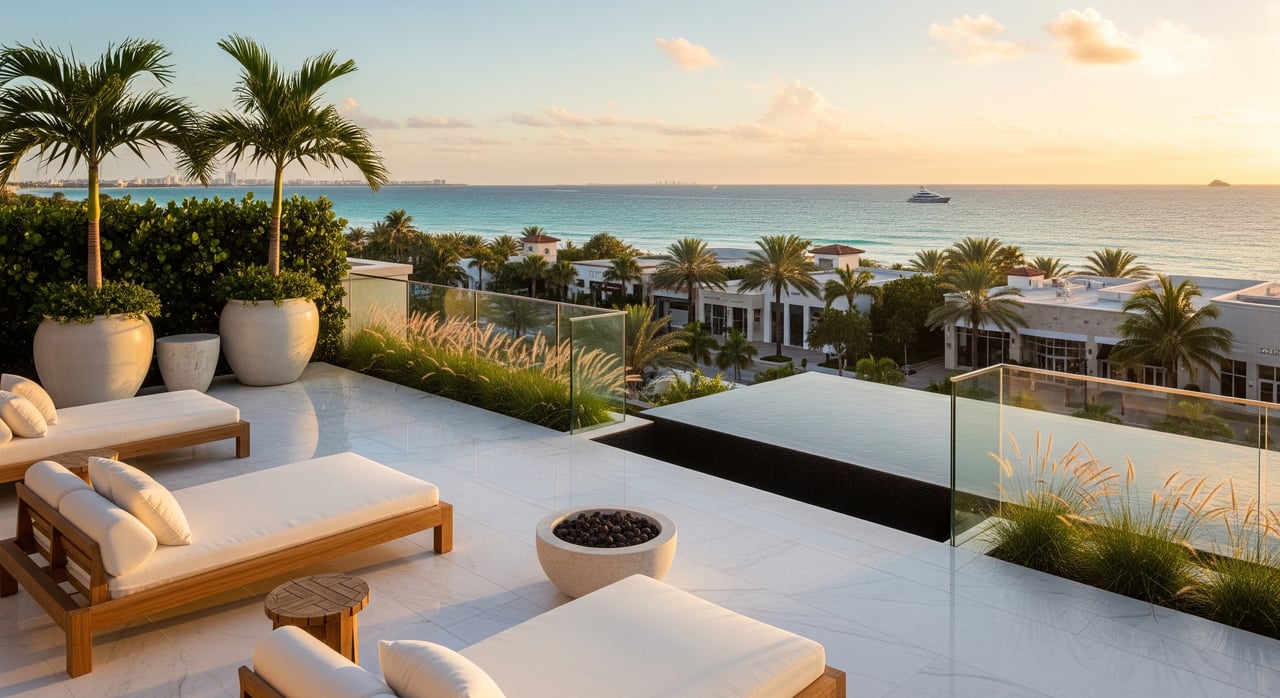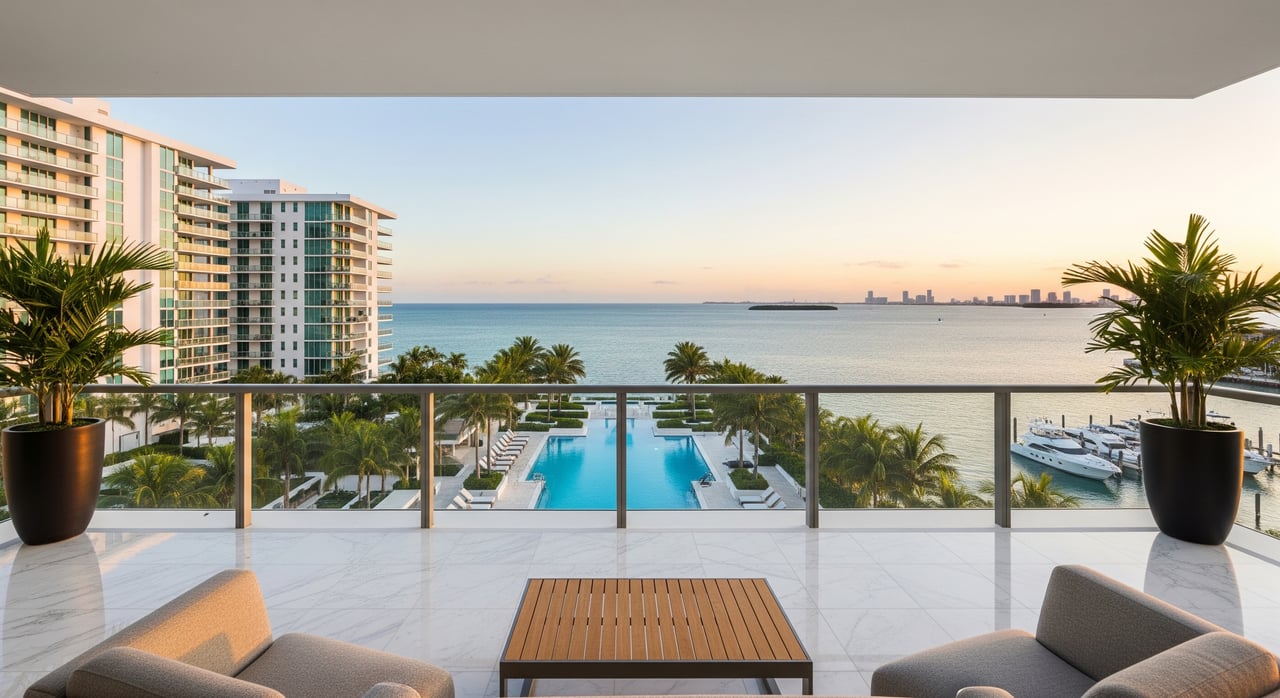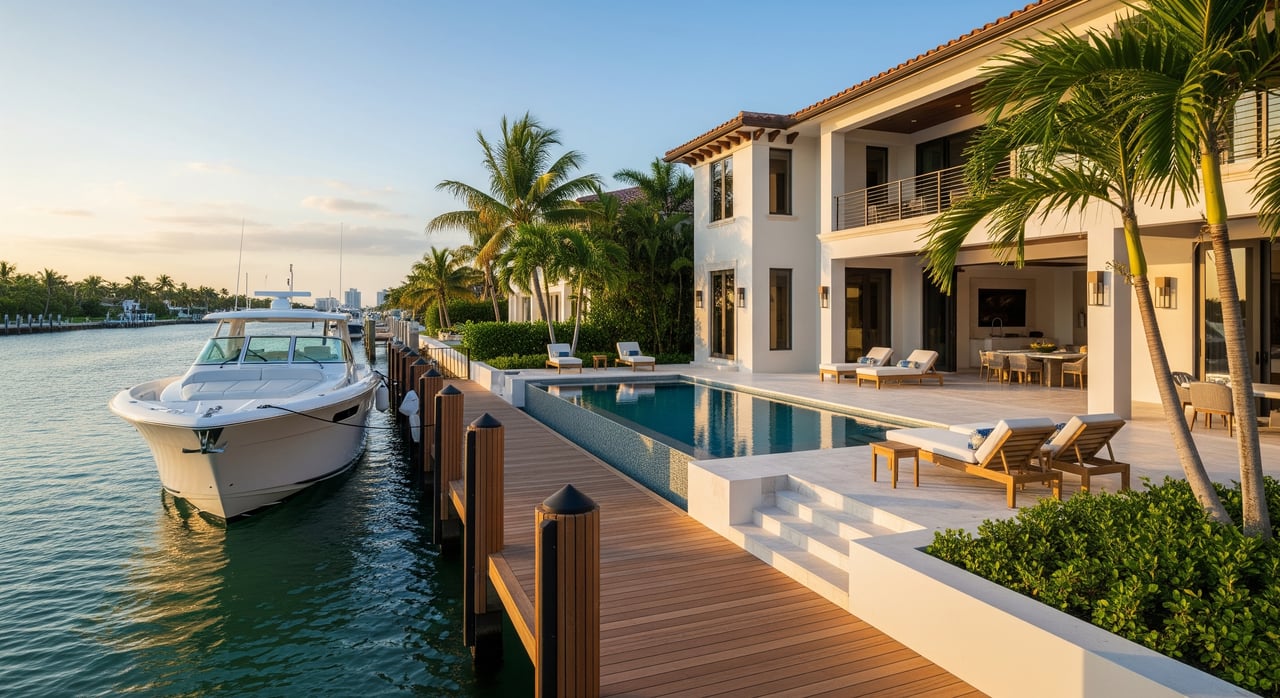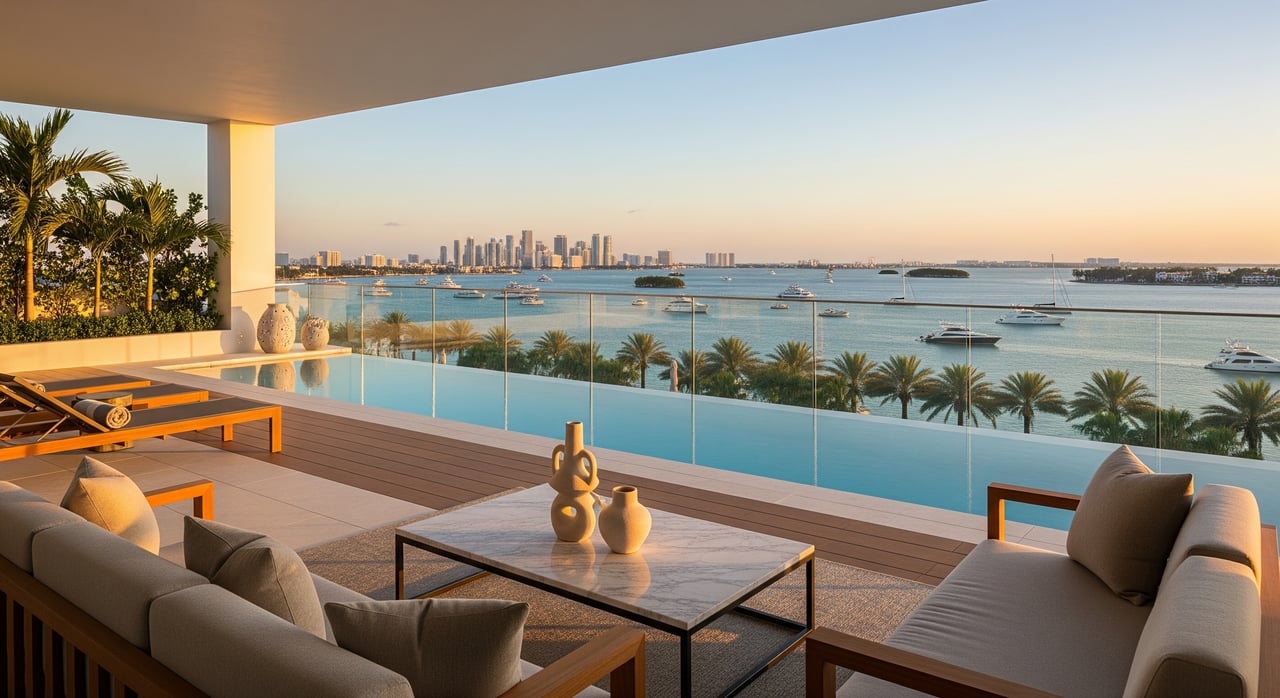
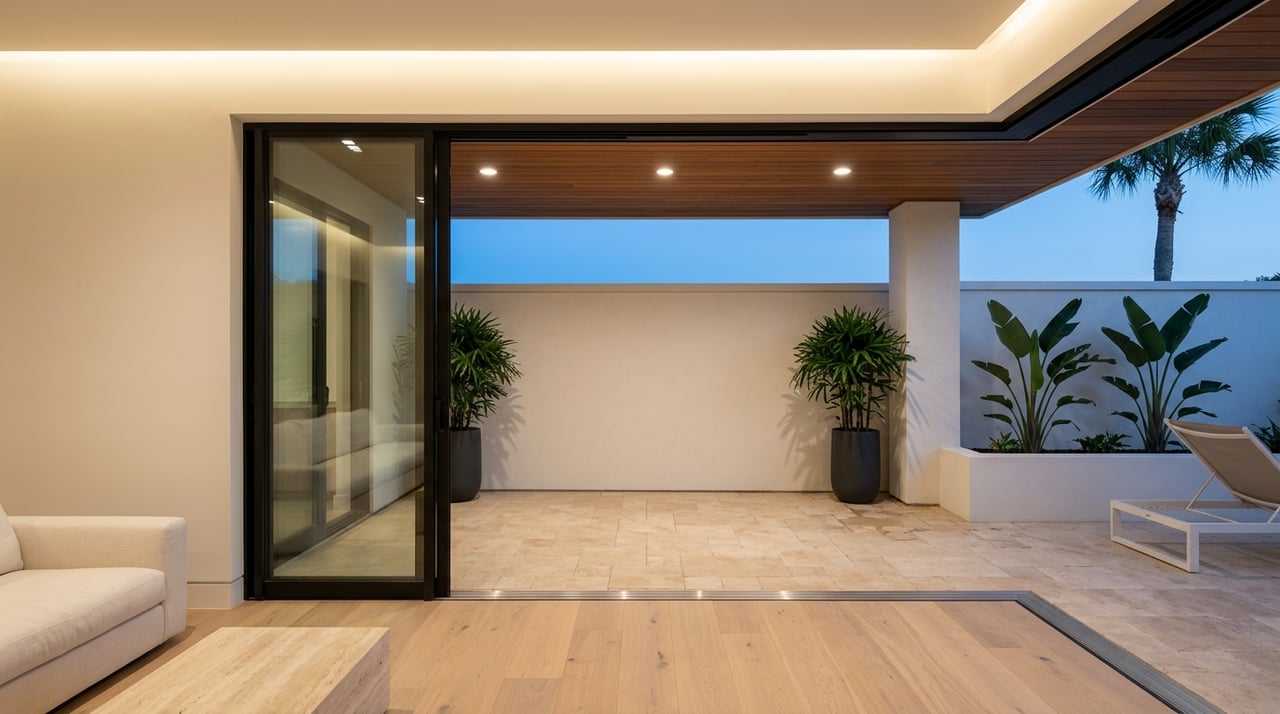
If you are deciding between a Palm Beach condo and an estate home, you are really choosing between two very different ownership experiences. In Palm Beach, the decision goes far beyond square footage or style because local zoning, review rules, flood considerations, and building governance can shape your day-to-day life. The good news is that once you know what matters most to you, the right fit becomes much clearer. Let’s dive in.
Why product type matters in Palm Beach
Palm Beach is a tightly regulated coastal market, and that has a real impact on how you own and use property. The Town’s Planning, Zoning and Building Department works to preserve the town’s character, administer zoning, and coordinate permitting, which means the type of property you buy can affect renovation plans, maintenance responsibilities, and even how much flexibility you have over exterior changes.
The town’s land development regulations govern uses, setbacks, height, lot coverage, building mass, and landscaped open space. In practical terms, that means condos and estate homes are not just different in layout. They are governed in different ways, and those differences can shape privacy, services, upkeep, and long-term planning.
Palm Beach condo ownership basics
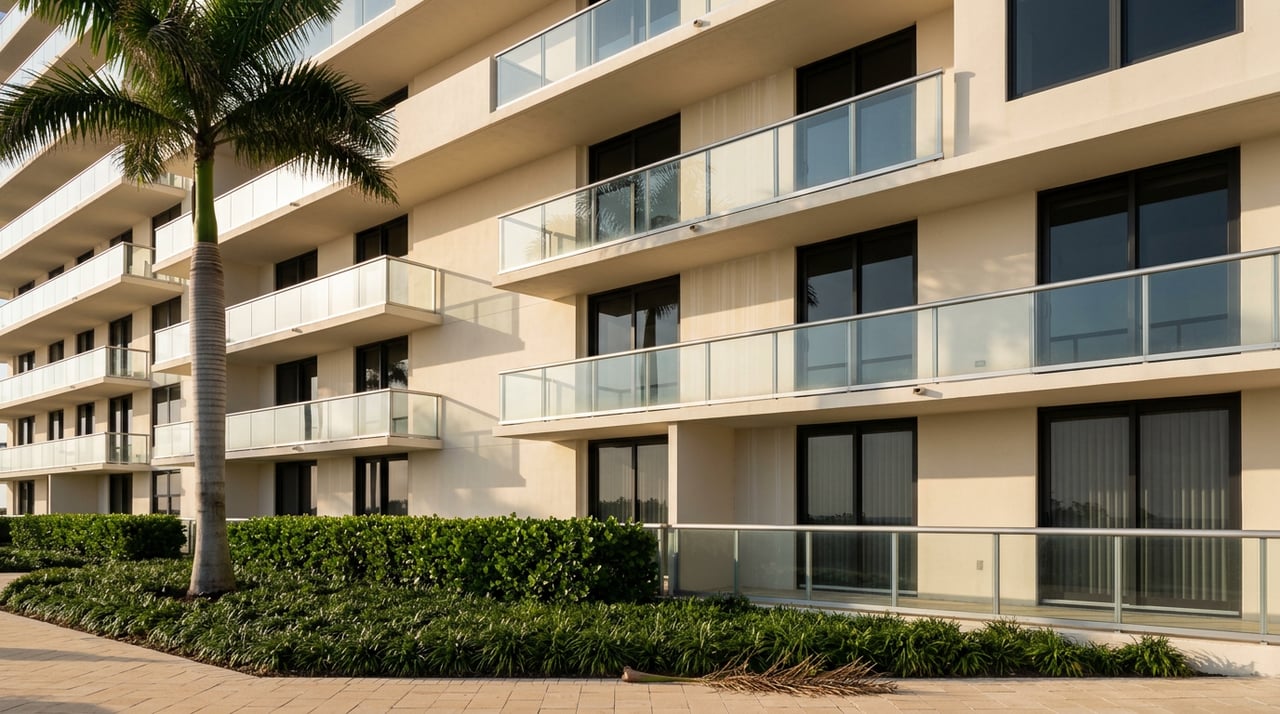
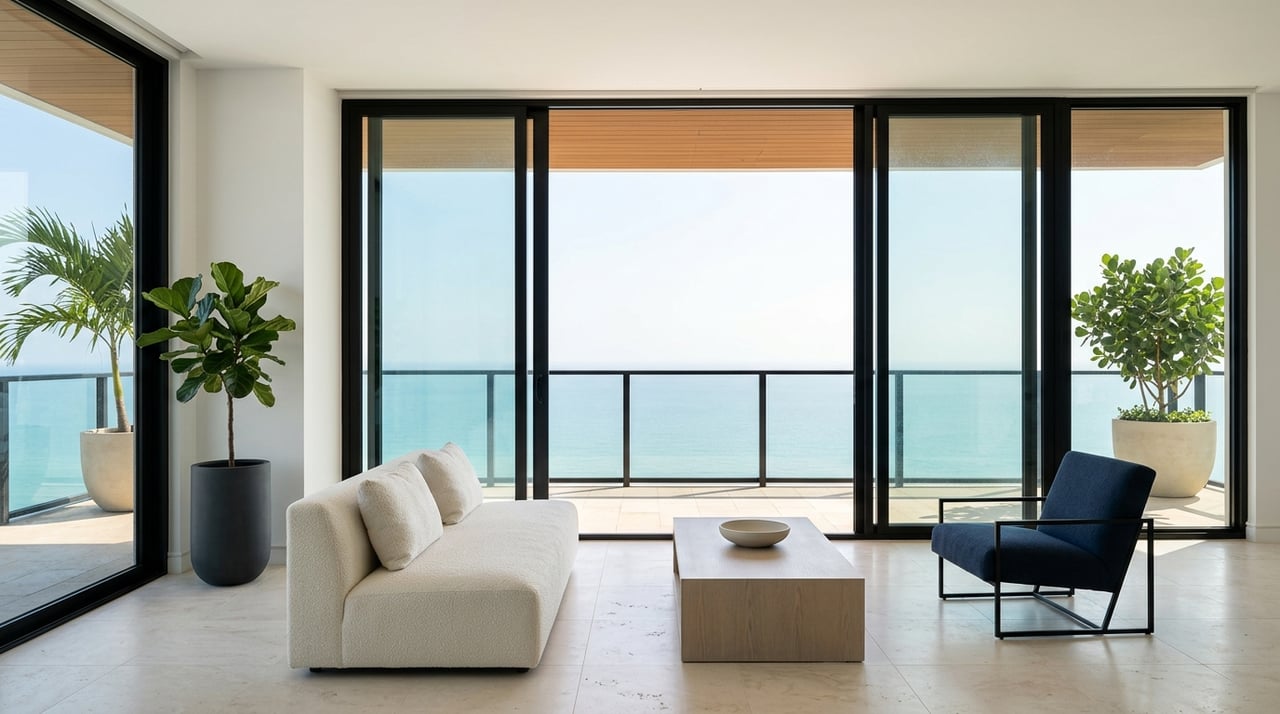
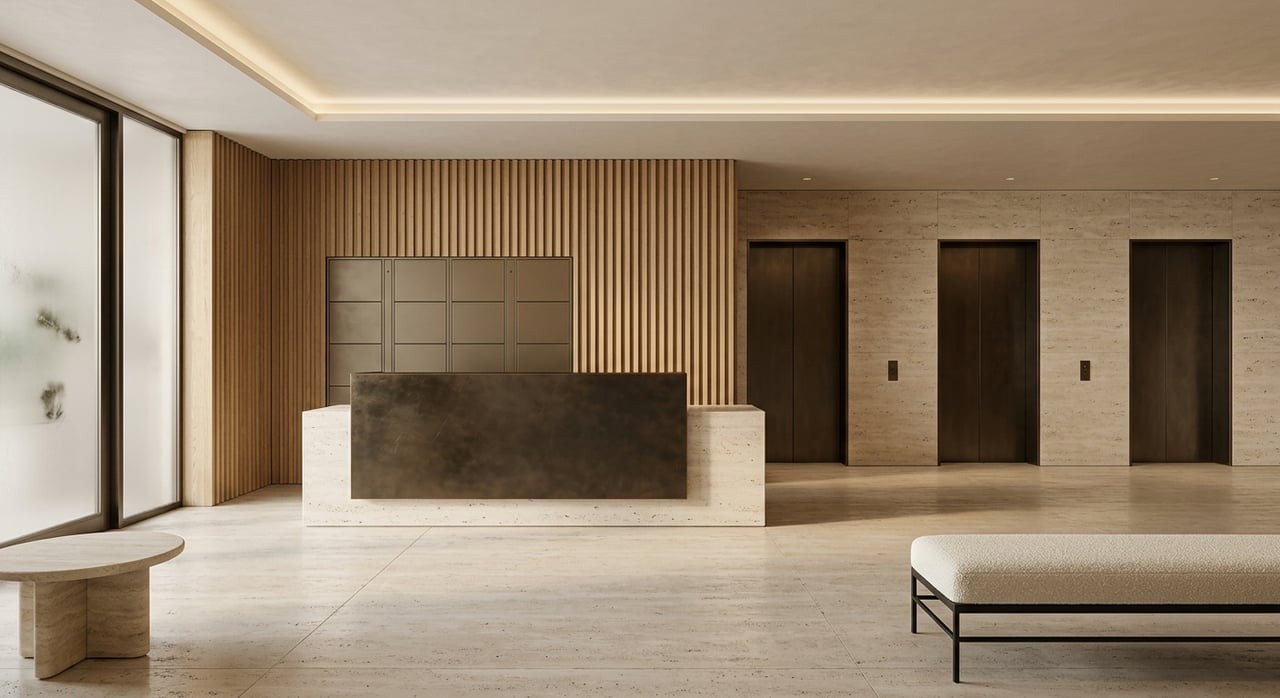
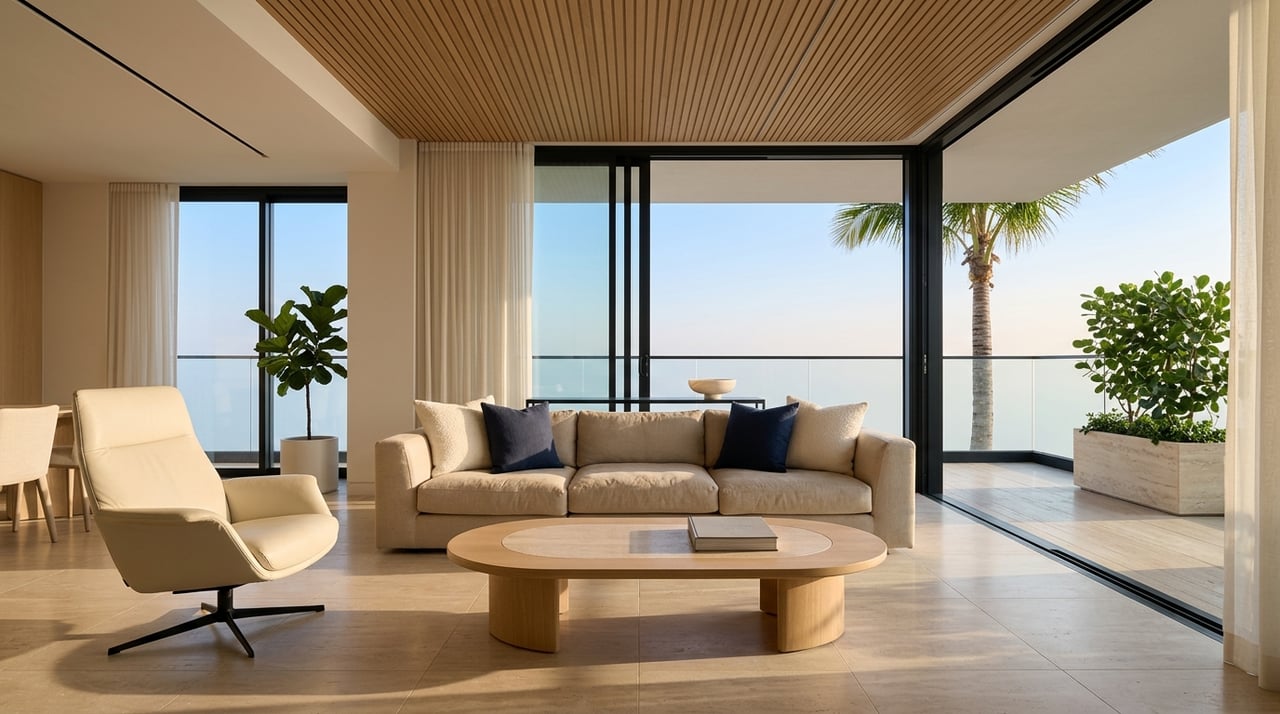
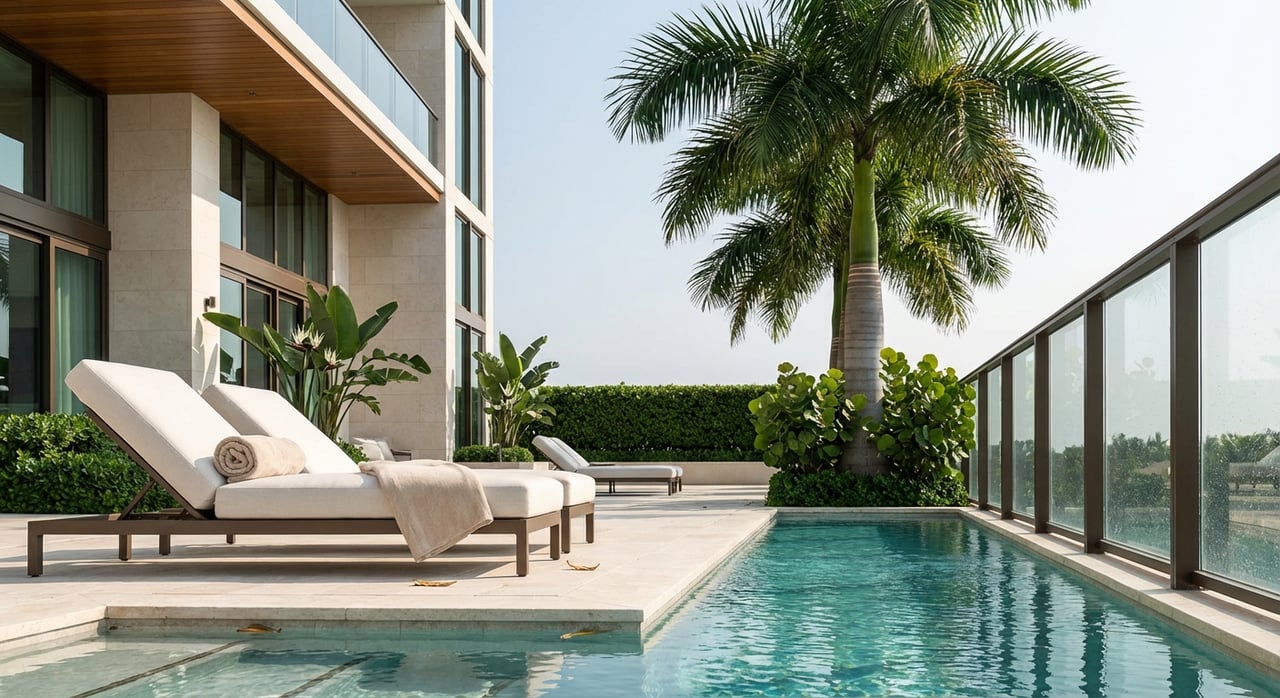
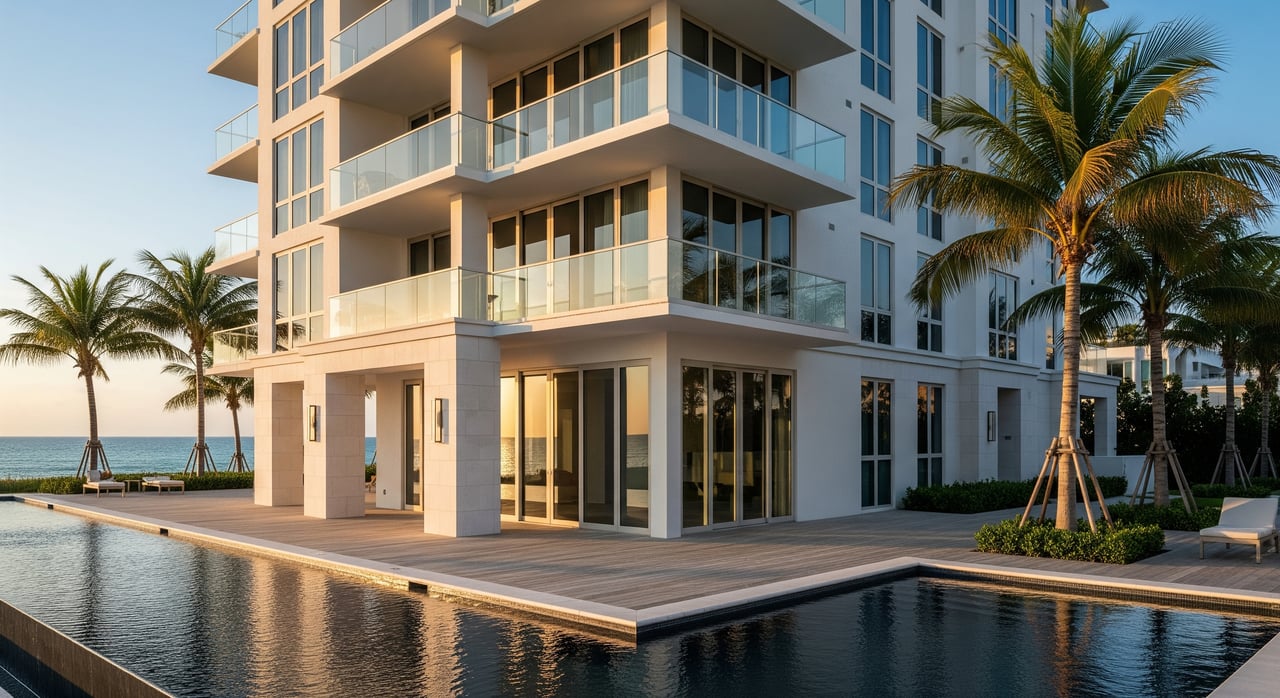
A condominium in Florida is made up of individual units plus an undivided share in the common elements. That structure is one reason many Palm Beach buyers are drawn to condos, especially if you want a more streamlined, lock-and-leave lifestyle with shared amenities and building services.
In many condo buildings, the association is responsible for certain maintenance, repair, and replacement obligations described in the governing documents. Common expenses may also include services like security, road maintenance, transportation services, in-house communications, and master-meter utilities when they benefit unit owners.
That can make condo ownership feel more turnkey than a single-family home. At the same time, your use of amenities and common areas is typically subject to association rules, so convenience comes with a layer of building governance.
Why condos appeal to many buyers
For many buyers, the biggest condo advantage is simplicity. If you plan to use the property seasonally, travel often, or prefer on-site services, a condo can offer a more managed ownership experience.
Condos can also make lifestyle planning easier. Access to common elements and recreational facilities is generally defined in the governing structure, so you may have a clearer picture of what is included and how shared spaces are used.
Condo due diligence matters more than ever
In Palm Beach, condo due diligence should be thorough. Florida requires milestone inspections for buildings that are three habitable stories or more once they reach 30 years of age, and then every 10 years after that.
The town states that phase 1 inspections are due within 180 days of written notice, and phase 2 is required if substantial deterioration is found. Residential condominium associations in qualifying buildings must also complete structural integrity reserve studies, and those records must be part of the official record and available to prospective purchasers.
That means you should look closely at more than the unit itself. A beautiful residence in a building with weak reserves, unresolved repair needs, or upcoming capital work may not feel turnkey for long.
Condo questions to ask before you buy
If you are considering a Palm Beach condo, these are some of the most important questions to ask:
- What is the building’s age?
- When is the next milestone inspection due?
- Has the structural integrity reserve study been completed?
- Are reserves being funded as required?
- Are there current or expected special assessments?
- Are there major repairs, litigation, or insurance issues to review?
- What are the rules for rentals, pets, parking, guest use, and hurricane protection?
For buyers who value service, convenience, and a more hands-off ownership model, a condo can be an excellent fit. The key is making sure the building’s financial and structural profile supports that lifestyle.
What estate home ownership looks like
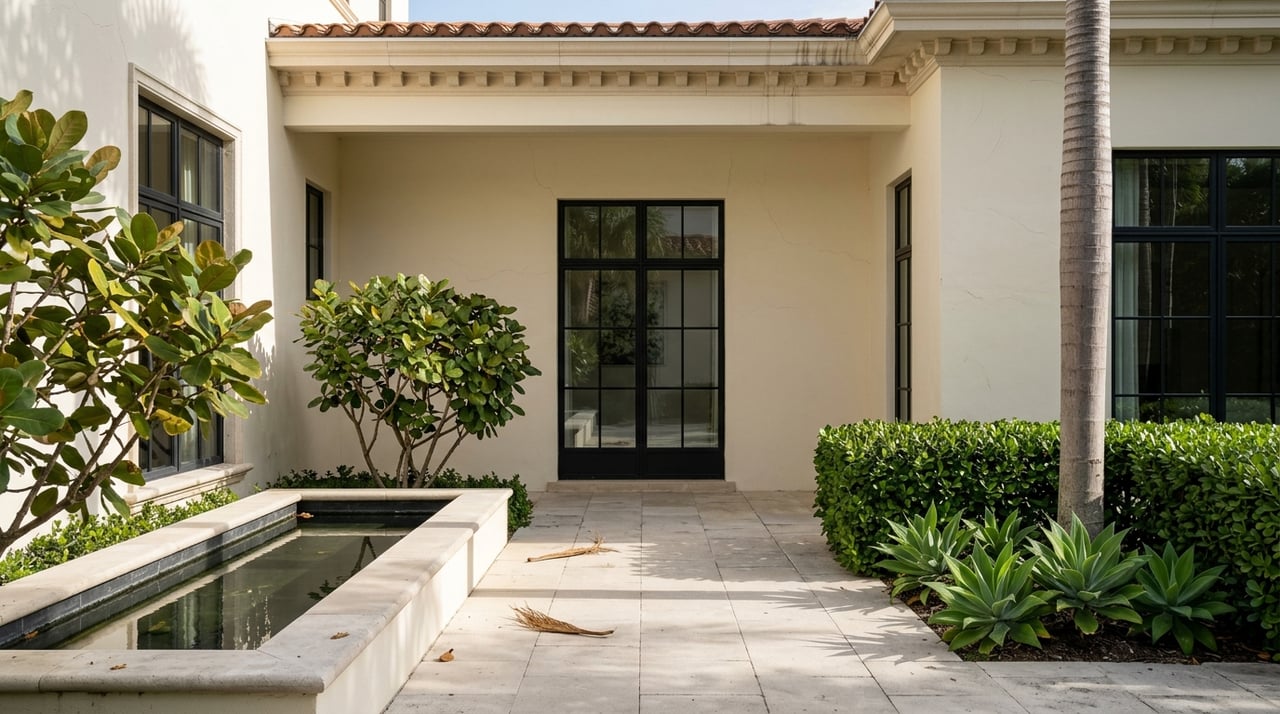
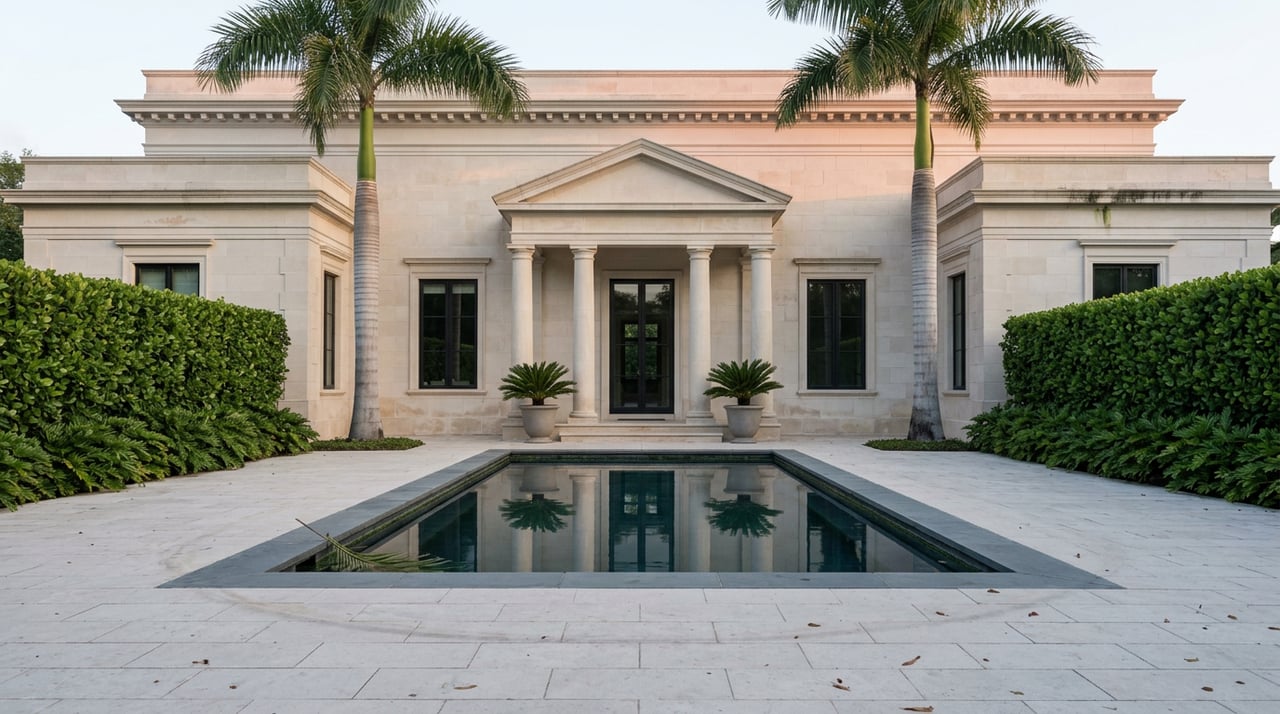
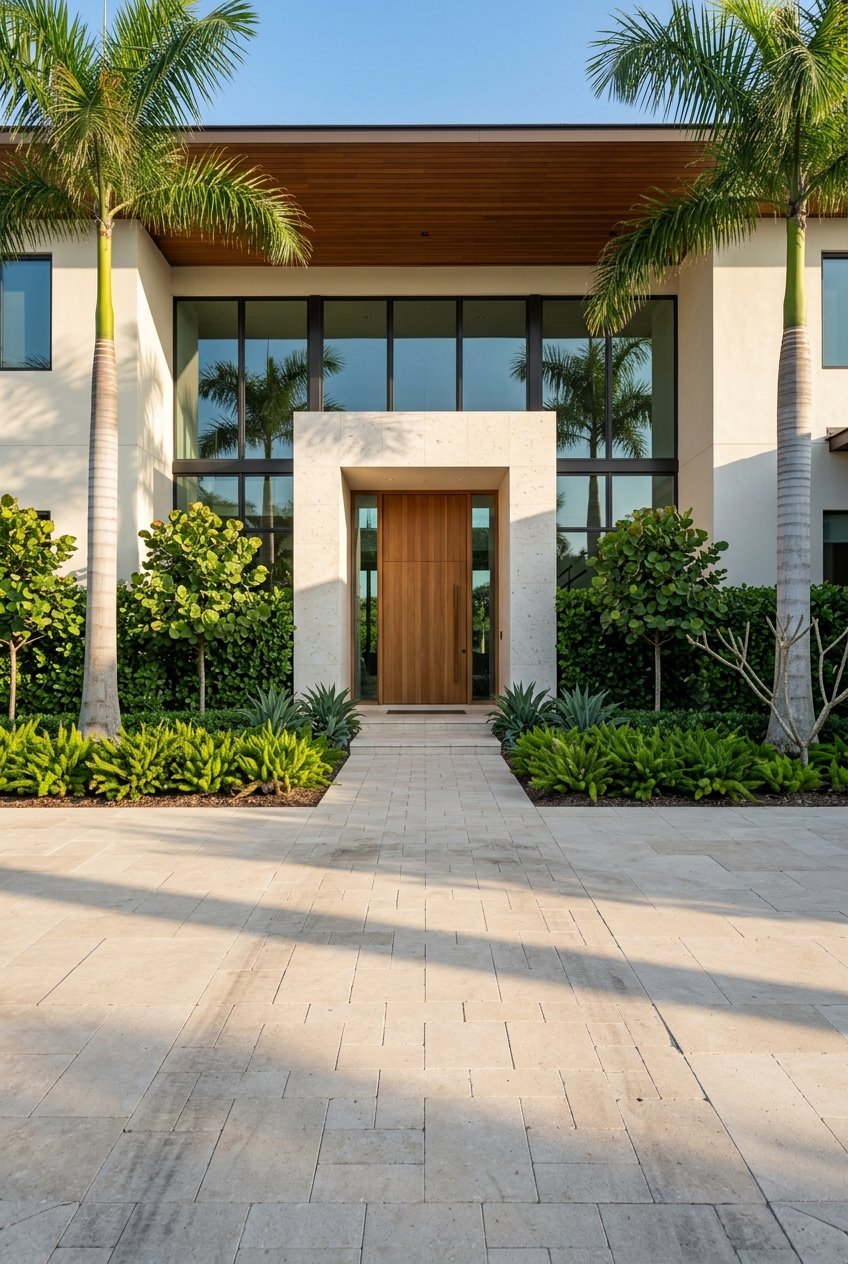
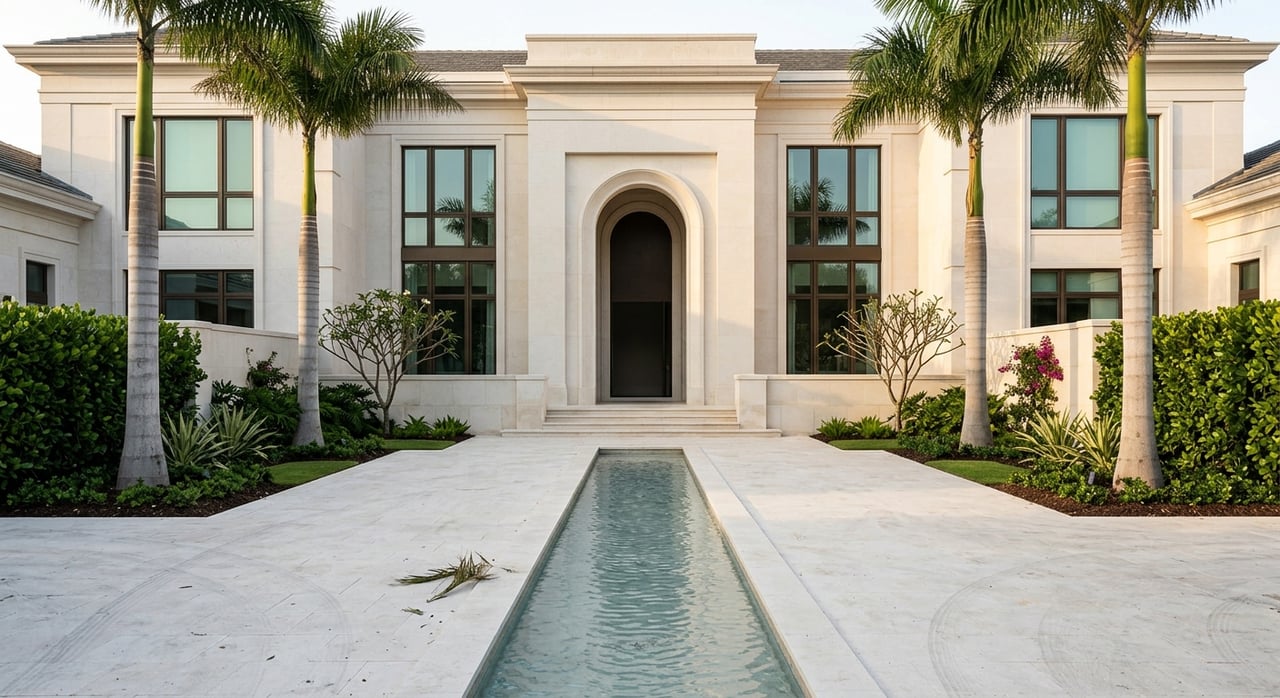
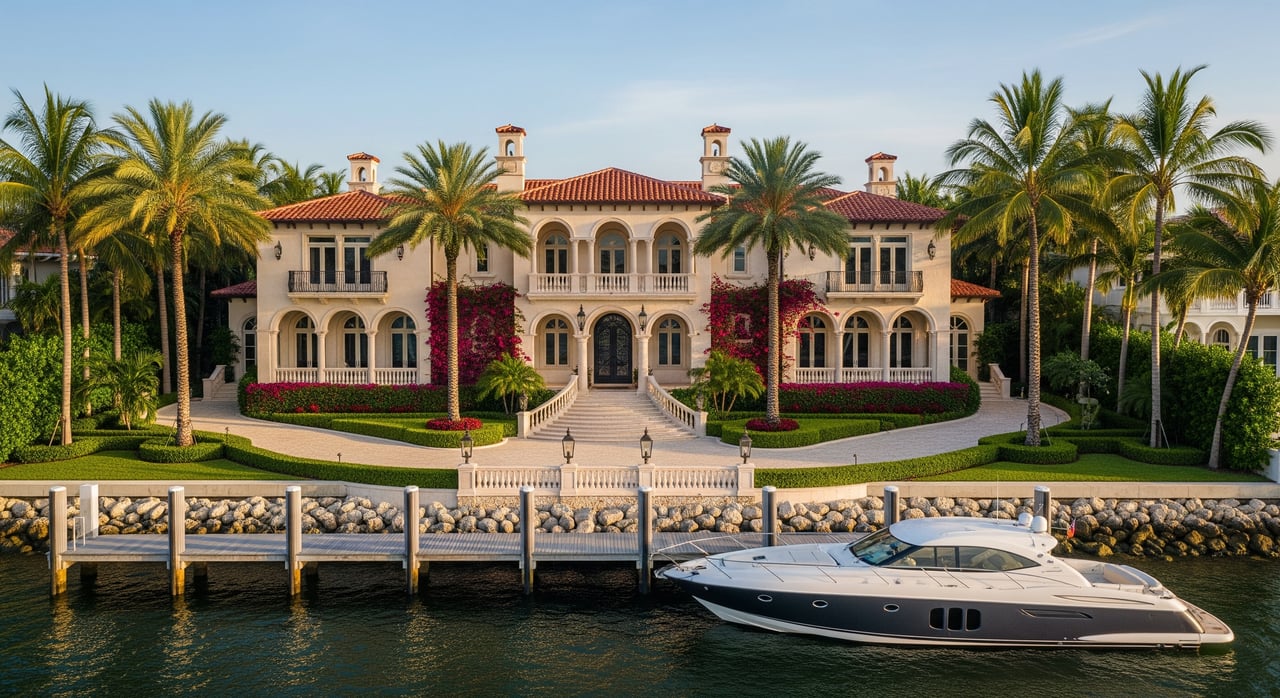
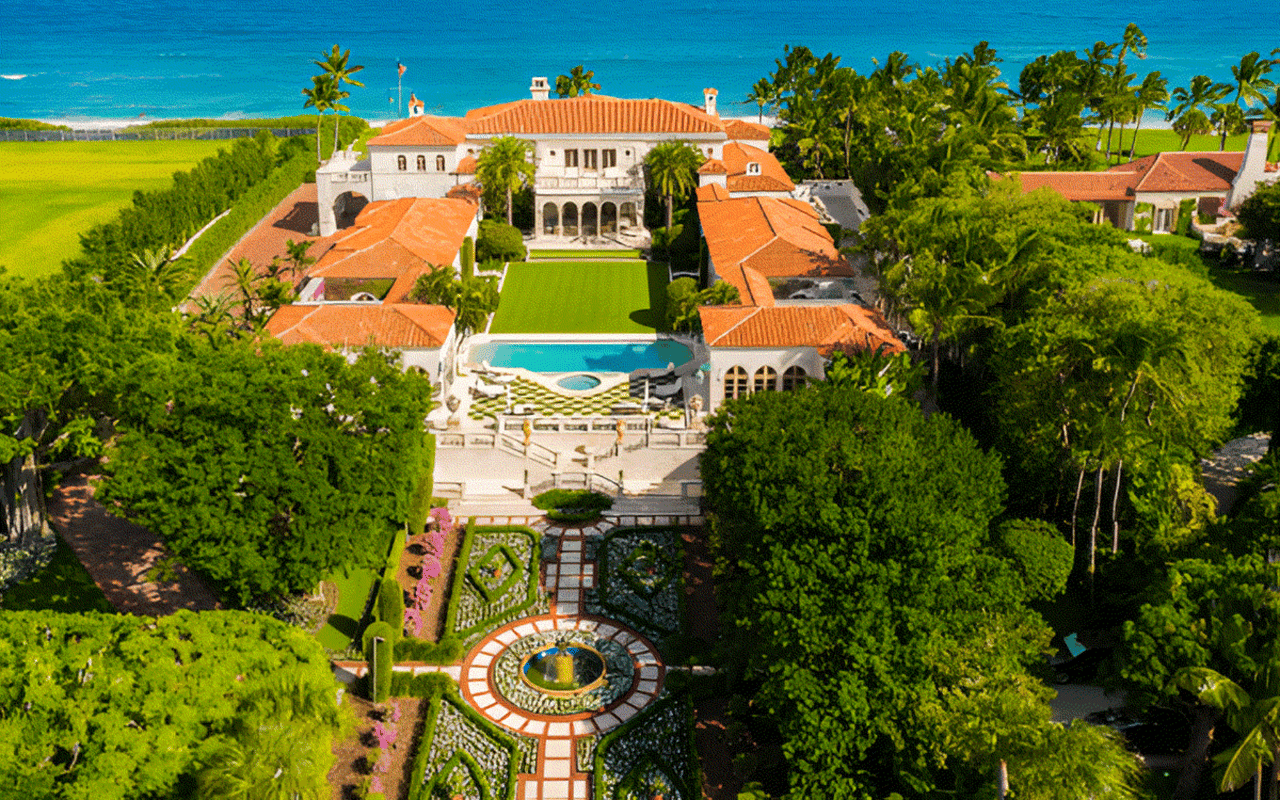
Estate homes in Palm Beach offer a very different ownership experience. The town’s zoning summary shows estate districts such as R-A and R-AA with minimum lot sizes of 20,000 and 60,000 square feet, which helps explain why these properties often provide more land, separation, and privacy.
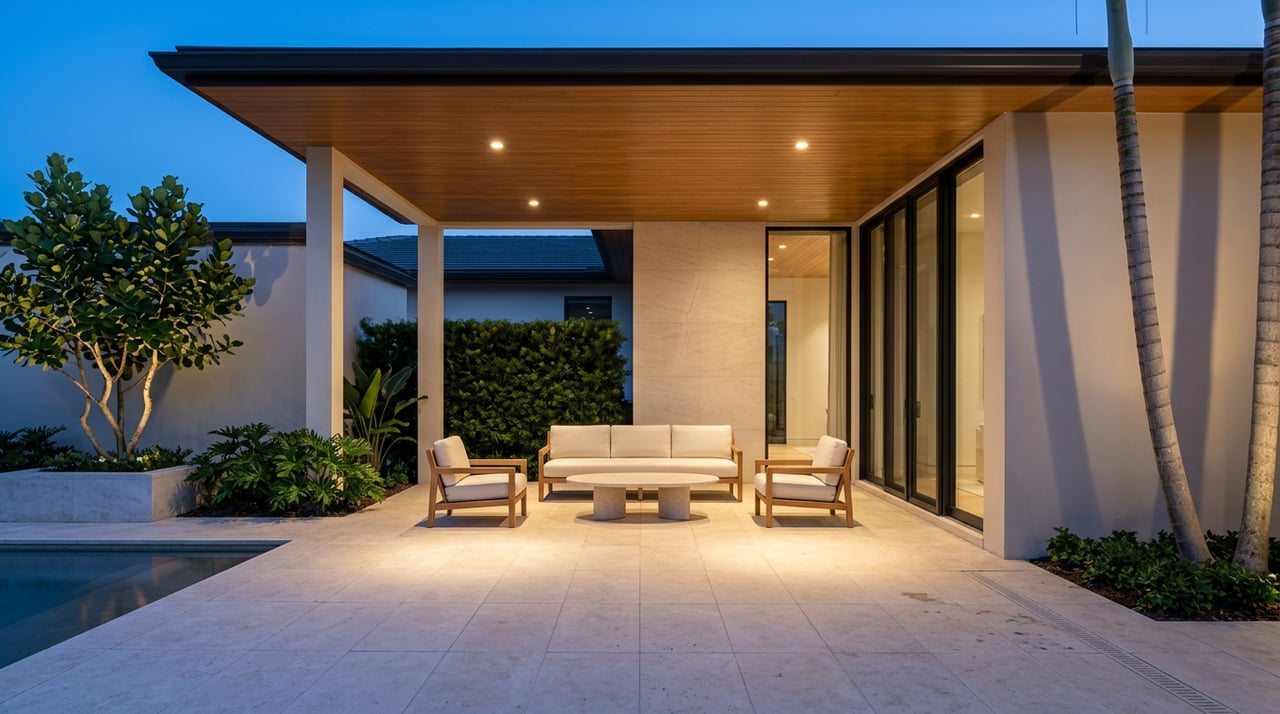
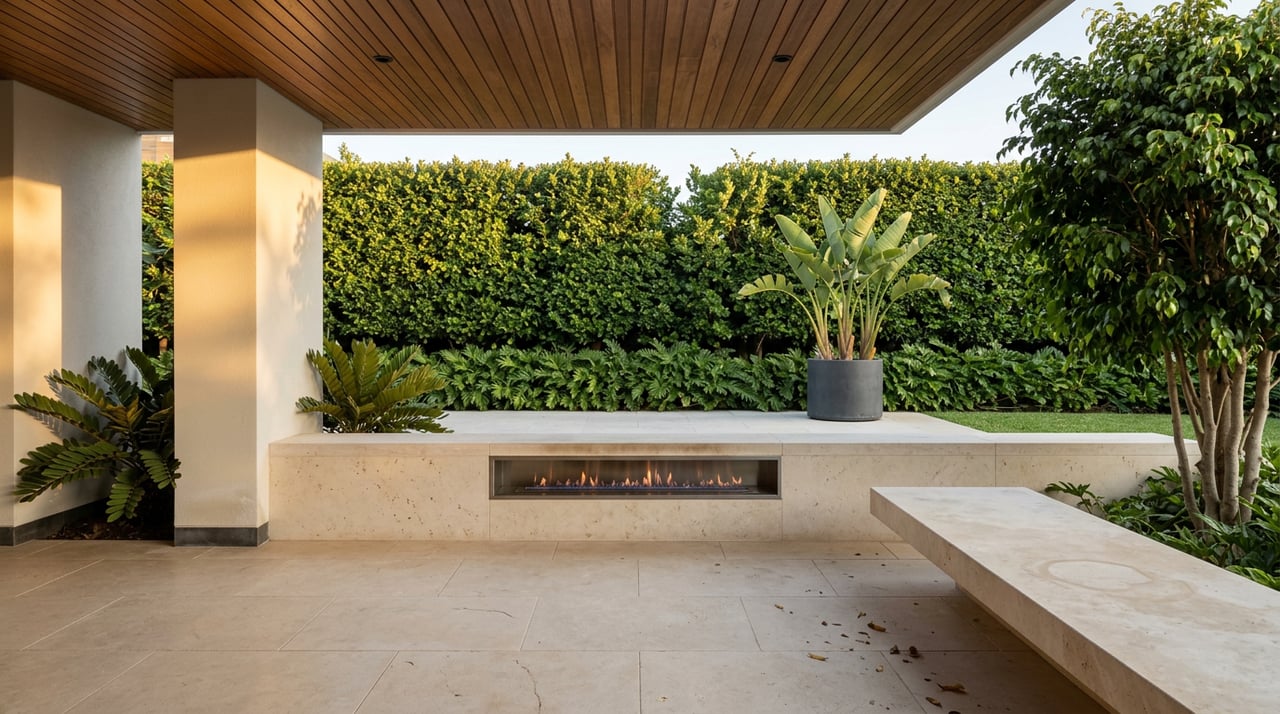
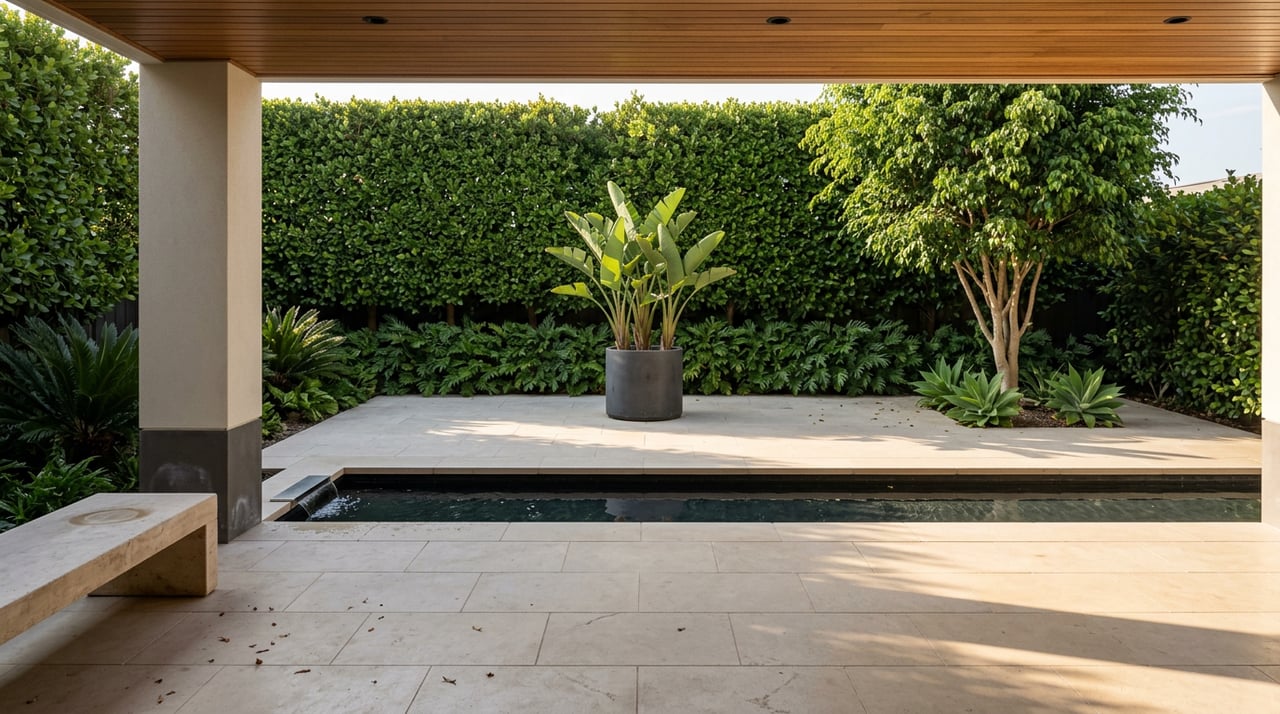
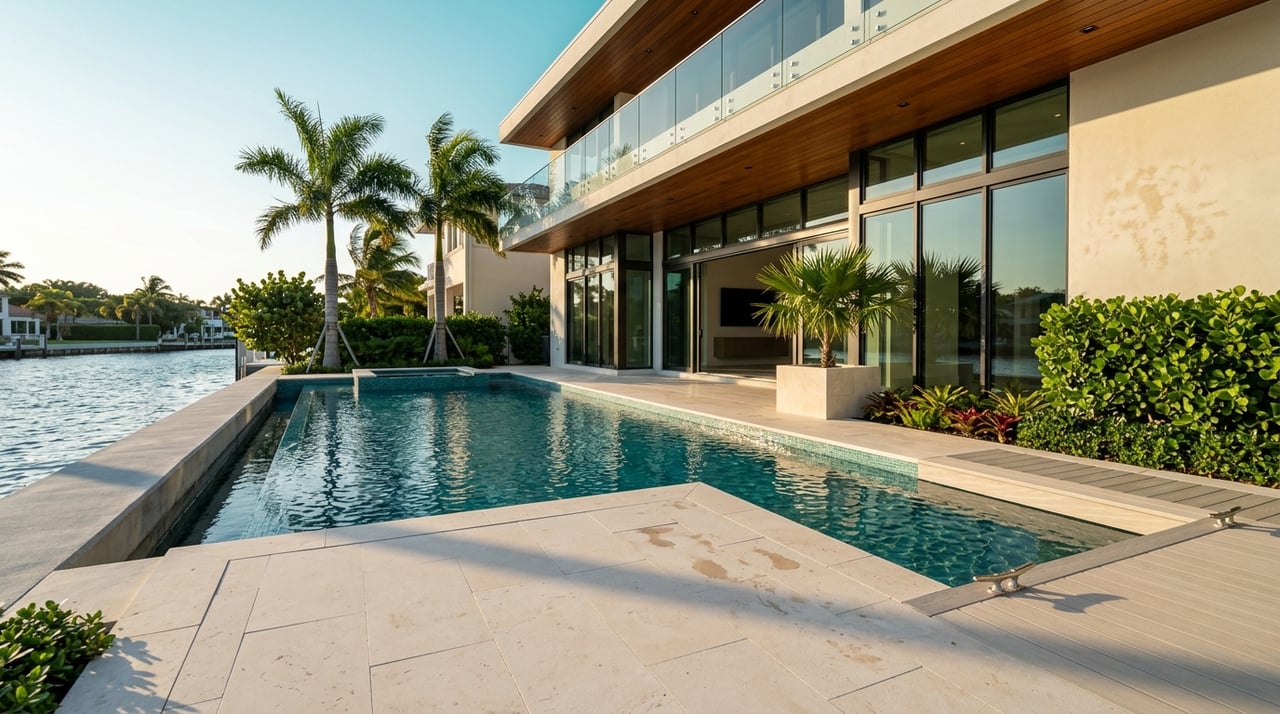
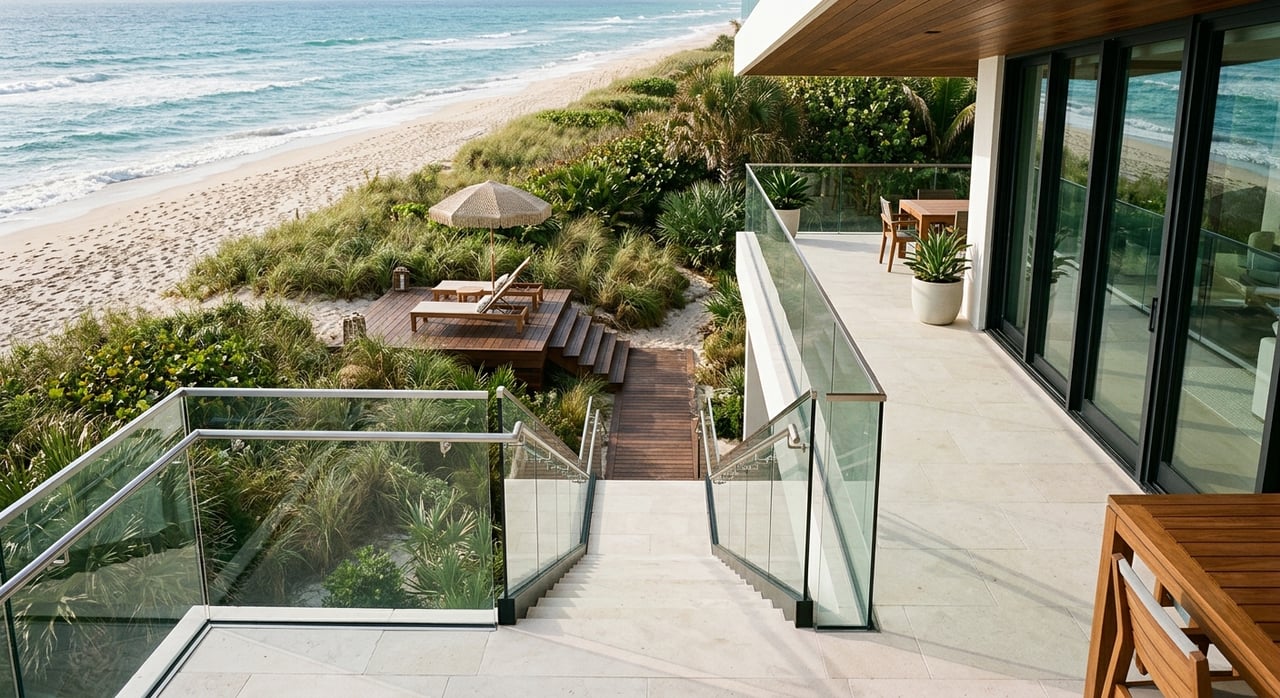
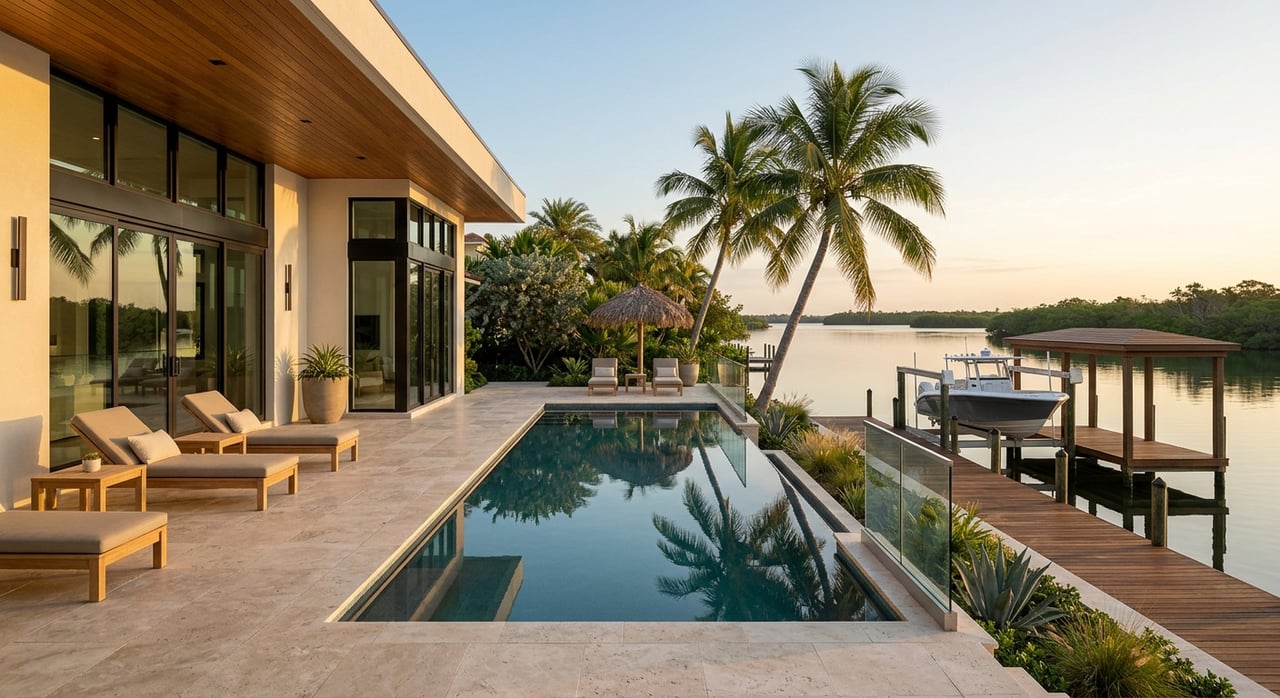
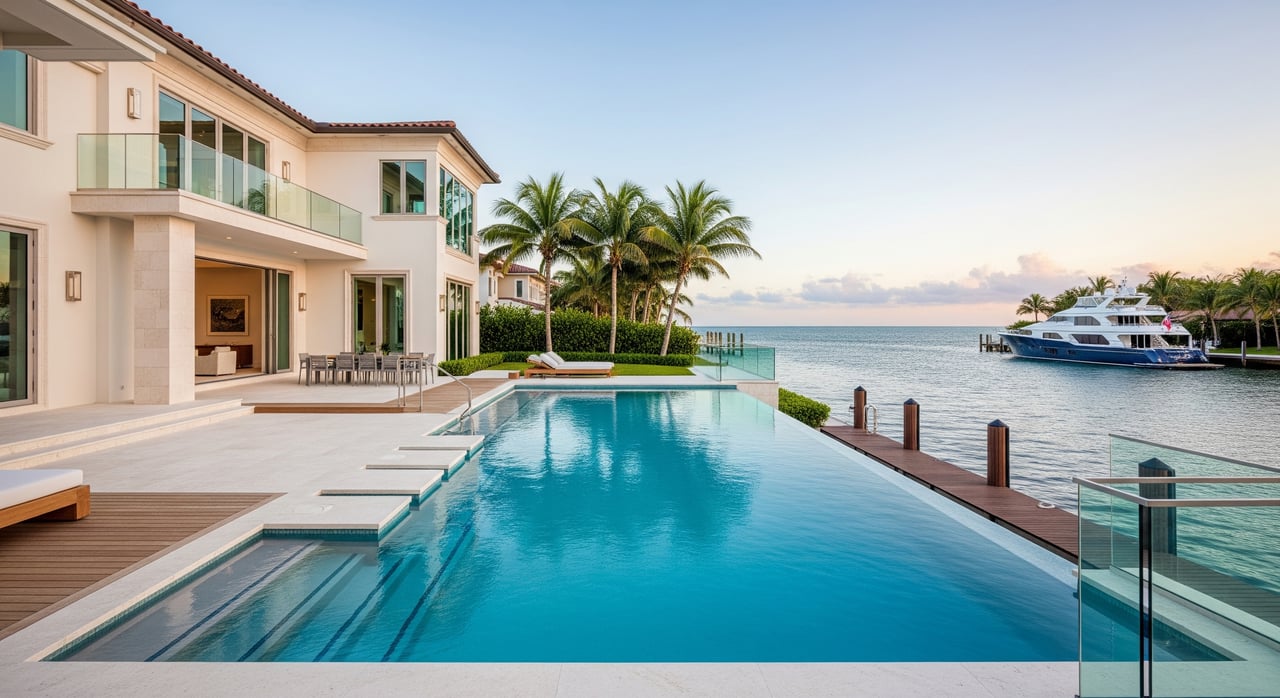
If your vision includes outdoor living, greater site control, or the ability to shape the property around your preferences, an estate home may be more aligned with your goals. You are often buying not just a residence, but a larger setting with more room to enjoy and manage.
Why estates appeal to some buyers
The biggest draw of an estate home is control. You are not sharing common elements in the same way you would in a condo, and you typically have more direct authority over how the property functions day to day.
You may also have more outdoor space and a stronger sense of separation from neighboring properties. For buyers who prioritize privacy, landscaping, entertaining space, or future customization, that can be a major advantage.
The trade-off with estate ownership
More control usually means more responsibility. Unlike condo ownership, where many shared systems and services are handled through an association, estate owners typically carry the burden of grounds care, maintenance, and project coordination directly.
In Palm Beach, that responsibility can also include navigating a detailed local review process. Depending on the property and the changes you want to make, exterior work may require more time and planning than buyers expect.
Renovation and approvals in Palm Beach
This is one of the biggest factors buyers overlook when comparing a condo to an estate. In Palm Beach, proposed projects may go through administrative or commission-level review, and exterior changes are not always simple.
ARCOM reviews visible modifications, new construction, and landscaping. If a property is landmarked or historically significant, the Landmarks Preservation Commission may also be involved, and the town says more than 328 landmark properties, sites, and vistas are protected.
For estate buyers, this matters because exterior changes can be more process-heavy than they first appear. The town also regulates construction and landscaping working hours, including a pause from December 24 through January 1, which can affect project timing.
Estate questions to ask before you buy
If you are leaning toward an estate home, ask these questions early:
- Which zoning district is the parcel in?
- What are the lot-size, setback, and height limits?
- Is the property landmarked or located in a historic district?
- Which review body would oversee future changes?
- What flood zone is the property in?
- What insurance or elevation issues could affect ownership costs or renovation plans?
- How much upkeep, landscaping, and permitting are you comfortable managing?
These answers can tell you whether a property truly supports your plans, or whether the approval path may be more involved than you want.
Flood risk is part of the decision
Whether you choose a condo or an estate, flood risk deserves careful attention in Palm Beach. The town says its flood insurance rate maps were updated effective December 20, 2024, and Palm Beach is a Class 6 National Flood Insurance Program Community Rating System community.
That classification gives NFIP flood insurance holders a 20 percent annual discount. The town also reminds owners that homeowner’s insurance does not cover flooding, so this is an issue to review directly rather than assume is already covered.
Flood exposure can influence insurance costs, future renovation choices, and your comfort level with the property over time. FEMA flood maps are the official source for flood hazard information, and flood risk can change over time, so current map review is important during your due diligence.
A simple way to decide
If you are stuck between the two, the clearest answer often comes from your lifestyle priorities.
A Palm Beach condo may be your best fit if you want:
- Seasonal or part-time use
- Lower direct maintenance responsibility
- Shared services and amenities
- A more turnkey ownership experience
- Predictable access to common facilities, subject to building rules
An estate home may be your best fit if you want:
- More privacy and separation
- Larger outdoor space
- Greater control over the property
- More room for personalization
- A site-driven lifestyle rather than a building-driven one
Neither option is universally better. The right choice depends on whether you value simplicity and services more, or land and control more.
Do not overlook tax and usage plans
Your intended use matters too. If the property will be your primary residence, the Palm Beach County Property Appraiser administers exemptions, including homestead, and states that homestead applications are due by March 1.
If you plan to use the property intermittently or rent it, review that plan carefully before finalizing an offer. For condos in particular, association rules may affect rental flexibility, and your usage pattern can also influence how you think about taxes and ownership structure.
The best Palm Beach fit is personal
In Palm Beach, choosing between a condo and an estate is less about abstract labels and more about how you want to live. Some buyers want a refined, lower-maintenance home base with services and structure. Others want space, privacy, and more control over the full property experience.
The strongest buying decisions happen when your lifestyle goals, risk tolerance, and renovation expectations match the realities of the property type. If you want guidance that feels polished, discreet, and highly personalized, Marine Rollins can help you evaluate the details and choose with confidence.
FAQs
What makes Palm Beach condo ownership different from owning an estate home?
- A Palm Beach condo usually offers a more managed, lock-and-leave ownership model with association governance and shared amenities, while an estate home typically offers more land, privacy, and control along with more direct upkeep and permitting responsibility.
What should you review before buying a Palm Beach condo?
- You should review the building’s age, milestone inspection status, structural integrity reserve study, reserve funding, special assessments, insurance issues, and rules related to rentals, pets, parking, guests, and hurricane protection.
What zoning issues matter when buying a Palm Beach estate home?
- You should confirm the property’s zoning district and understand the applicable lot-size, setback, height, massing, and open-space rules because these can affect privacy, future plans, and what changes may be allowed.
How do Palm Beach historic rules affect estate home renovations?
- If a property is landmarked or located in a historic district, exterior changes may require review through the town’s preservation and design process, which can make renovations more involved.
Why is flood insurance important for Palm Beach buyers?
- The town states that homeowner’s insurance does not cover flooding, so buyers of both condos and estate homes should review flood maps, insurance needs, and any related cost or elevation considerations during due diligence.
When should you check homestead timing for a Palm Beach primary residence?
- If you plan to make the property your primary residence, check the Palm Beach County Property Appraiser’s exemption timeline early because homestead applications are due by March 1.