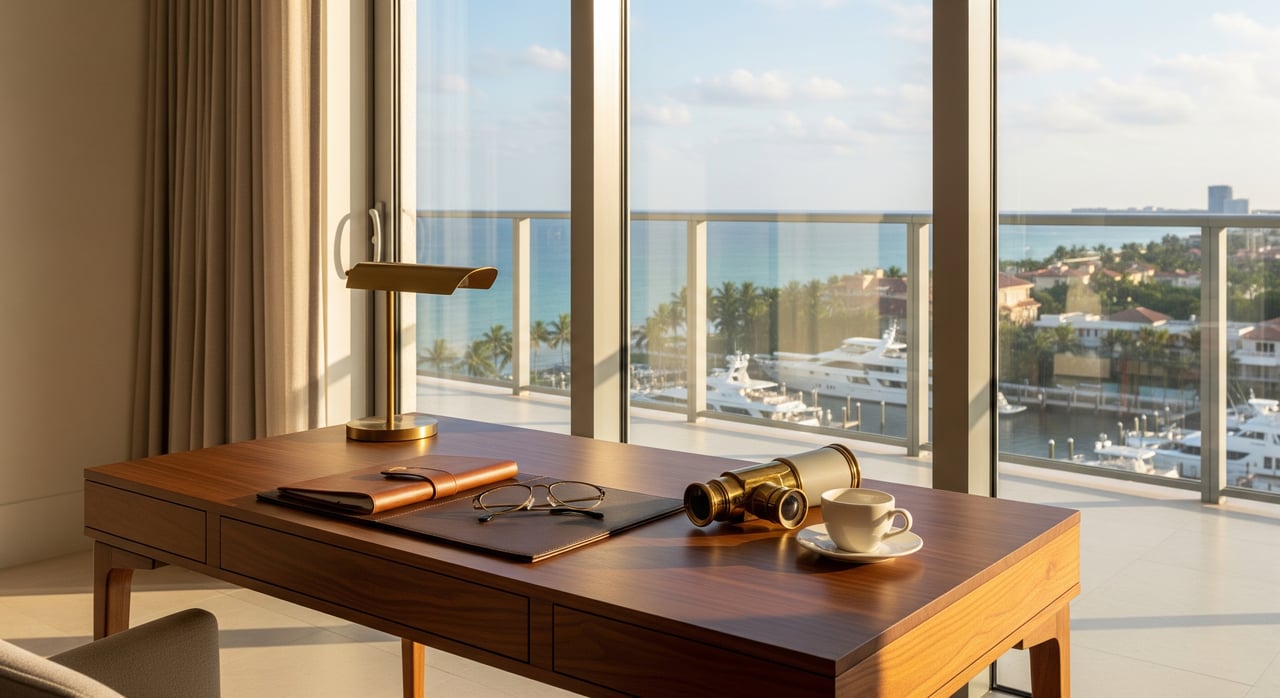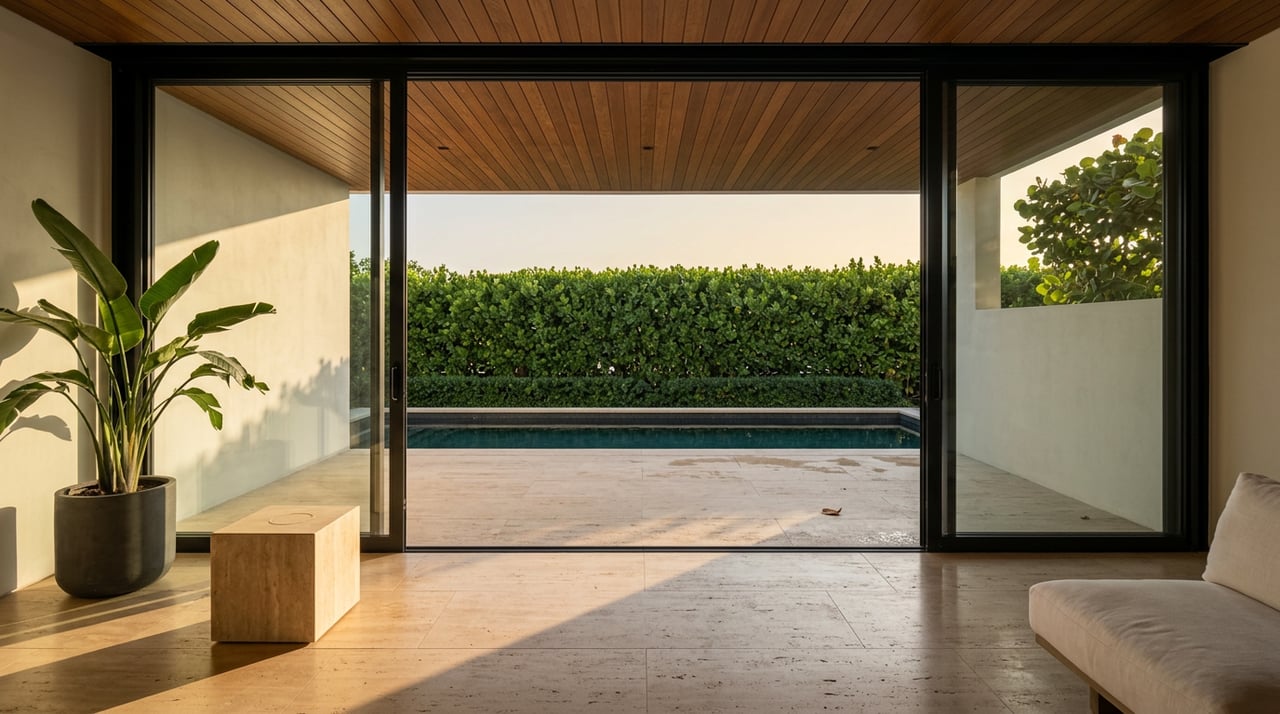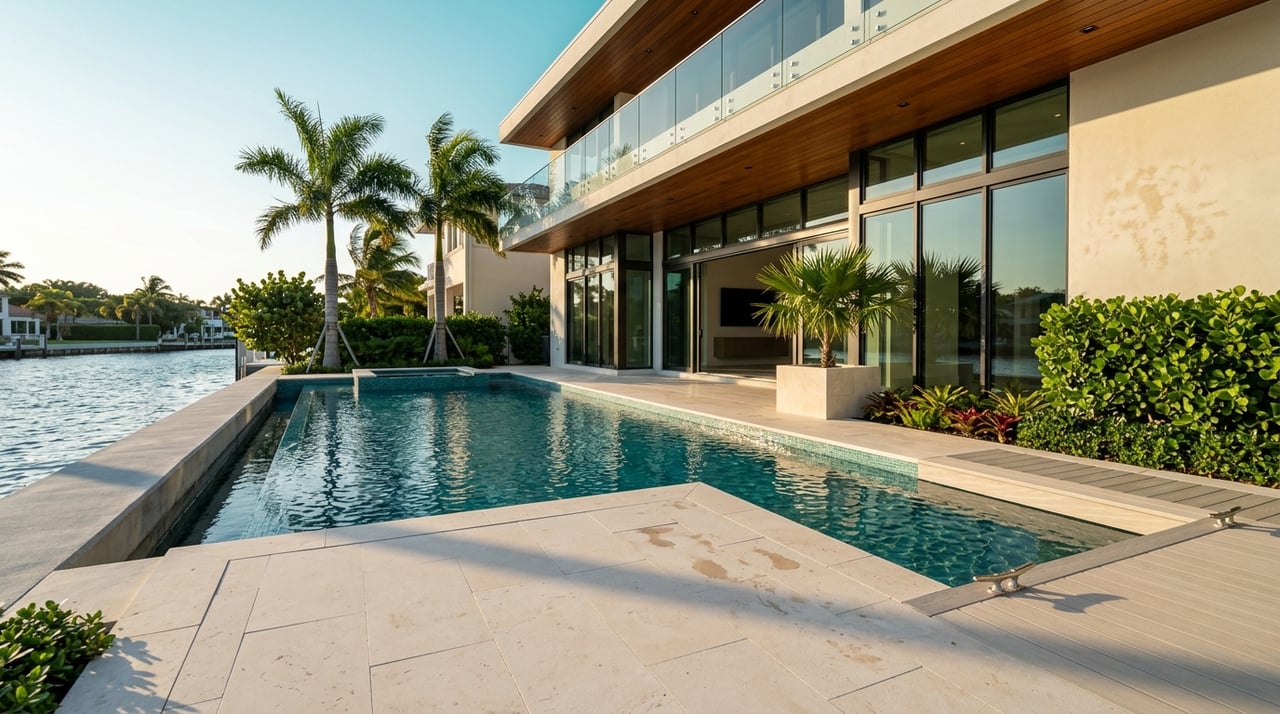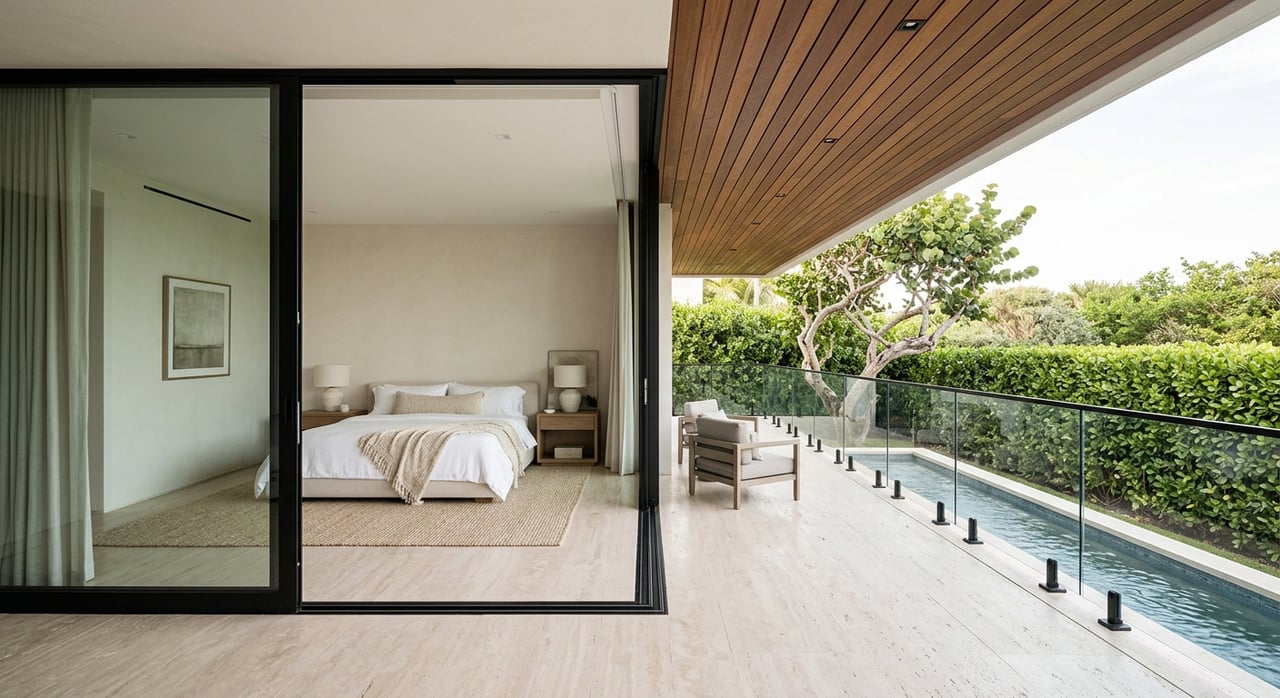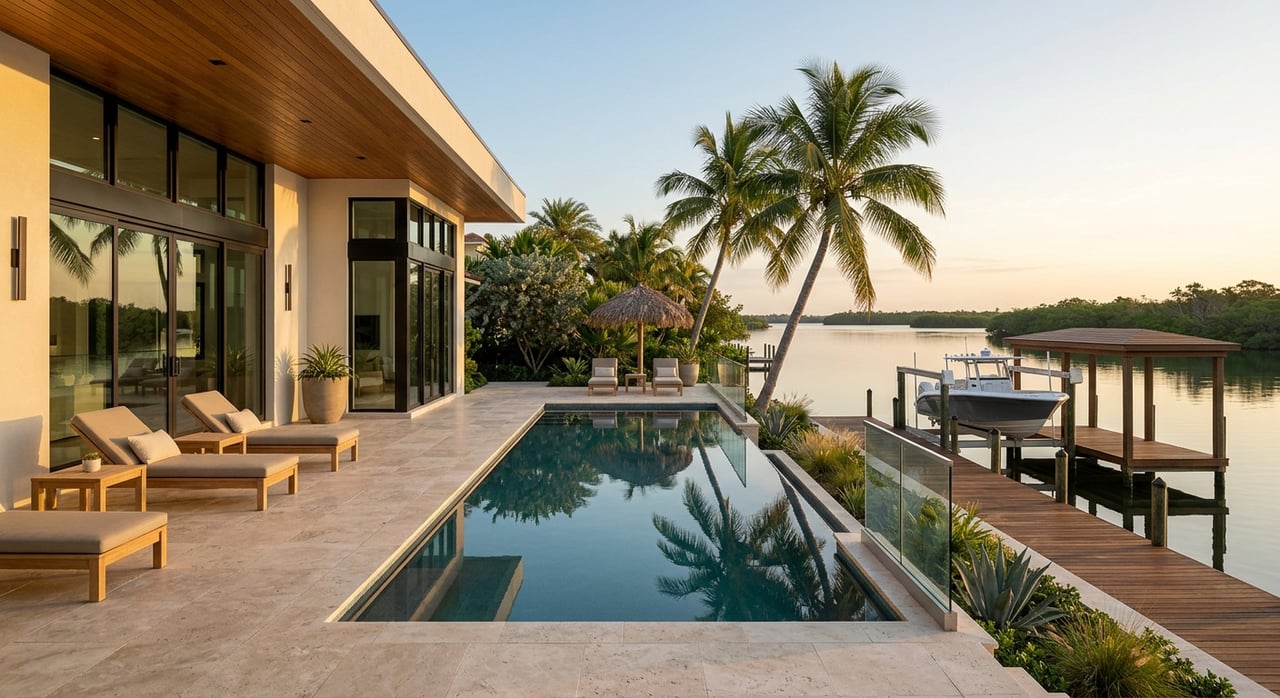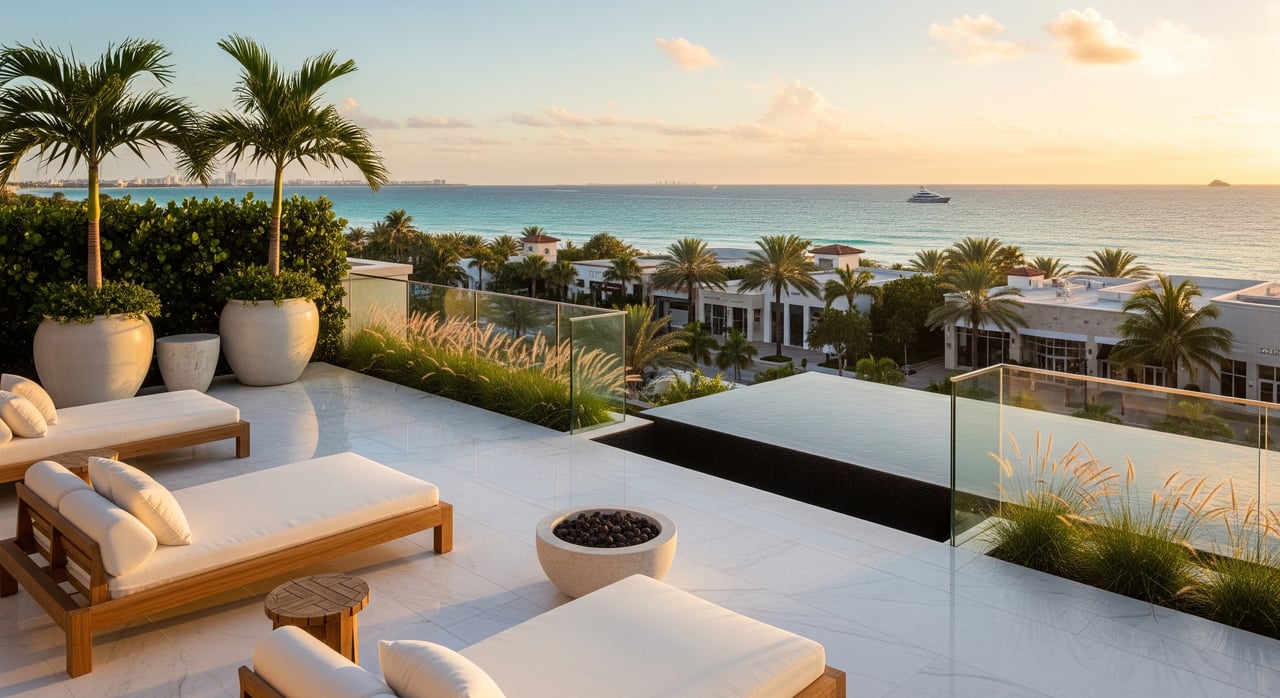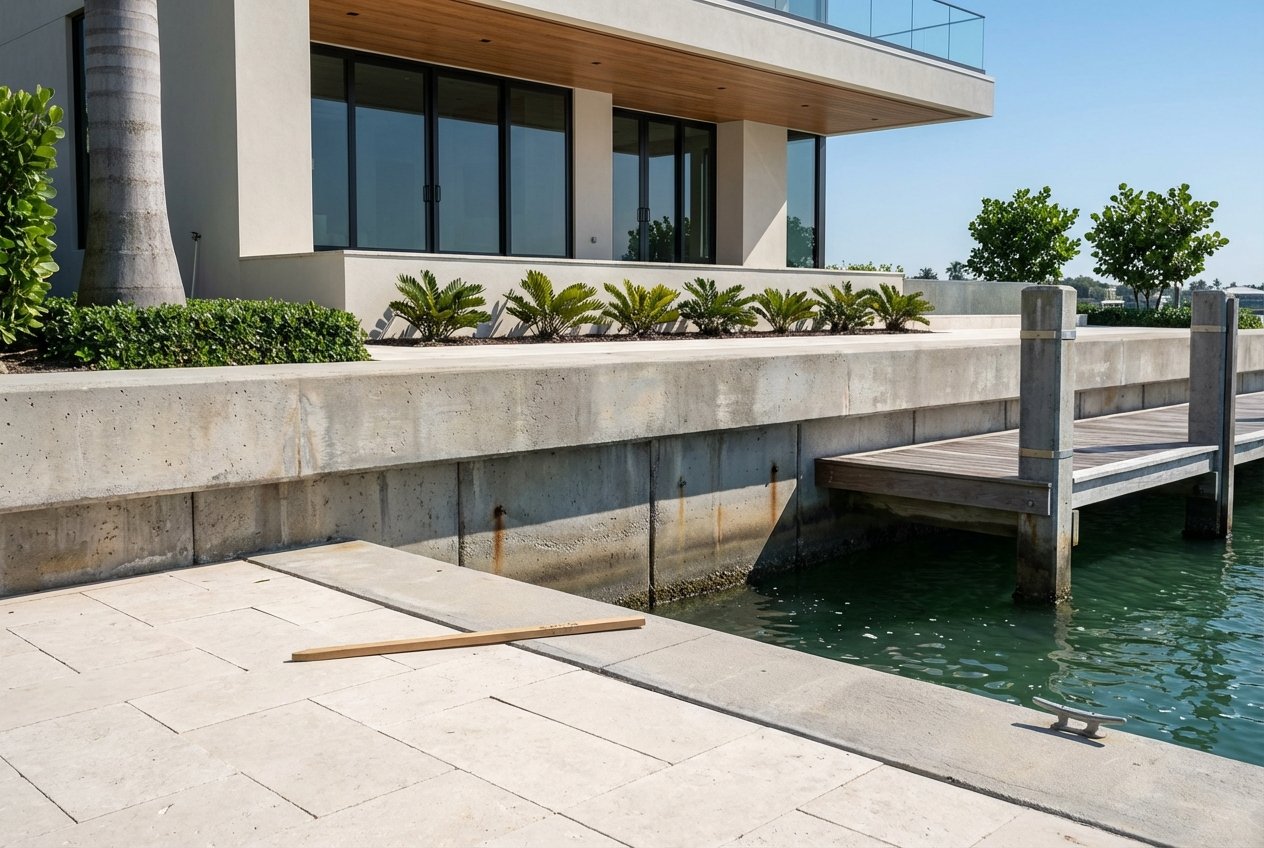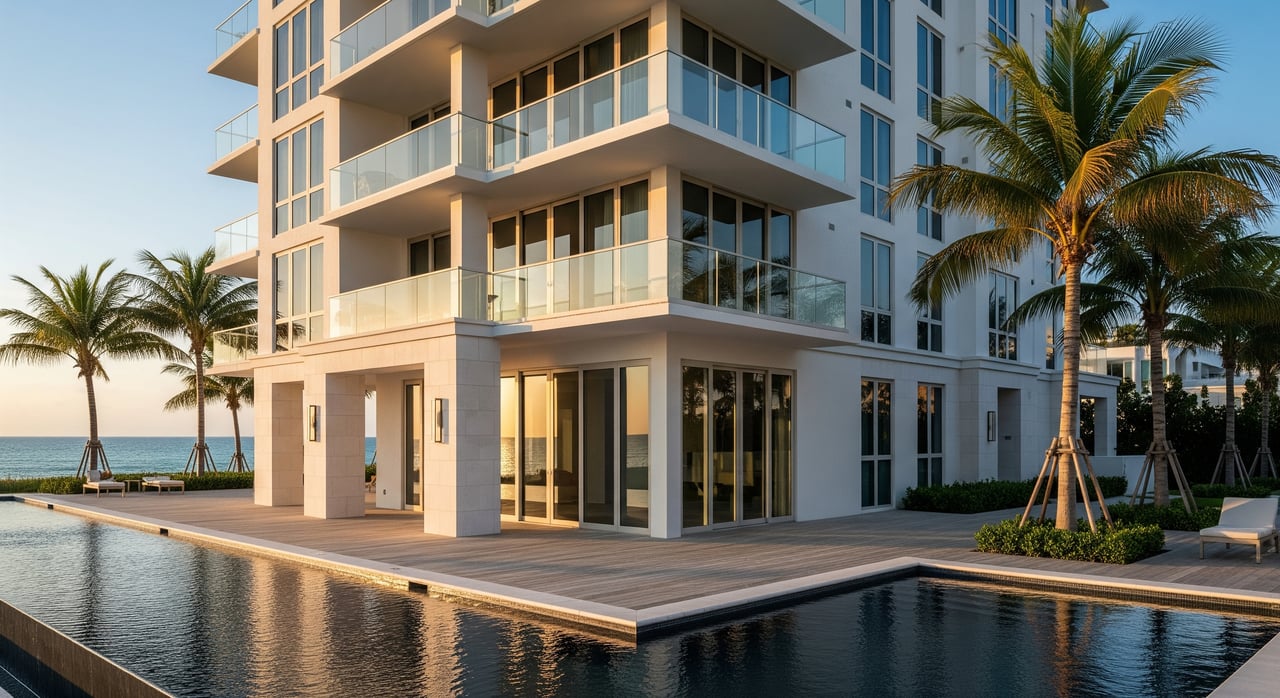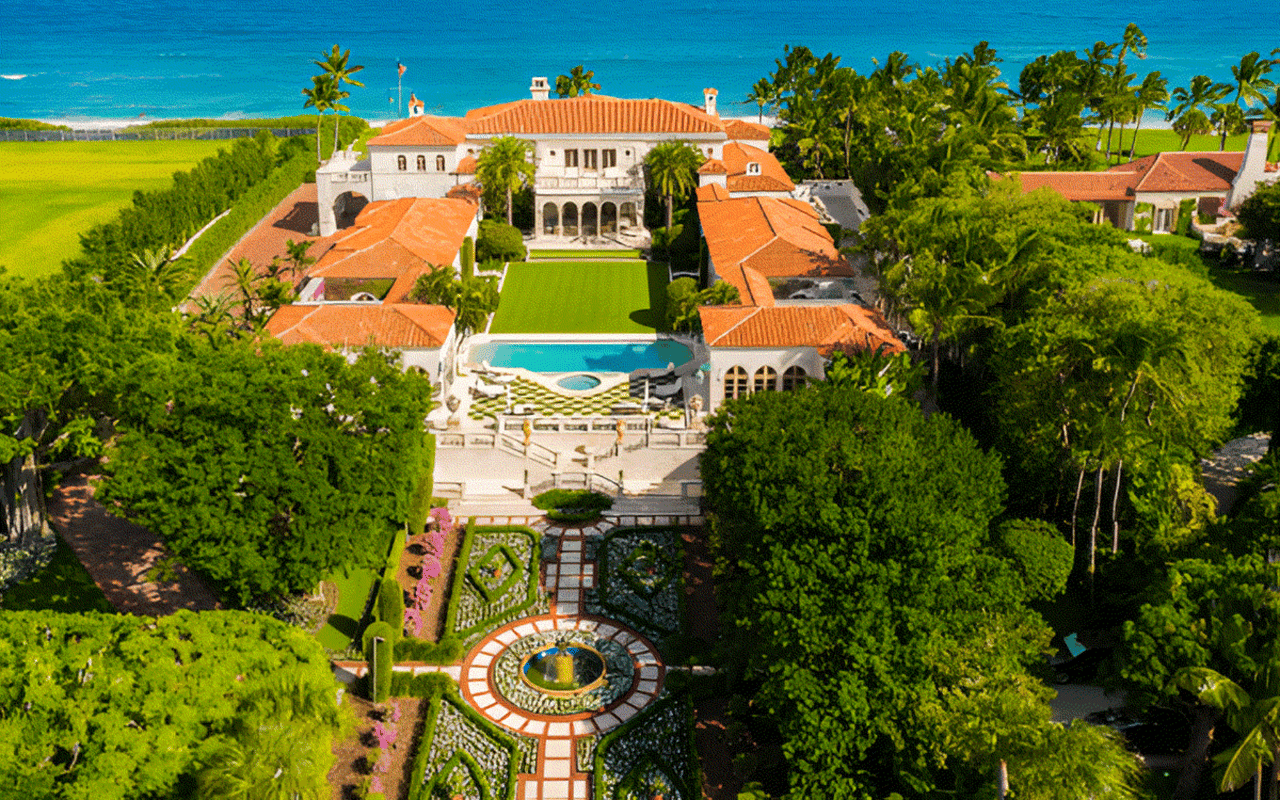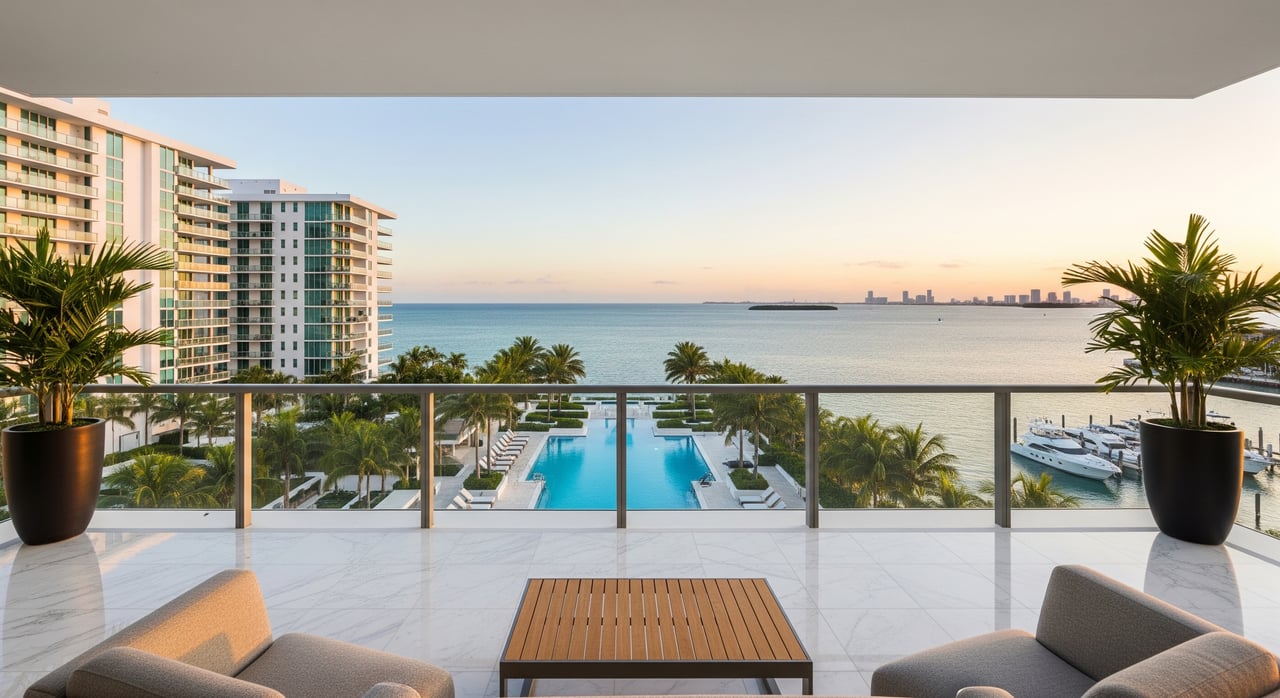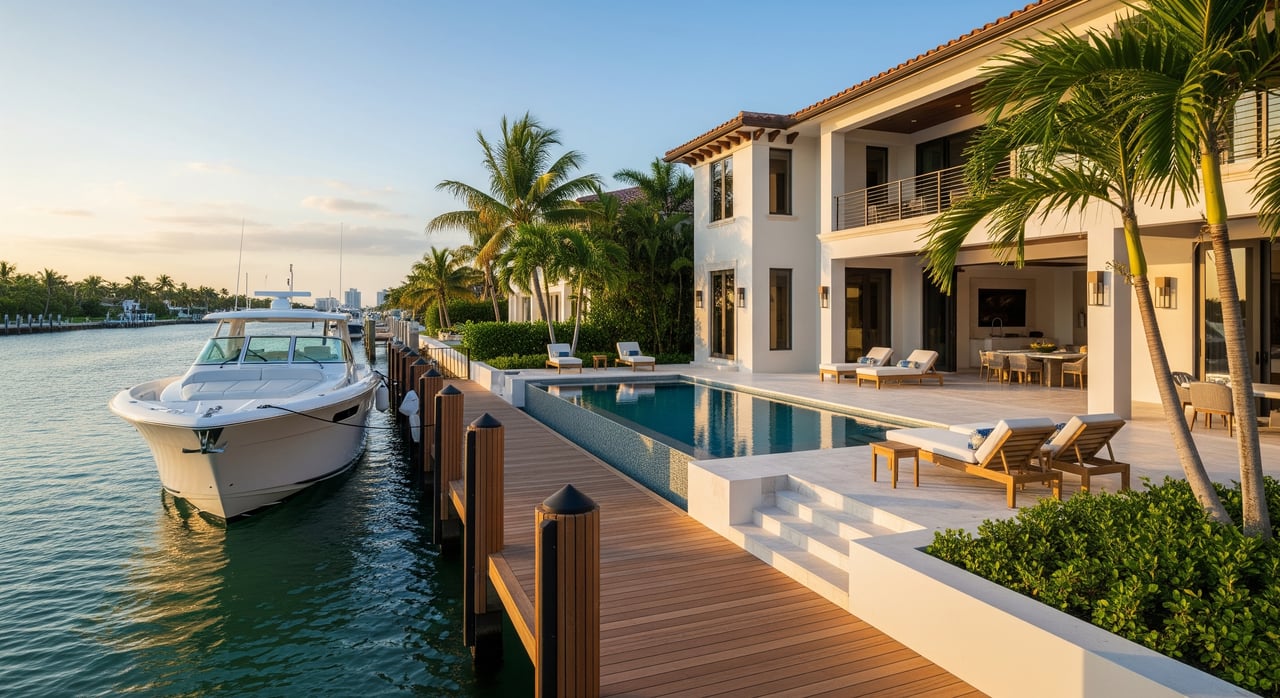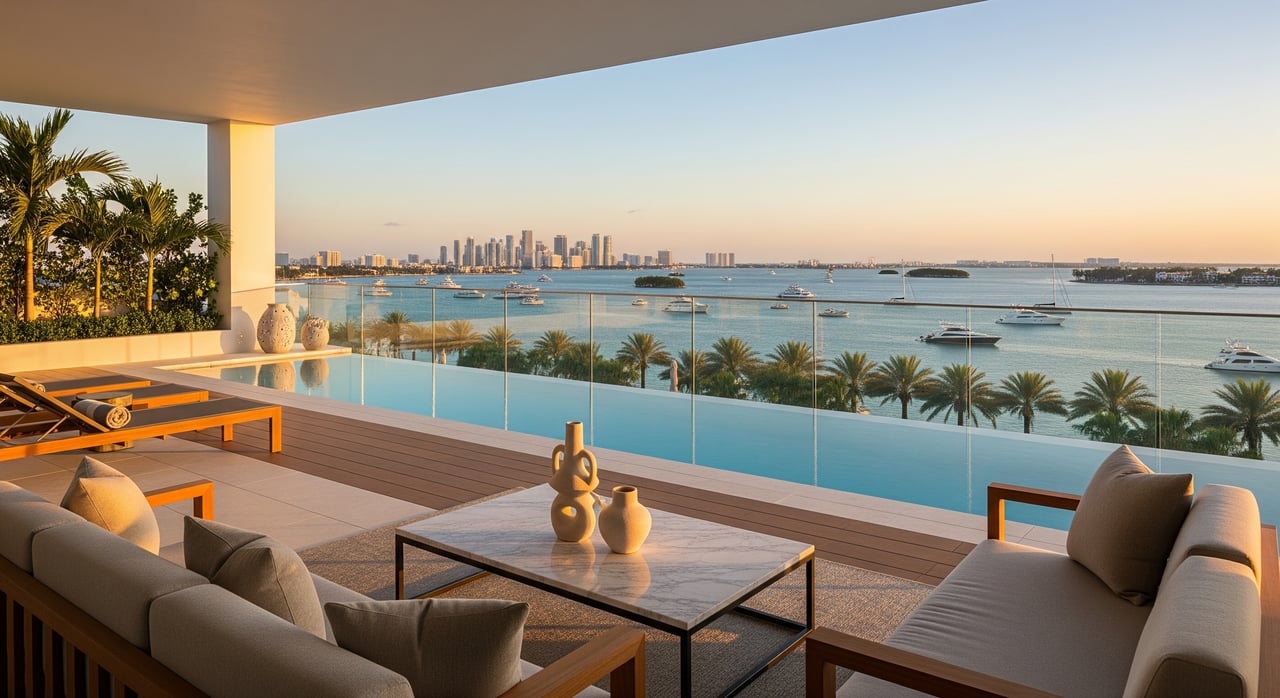
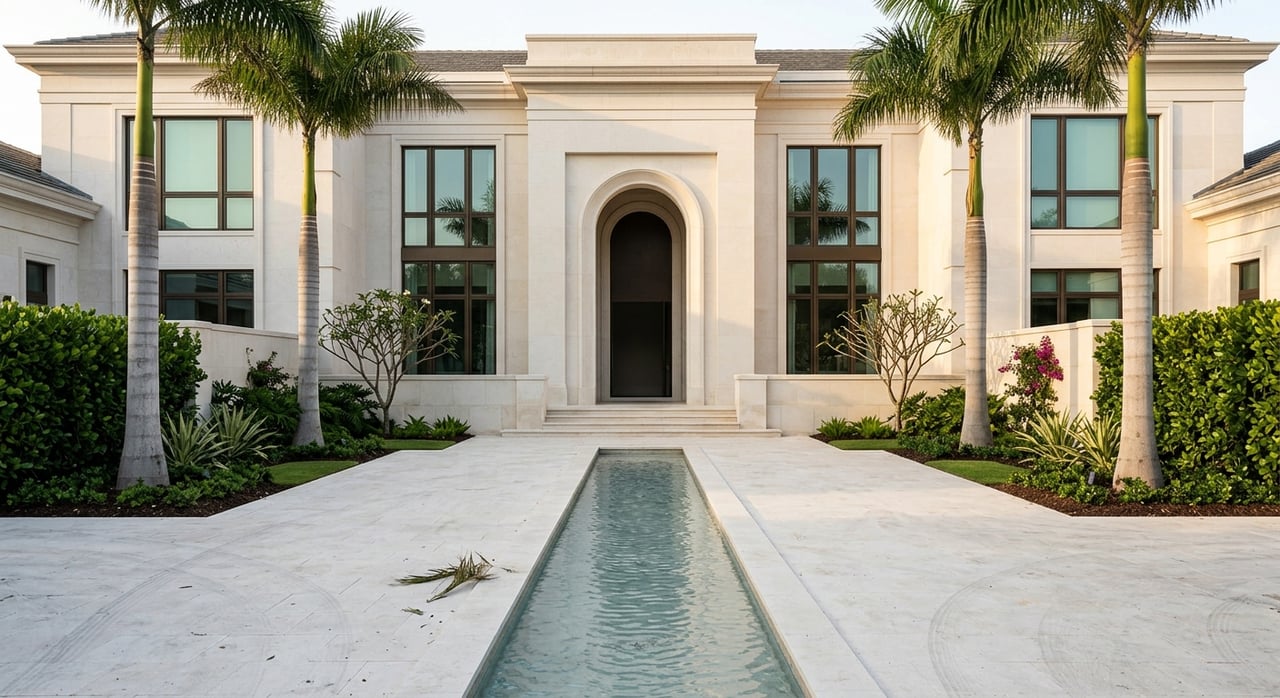
If you are trying to price an estate on Indian Creek, a quick scan of recent sales will not give you a reliable answer. This is one of the smallest and most tightly held waterfront markets in Miami-Dade, where each parcel can trade on its own logic. If you want to understand how ultra-luxury valuation really works here, the key is to look beyond simple price per square foot and study the site, the asset, and the story behind the sale. Let’s dive in.
Why Indian Creek Valuation Is Different
Indian Creek Village is a highly constrained market by design. The municipality spans about 0.46 square miles, or roughly 294 acres, and the village describes 41 platted waterfront home sites, 36 property owners, and 29 waterfront residential estates, with the Indian Creek Country Club at the center.
That scale changes everything. In a typical neighborhood, you might compare several recent sales and adjust for size, age, and finishes. On Indian Creek, the tiny supply means there may be very few relevant comparisons, and sometimes almost none.
Miami REALTORS® reported that in Q4 2025, Indian Creek had zero closed single-family sales, zero pending sales, one active listing, and 0.0 months of supply. By contrast, Miami-Dade County overall had 2,581 single-family closed sales and 6.2 months of supply during the same period.
That is why valuation here is bespoke. You are not working from a broad pool of market evidence. You are interpreting a handful of highly specific transactions in one of South Florida’s most private waterfront enclaves.
Why Standard Comps Fall Short
In most markets, comparable sales create a useful baseline. On Indian Creek, even a recent sale should be treated carefully because each estate may differ in ways that matter more than square footage alone.
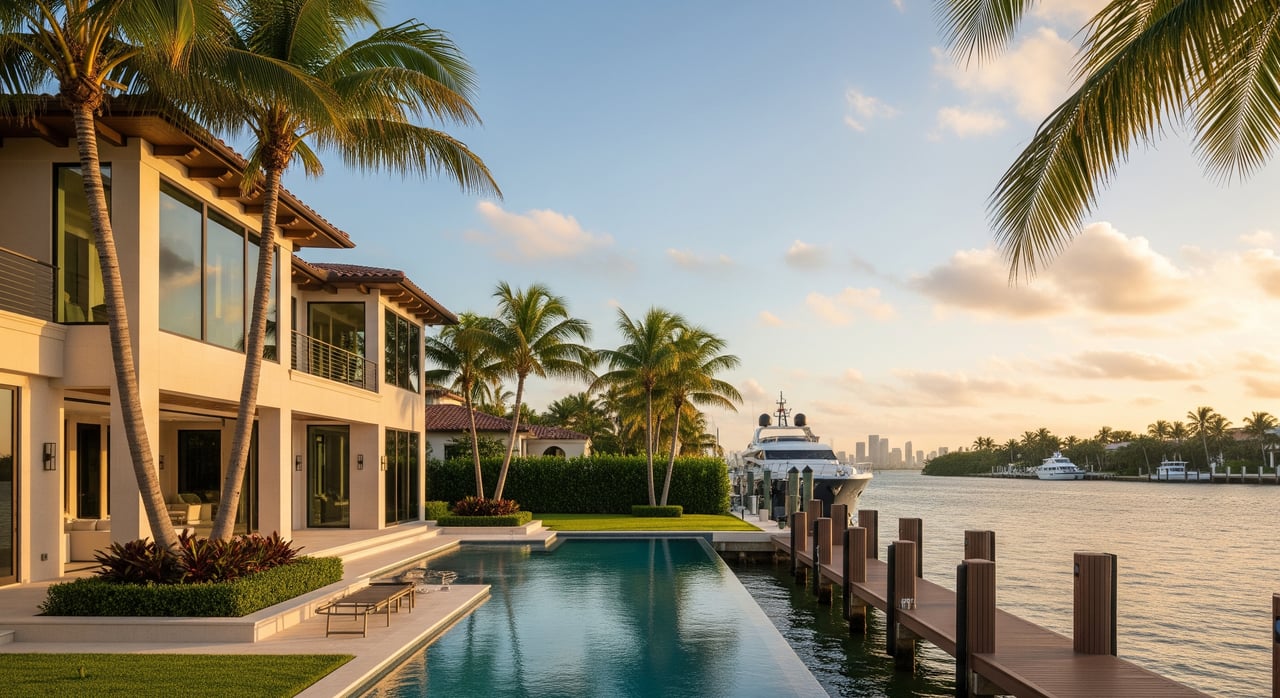
The island’s layout makes lot position unusually important. Homes are arranged along the east, south, and west shores, so value can shift based on view corridors, privacy, setbacks, and the exact relationship between the house and the water.
That means two estates with similar lot sizes can trade at very different numbers. A buyer may pay more for a parcel with a more open waterfront feel, a stronger sense of separation from neighbors, or a site that better supports a future custom build.
In practical terms, Indian Creek valuation often relies on a very small set of direct island comps, plus larger qualitative adjustments than you would normally see in a traditional appraisal discussion. The market is simply too thin for neighborhood averages to carry much weight.
Recent Sales Show the Spread
One of the clearest signs of Indian Creek’s complexity is the wide pricing spread among high-profile sales. According to Miami Herald reporting, 22 Indian Creek Island Road sold for $40 million in December 2021 on an 80,000-square-foot lot.
The same report noted that 12 Indian Creek Island Road sold for $79 million in 2023 on another 80,000-square-foot lot. Then 28 Indian Creek Road sold for $87 million in May 2024 on a similar 80,000-square-foot lot.
The price-per-square-foot math in that sequence is striking. Miami Herald calculated the 2021 sale at $500 per square foot, the 2023 sale at $987.50 per square foot, and the 2024 sale at $1,087.50 per square foot.
Those figures make an important point. Similar lot sizes do not create similar values on Indian Creek.
Another notable transaction was the off-market sale of 40 Indian Creek Island Road for $64.5 million in May 2024, as reported by The Real Deal. In a market this private, off-market deals can become part of the real pricing picture, even when they are less visible to the public.
Then came a record-setting sale in March 2026, when Mark Zuckerberg and Priscilla Chan closed on 7 Indian Creek for $170 million. The deal was described as an under-construction mansion, nearly 28,000 square feet, with 200 feet of waterfront access, and it had reportedly been listed for $200 million while still under construction.
That sale underscores something important at the top of the market. A buyer’s desire for a specific site, design vision, and delivery timeline can outweigh conventional comp logic.
What Actually Drives Value on Indian Creek
Lot Position Matters First
On Indian Creek, “waterfront” is only the starting point. The exact location of the parcel can have a major effect on value, especially when you consider privacy, neighboring home placement, and water orientation.
Because the island is so small and so limited, subtle differences can have an outsized impact. A parcel with stronger view corridors or a more favorable relationship to the shoreline may command a significant premium.
Waterfront Frontage Can Command a Premium
Frontage length is one of the clearest physical distinctions in this market. The estate at 12 Indian Creek Island Road was marketed with 200 feet of bay frontage, and the 7 Indian Creek sale also featured 200 feet of waterfront access.
In a micro-market with so few trophy sites, that kind of frontage can influence both present enjoyment and future resale appeal. It is one of the reasons buyers and advisors look closely at the survey, site plan, and shoreline conditions.
Land Value May Outweigh the House
At this tier, the residence itself is not always the main driver of value. In some cases, the land is the real prize, especially if a buyer is planning a teardown, major redevelopment, or assemblage strategy.
The Bezos purchases offer a useful example. The Real Deal reported that the 2023 purchase of 12 Indian Creek Island Road, together with the adjacent 11 Indian Creek acquisition, created 4.6 acres of contiguous waterfront land on the island.
That tells you something critical about this market. Control, scale, and future potential can matter just as much as the existing improvements.
Design and Construction Stage Matter
Architectural pedigree, finish quality, and construction status can all shape value in a major way. A finished estate, a partially complete residence, and a teardown opportunity may each attract a different buyer profile and a different pricing framework.
The March 2026 sale at 7 Indian Creek is a strong example. Even while under construction, the property traded at a Miami-Dade record level, showing that custom design ambition and buyer urgency can support extraordinary pricing.
How Buyers and Sellers Should Think About Price
If you are a seller, the goal is not to force your property into a generic comp model. The smarter approach is to build a valuation around your parcel’s specific strengths, whether that is frontage, privacy, lot orientation, renovation history, or redevelopment potential.
If you are a buyer, it helps to understand that the highest price is not always a sign of overpayment. In a market this scarce, a premium may reflect a buyer’s assessment that the exact combination of site, scale, and future potential is unlikely to come up again soon.
This is why pricing conversations on Indian Creek tend to be more strategic than formulaic. The market rewards nuance.
What to Gather for a Bespoke Valuation
A serious valuation opinion on Indian Creek should start with a detailed property packet. Because the comp set is so limited, the supporting documents become even more important.
Useful materials often include:
- Current survey
- Deed chain
- Plat or site plan
- Permit history
- Seawall records
- Dock records
- Elevation or flood information
- Renovation chronology
- Architect and designer credits
- Prior appraisals
- Any off-market offers
These items help clarify what is really being valued. They also help your broker or appraiser make more precise adjustments in a market where each estate is highly individual.
Why Discretion and Context Matter
Indian Creek is not just small. It is also private, and that affects how market knowledge travels.
Some of the most relevant pricing signals may come from limited public data, off-market sales, or properties with unusual circumstances such as redevelopment plans or unfinished construction. That makes local context and careful interpretation especially important.
For buyers and sellers, this means valuation is not only about data collection. It is also about understanding the story behind each transaction and how it compares to your specific property goals.
If you are evaluating a waterfront opportunity in one of Miami’s most rarefied enclaves, a tailored analysis can help you make decisions with more clarity and confidence. For a private, concierge-style consultation on luxury waterfront pricing and strategy, connect with Marine Rollins.
FAQs
How does ultra-luxury valuation work on Indian Creek?
- Valuation on Indian Creek usually depends on a very small set of direct island comps, plus qualitative adjustments for lot position, waterfront exposure, privacy, design, and transaction type.
Why do similar Indian Creek lots sell for very different prices?
- Sales can vary widely because value is influenced by frontage, view corridors, privacy, redevelopment potential, construction status, and the uniqueness of the parcel, not just lot size or interior square footage.
Can you use one recent Indian Creek sale as a clean comp?
- Usually only with caution, because Indian Creek has extremely limited sales activity and each transaction may reflect unique property features or buyer motivations.
Does land matter more than the house on Indian Creek?
- In many cases, land and site characteristics are especially important, and for some buyers the parcel itself may be more valuable than the existing residence.
What documents help support an Indian Creek valuation?
- Helpful documents include a survey, deed chain, site plan, permit history, seawall and dock records, elevation or flood information, renovation history, design credits, prior appraisals, and any off-market offers.