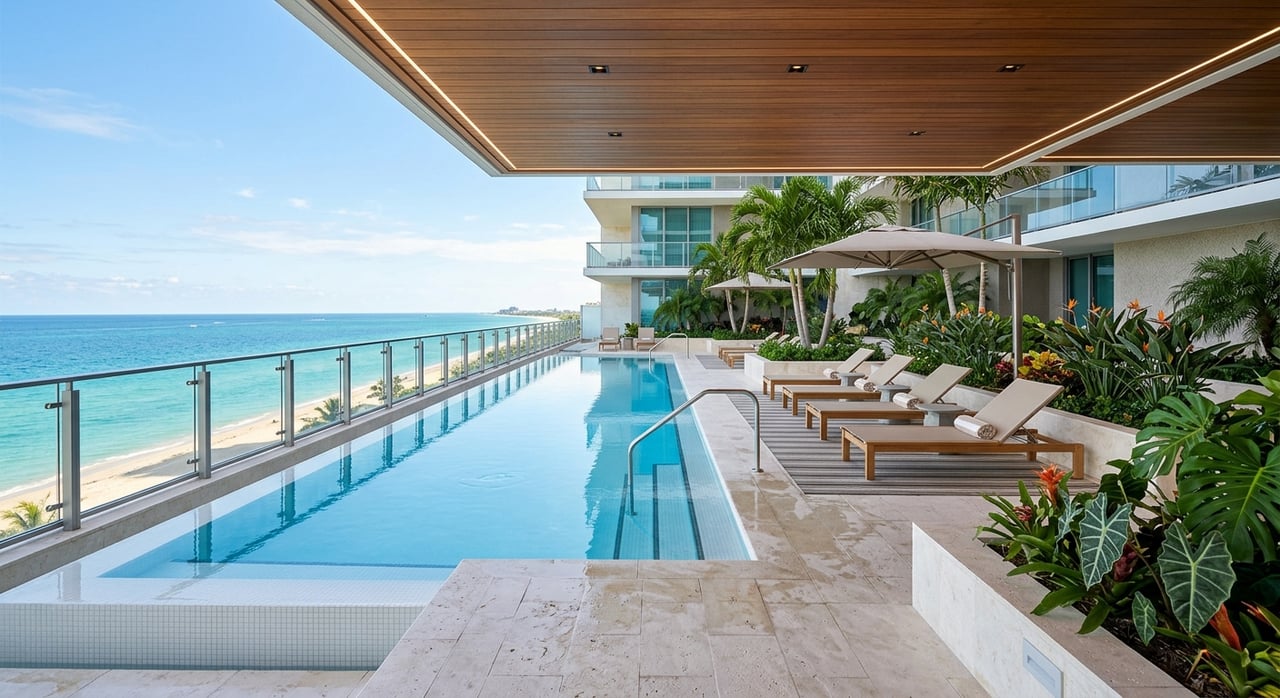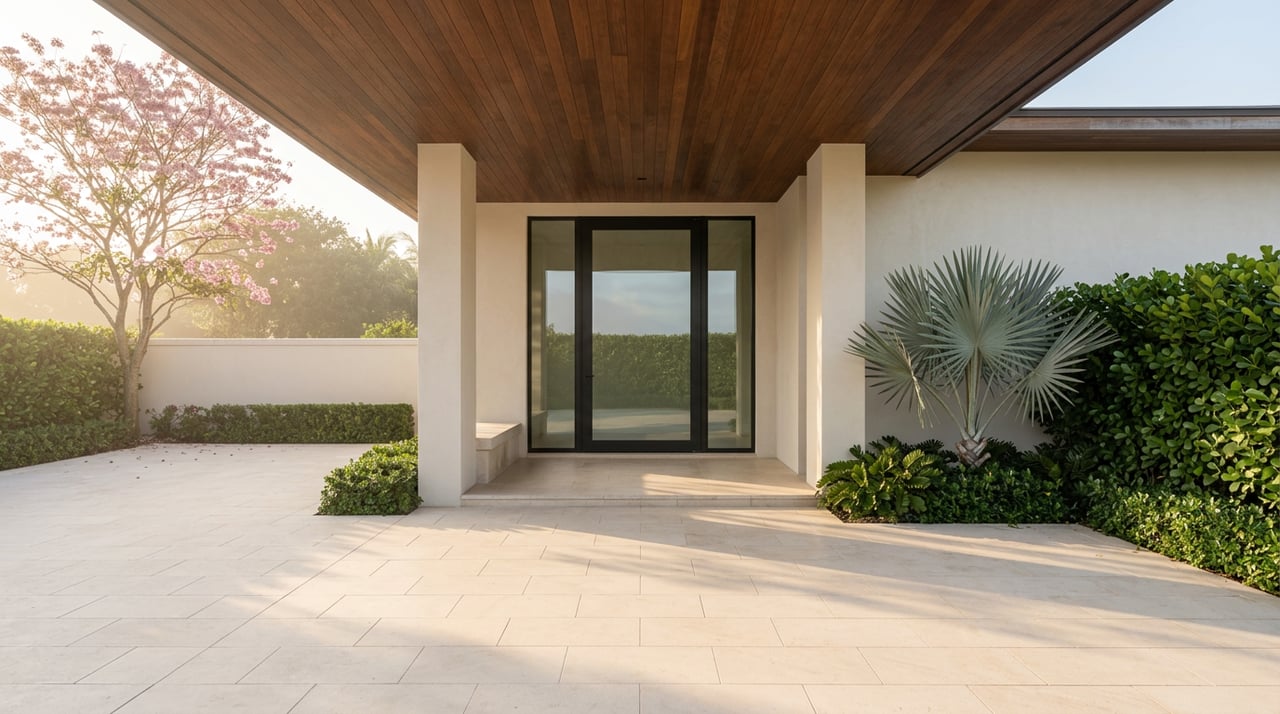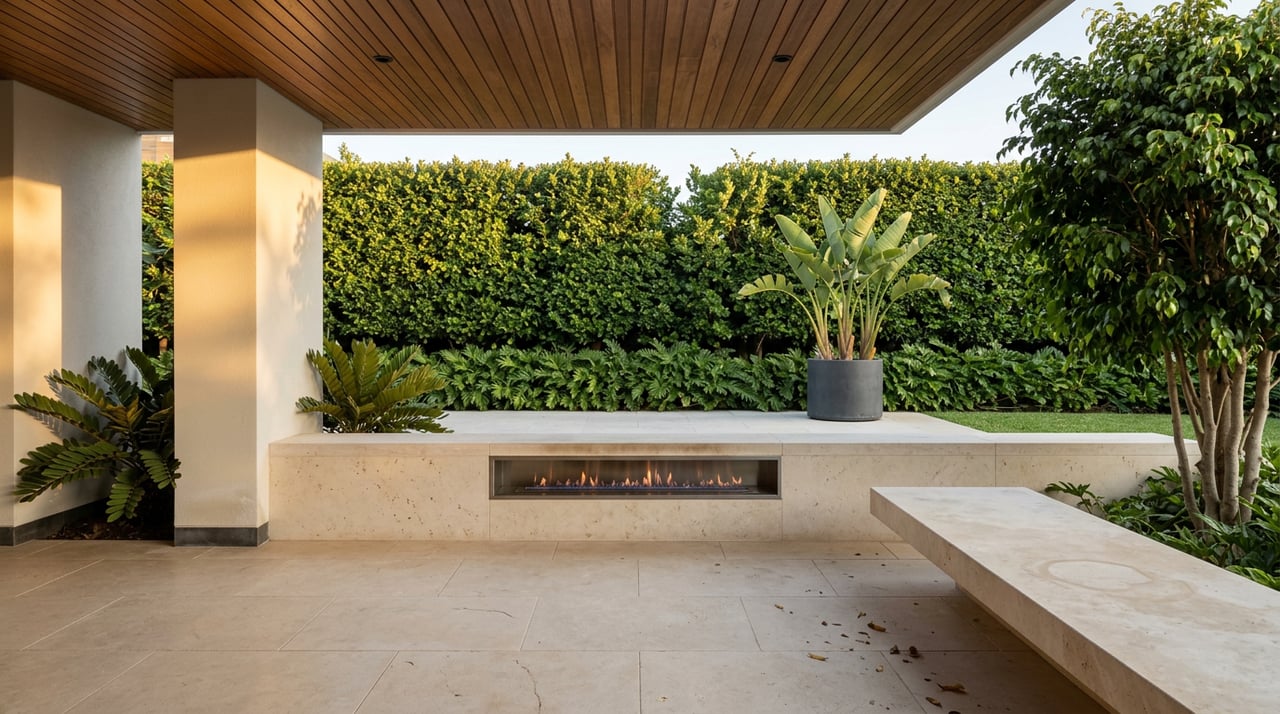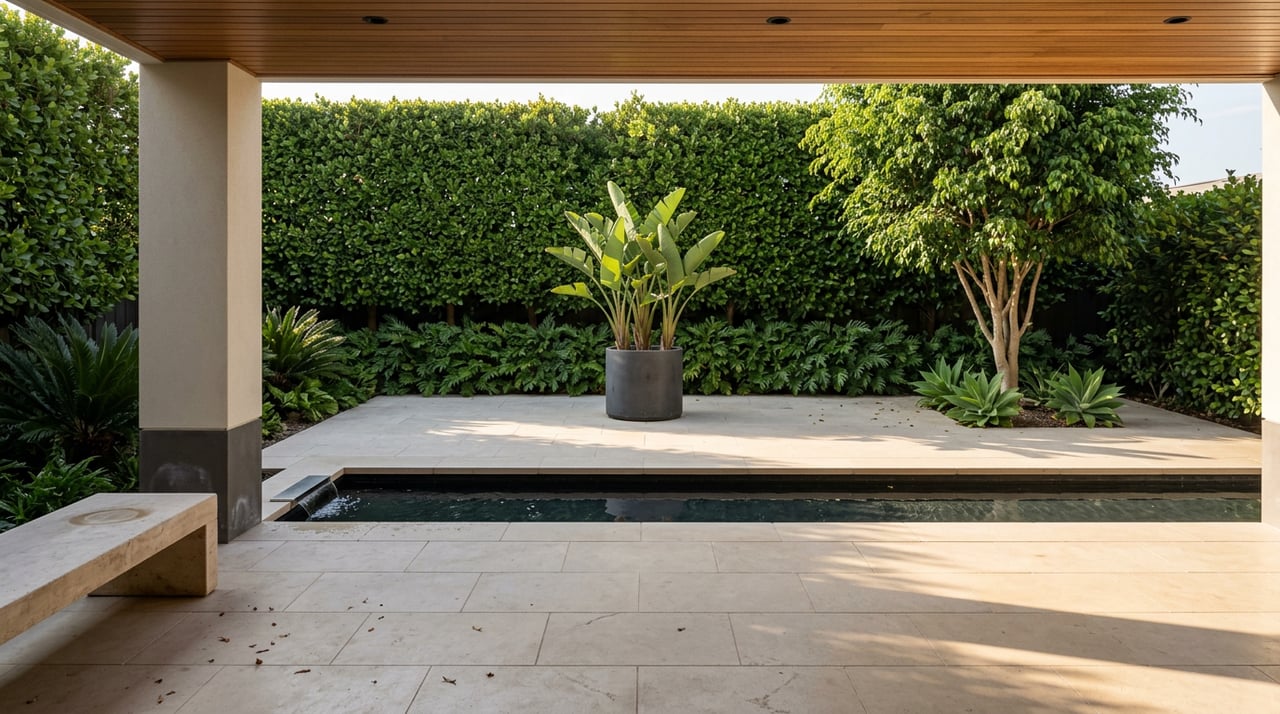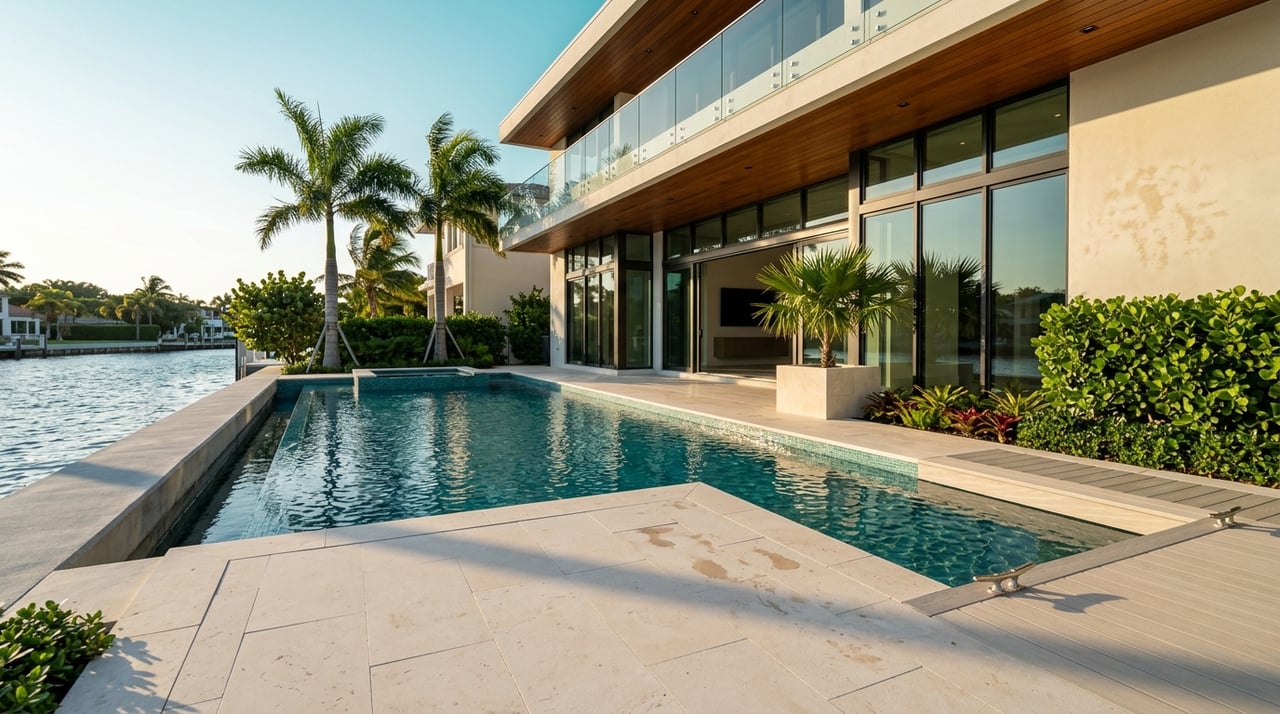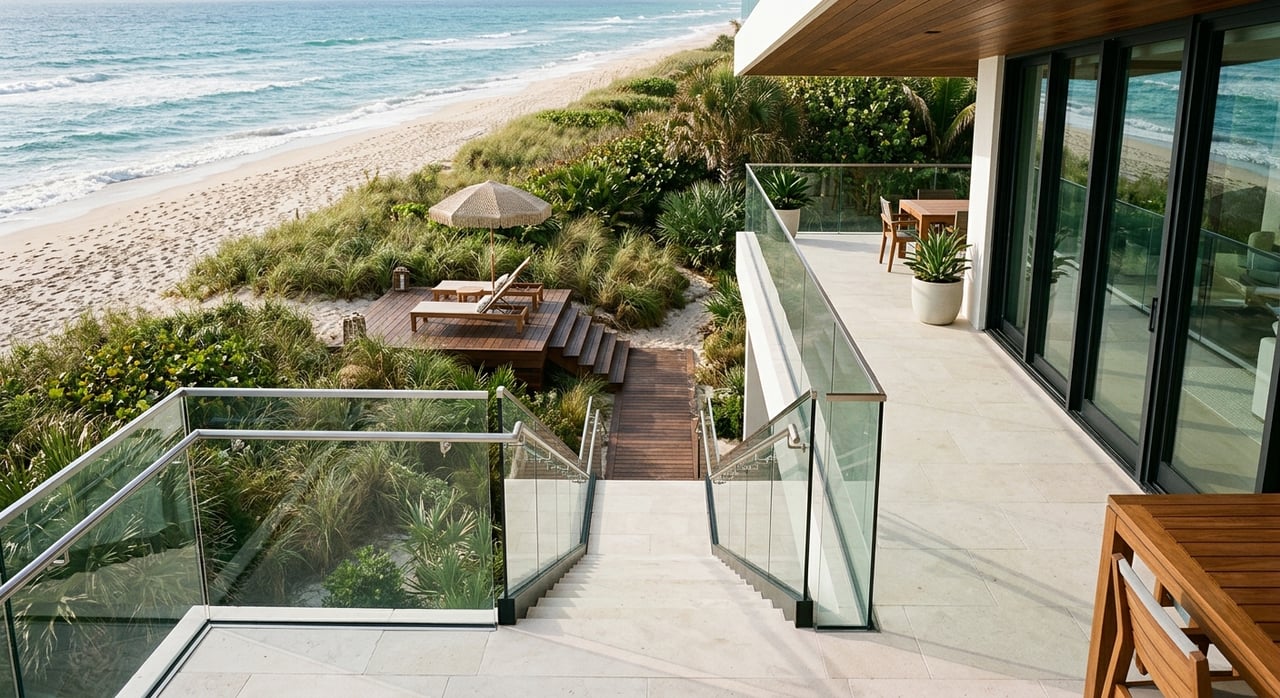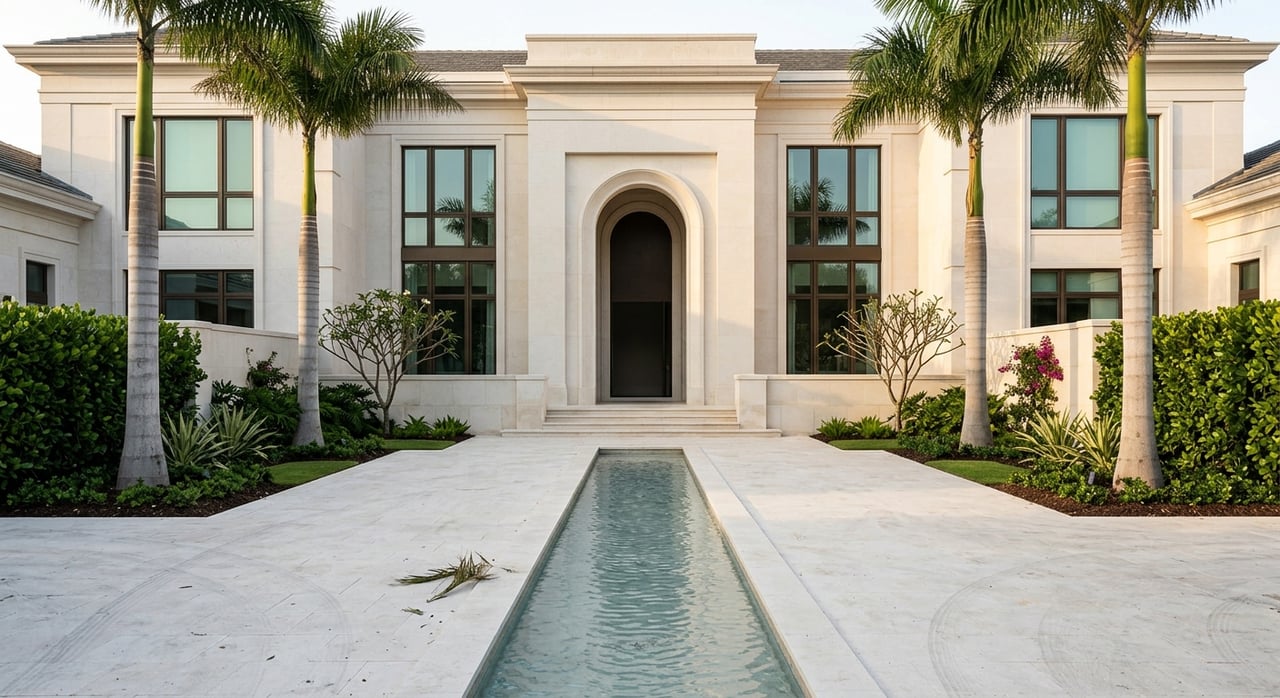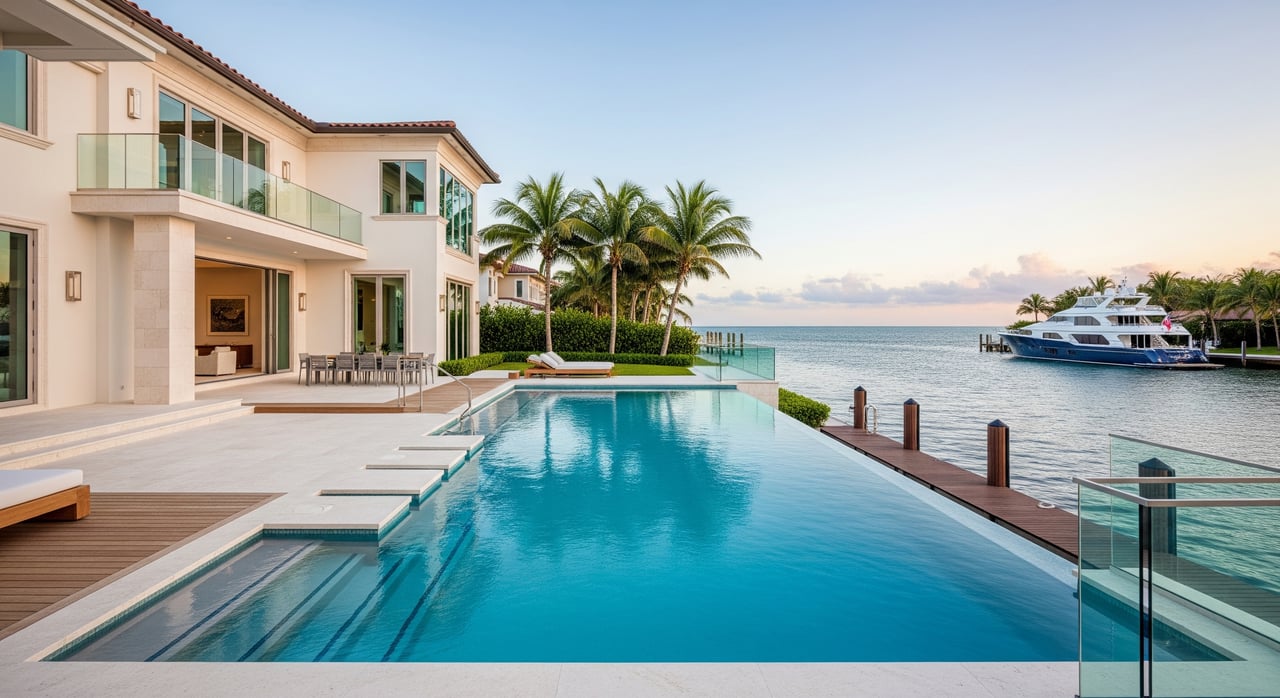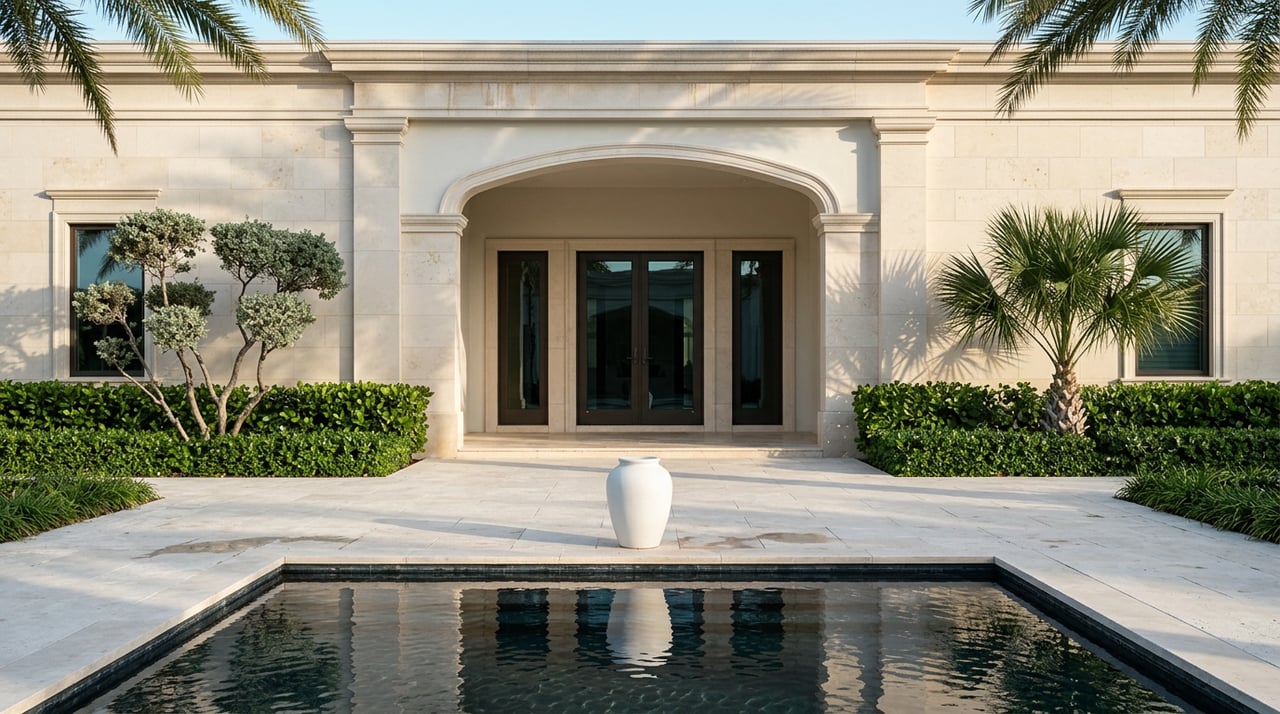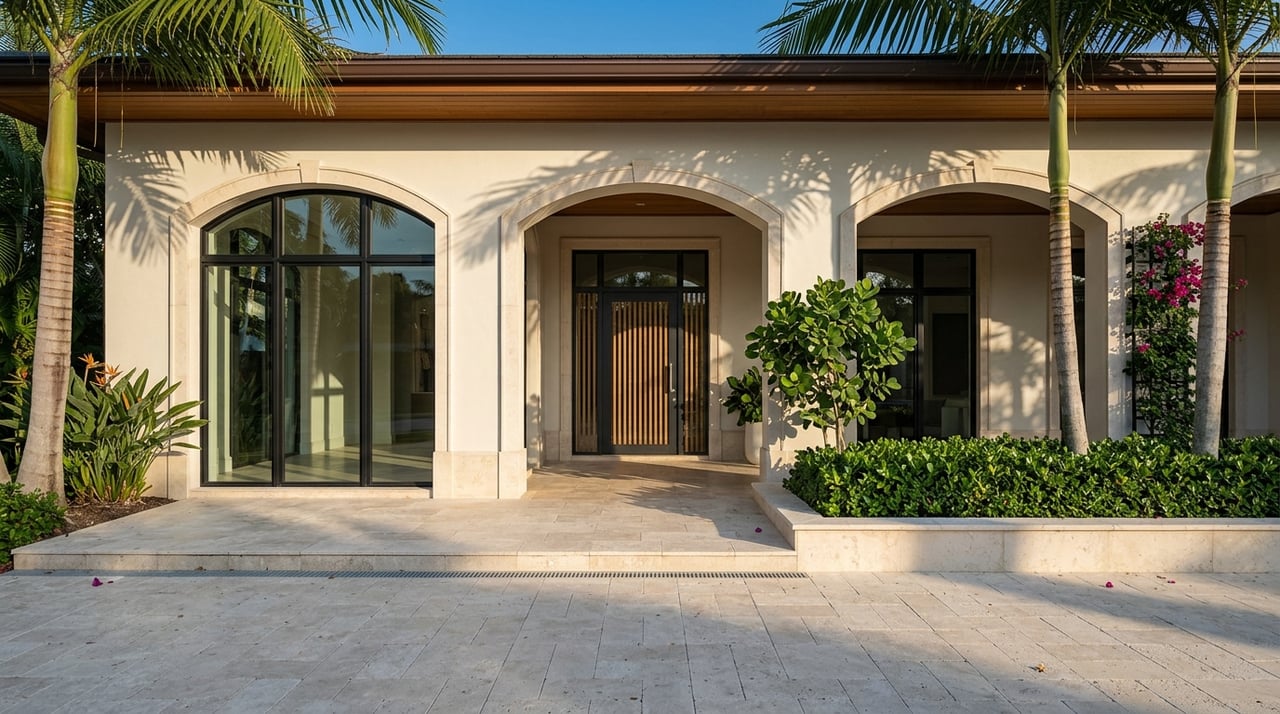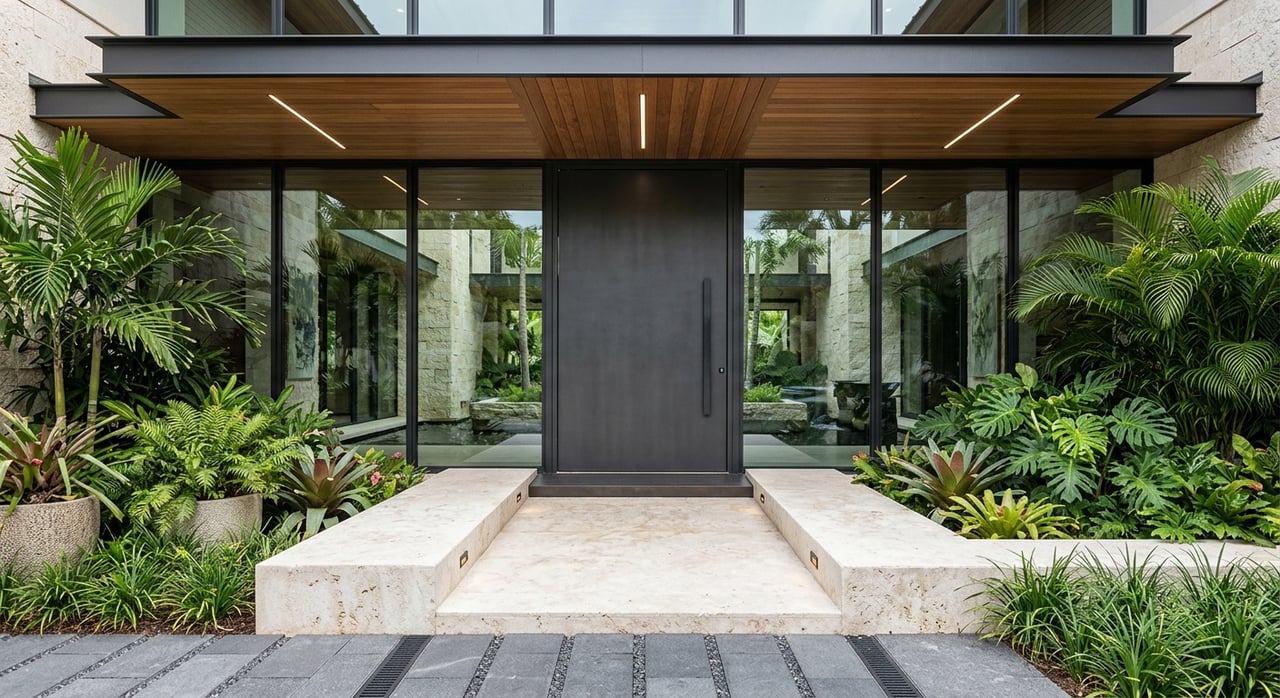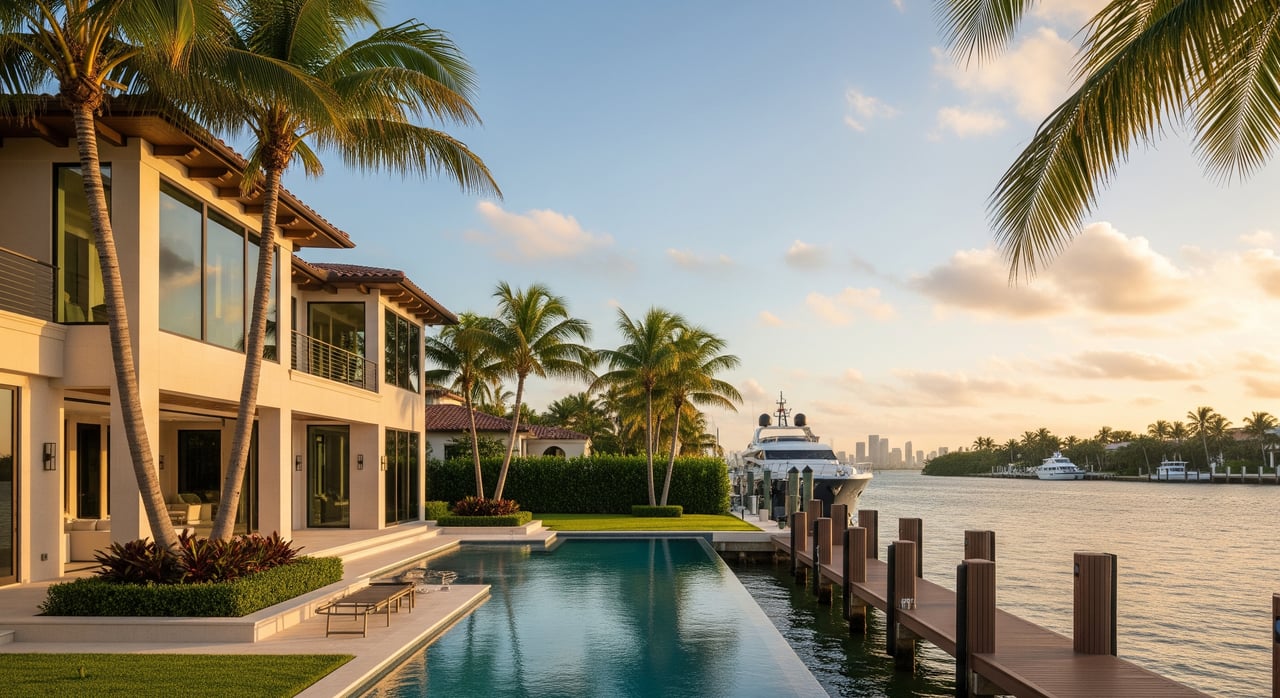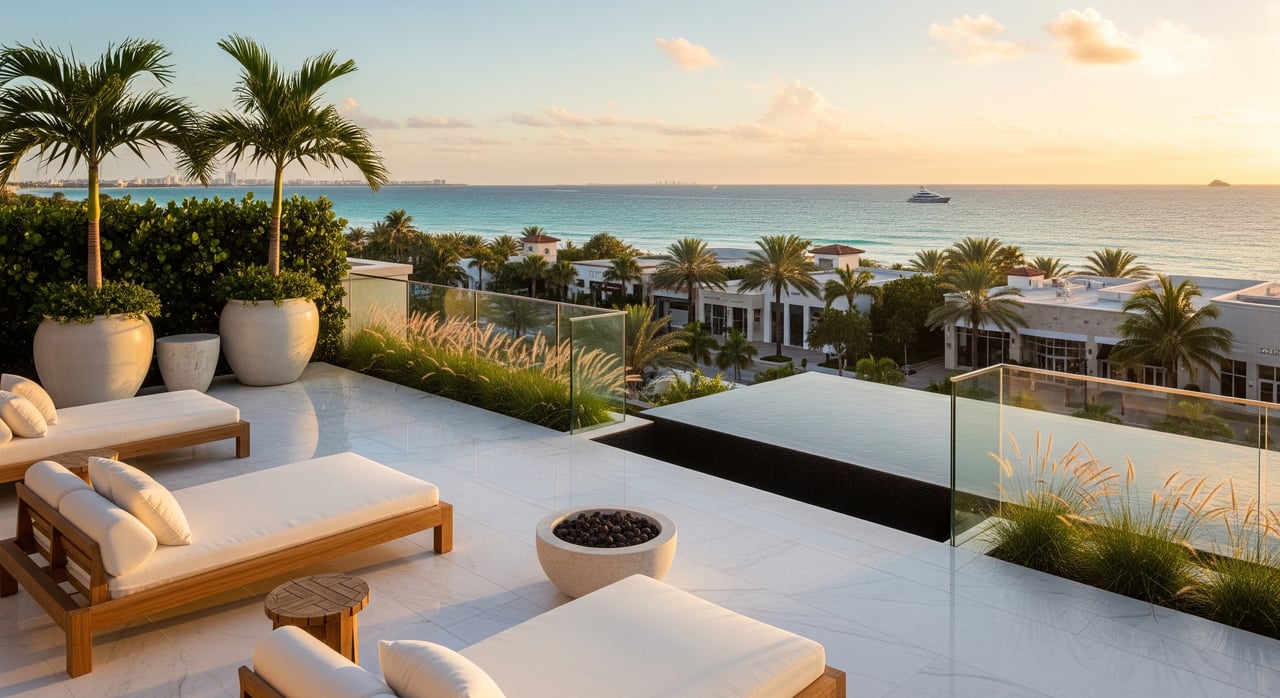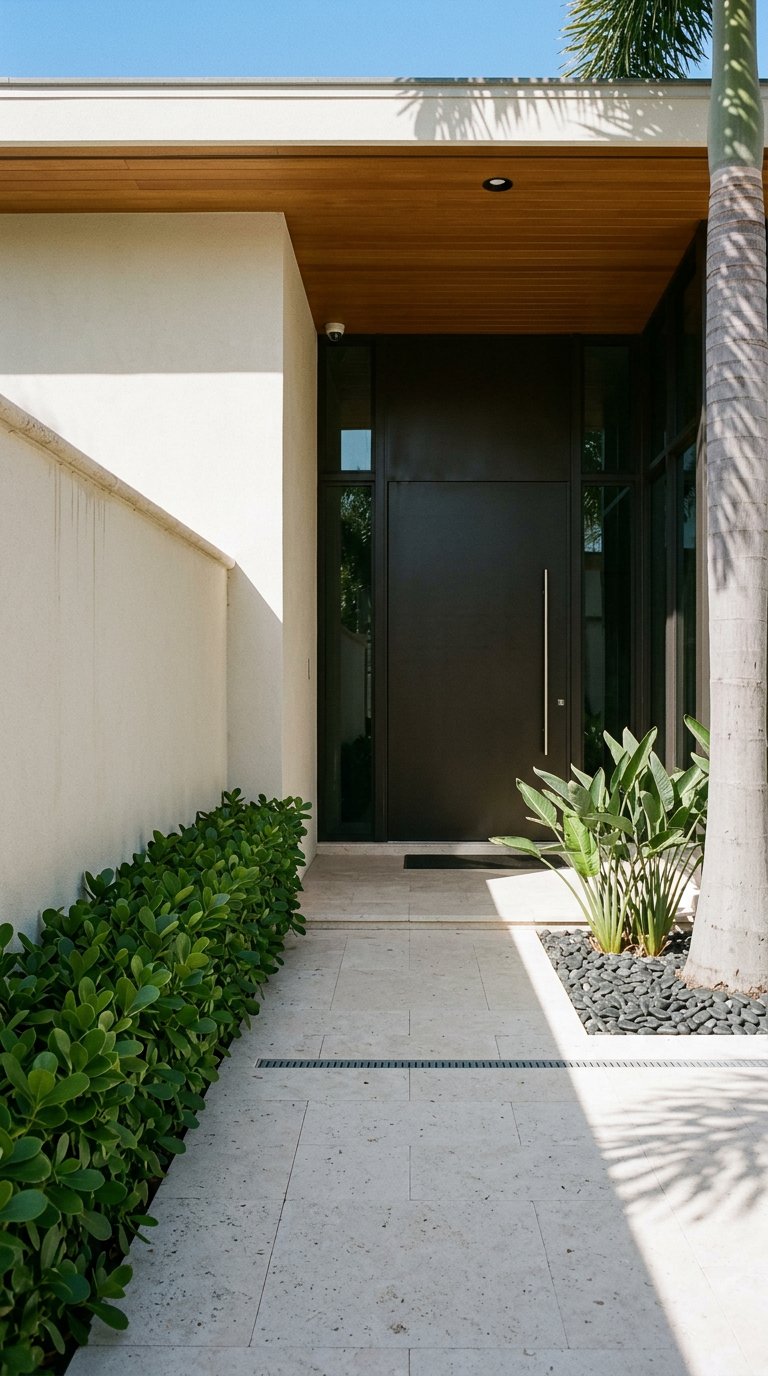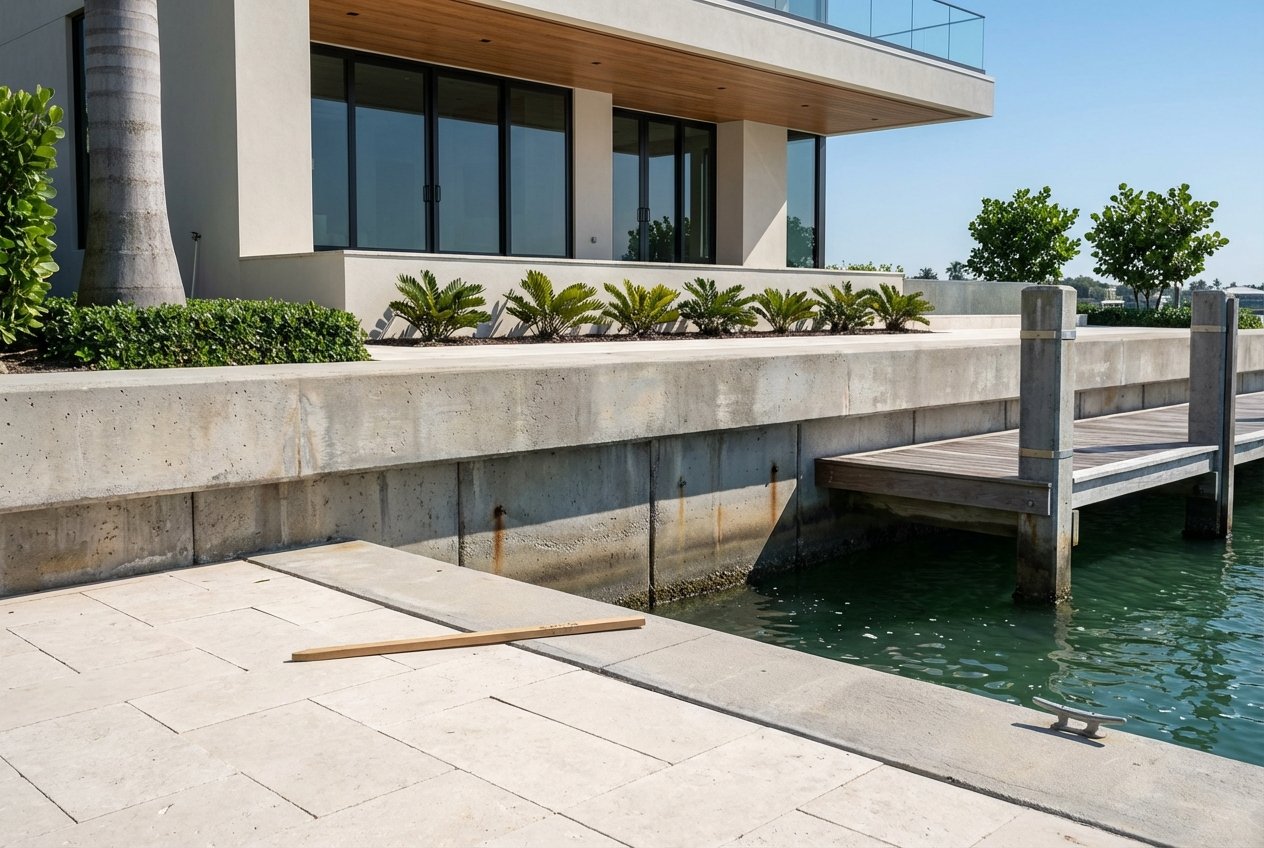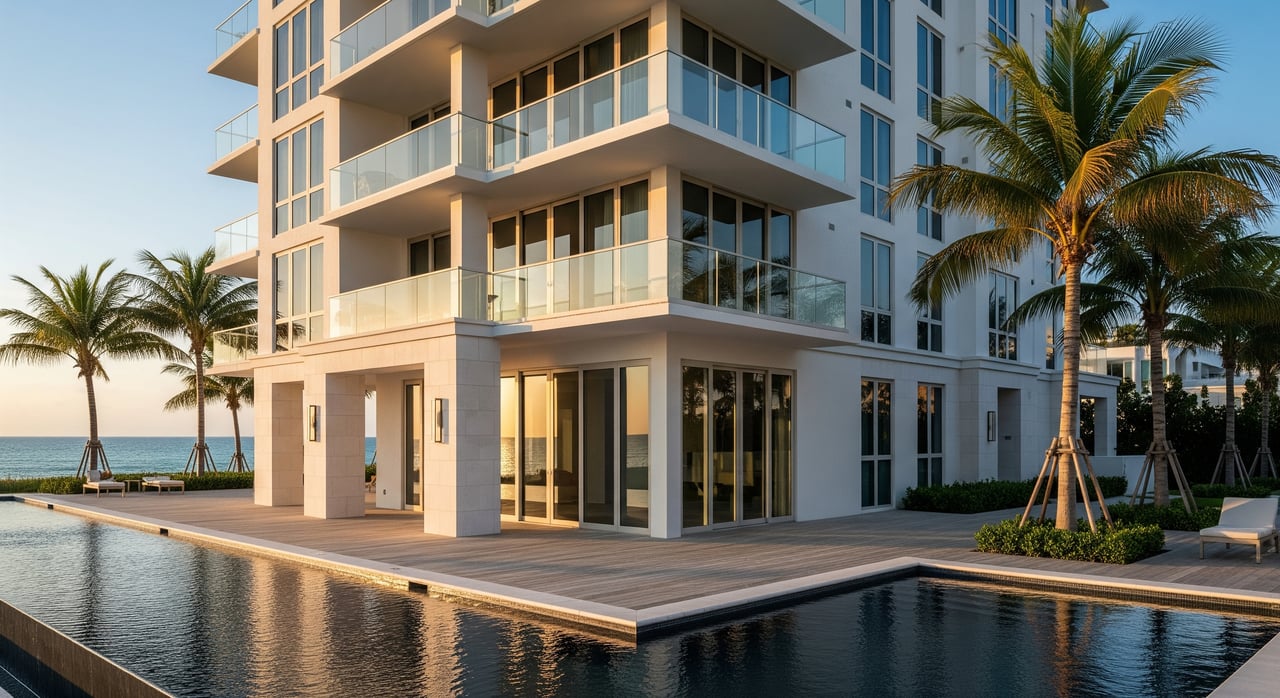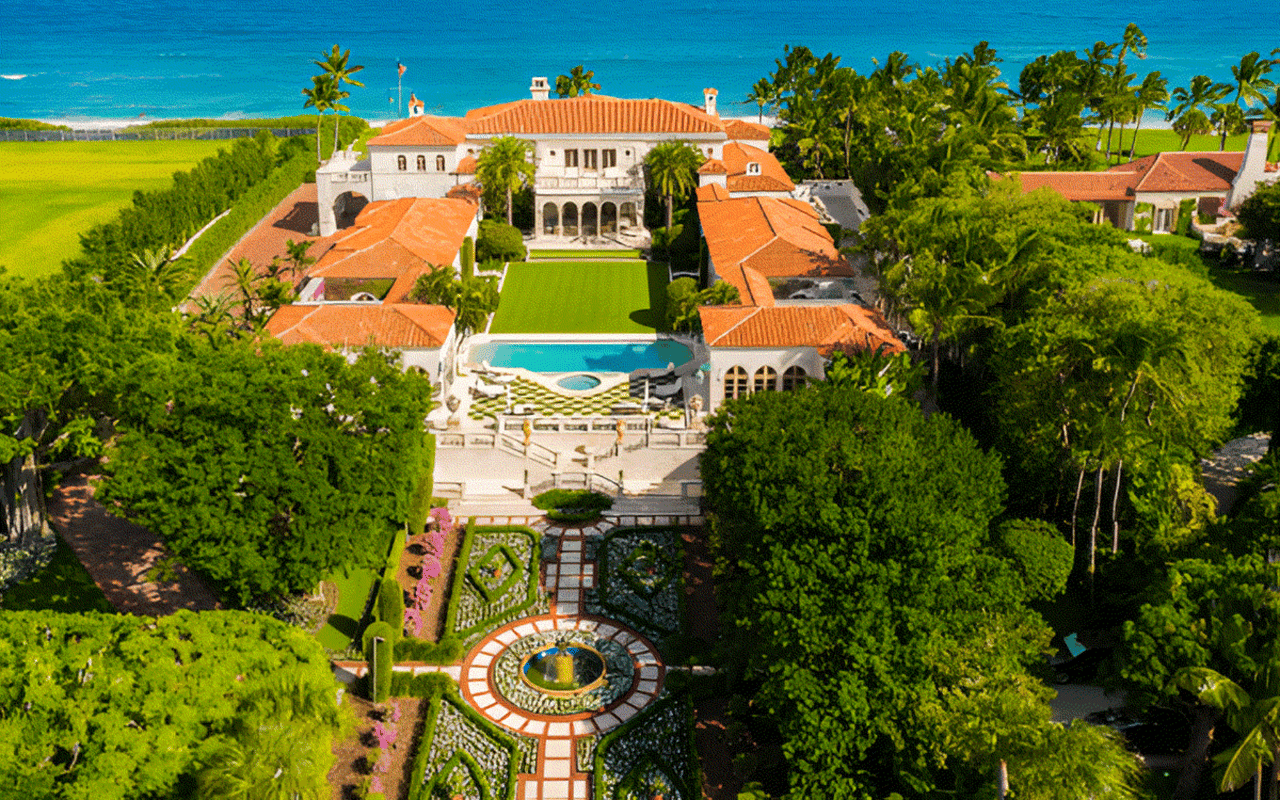
There are roughly 80 new-construction and major-renovation projects moving through permitting on Palm Beach Island at any given time. Fewer than half of them deliver on the timeline the owner started with. The reason is almost never the construction itself. It is the Town's Architectural Commission, known on the island simply as ARCOM, and the gap between what a buyer assumes about renovation timing and what the review process actually requires.
That gap does not show up in a seller's disclosure package. It shows up six months into ownership, when the design is finished, the contractor is ready, and the project is still waiting on a second or third hearing.
The Review Nobody Explains Until You're In It
ARCOM reviews and approves the exterior of any new construction, substantial alteration, or landscaping change visible from a public right-of-way. It grew out of the Town's Art Jury, formed in the 1920s with founding members that included architects Addison Mizner, Marion Sims Wyeth, and Maurice Fatio. The commission's governing ordinance still frames its purpose around a single idea: harmony between a building and the street it faces. Seven members and three alternates, all Town-registered voters, sit on it today, with at least two required to be licensed architects.
If your parcel is landmarked or sits inside a historic district, the Landmarks Preservation Commission takes over that review instead, under Chapter 54 of the Town Code, and the standards get considerably more specific about what you can and cannot change.
None of that is a secret. It is published on the Town's own planning pages. What buyers underestimate is how much time it adds and how unevenly that time falls depending on where the property sits.
What the Timeline Actually Stacks Up To
For a straightforward new single-family residence with no historic overlay, the sequence generally runs like this:
| Phase | Typical duration |
|---|---|
| Pre-application design and staff consultation | 4 to 8 weeks |
| First ARCOM hearing (preliminary approval or remand) | Varies; each remand adds 4 to 6 weeks |
| Final ARCOM hearing (detailed elevations, materials, window specs) | Follows preliminary by several weeks |
| Building Division permit review | 12 to 20 weeks, depending on backlog |
| Coastal Construction Control Line review (oceanfront parcels only) | 3 to 5 additional months, in series with ARCOM, not alongside it |
| Construction, 6,000 to 10,000 square feet | 16 to 22 months, assuming no major change orders |
Add it up on a clean oceanfront project and you are looking at four to six months from complete design documents to an issued permit, before a single shovel goes in the ground. On a landlocked parcel outside any historic overlay, that stretch compresses. On an oceanfront estate inside one, it does not.
The single most common cause of a blown timeline is not the commission being difficult. It is a scheme presented to ARCOM before it is resolved. Each remand costs another four to six weeks, and a design team unfamiliar with what the commission actually looks for tends to lose that cycle more than once.
Your Address Decides How Much of This Applies to You
Not every parcel carries the same review load, and this is where a buyer's due diligence needs to get specific rather than general.
Much of Midtown, the Sea Street area, and the El Brillo corridor in the South End sit inside a historic district, along with pockets of the Estate Section and El Cid. Anything inside one of those boundaries is subject not just to ARCOM but to the historic preservation standards in Chapter 54, where exterior materials such as stucco finish, roof tile profile, and window muntin width are reviewed to a level of specificity most contractors working elsewhere in Florida have not encountered. Additions to a contributing historic structure must be subordinate in scale and differentiated in detail. You cannot simply match the original if the original itself is considered significant.
The North End is comparatively looser, though it carries its own friction on smaller lots, where massing tends to be the point of disagreement rather than materials.
Recent ARCOM agendas give a sense of how far this review reaches. A 2025 application from the Stephen A. Wynn Florida Revocable Trust sought approval for a new beach cabana on the oceanside parcel of an existing South Ocean Boulevard estate, requiring both setback variances and special exception review before Town Council in addition to ARCOM sign-off. A separate application for a new 10,000-plus square foot residence on North Lake Way went through full commission review before construction could begin. Even commercial storefronts are not exempt: an application for exterior modifications at a Worth Avenue address, including new signage and awnings, went through the same board that reviews mansions. If a business changing its awning needs ARCOM approval, a homeowner adding a wing should not expect to skip the line.
Who Actually Pays for the Delay
Building professionals working on the island converge on a similar range: historic-district renovations run roughly 15 to 30 percent higher than comparable work on a non-historic property, with two to six month timeline extensions common. On a $5 million interior-heavy update, that percentage is not an abstraction. It is real money, and it lands on the buyer who closes on the property, not the seller who is walking away.
This is the part a purchase contract will not tell you. Disclosure requirements in Florida cover known material defects in a property's condition. They say nothing about which review track a given parcel falls into, or how many remand cycles a similar project down the street has already absorbed.
The Clock Starts at Closing, Not at Contract
Most buyers close on a Palm Beach estate before ARCOM approval and begin design work afterward. That is standard practice on the island, and there is nothing wrong with it. The tradeoff is straightforward but frequently unmodeled: the renovation clock, and the carrying costs that come with it, start the day you close, not the day you signed the contract, and not the day you imagined breaking ground.
That tradeoff matters more right now than it would in a slower market. Palm Beach Island's average home value sat near $9.8 million as of early 2026, following five-year appreciation of roughly 118 percent. The Palm Beach Daily News reported that between October 2025 and the end of April 2026, fifteen island single-family sales closed at $30 million or more, nearly double the eight such sales recorded over the same stretch the year before. One weekly market report tracking Palm Beach County contracts above $3 million counted thirteen signed in a single week in late June 2026, totaling $114 million in asking volume at an average of $1,437 per square foot.
When a market moves at that pace, buyers move quickly too, sometimes quickly enough to skip the one conversation that would have saved them months: a pre-application dialogue with Town staff before the ink is dry. That dialogue is available to anyone, but it is easiest to arrange before you own the parcel, particularly through an off-market approach where a seller is willing to let a serious buyer engage with the Town in advance. The overlay itself does not change based on how the property came to market. What changes is whether you had the time to ask the right questions first.
Before You Write the Offer
A few checks are worth running before you commit to a renovation timeline in your head, let alone on paper:
- Confirm whether the parcel sits inside a historic district or carries an individual landmark designation. More than 328 properties, sites, and vistas are currently protected under the Town's Historic Preservation Ordinance, and the Landmarks Preservation Commission meets monthly to review changes to them.
- Ask what an ARCOM approval already on file for the property is worth. Approvals expire 24 months from the date of the rendered decision if a building permit has not been obtained, so a prior owner's approved scheme may already be dead.
- Separate carrying costs during design and review from your construction budget. They are not the same expense, and treating them as one is how projects run over.
- If you are comparing Palm Beach Island to nearby markets, know that Boca Raton has no town-wide architectural commission. Review there runs through HOA-based architectural boards inside individual communities, which is a materially different process with different timing.
A Few Questions Worth Asking Directly
Can I close before ARCOM approves my renovation plans? Yes, and most buyers do. The tradeoff is that your carrying costs during design and review become your responsibility from the day of closing forward.
Does buying off-market change any of this? The review requirements are identical regardless of how the property reached you. What off-market access can offer is time: the ability to open a pre-application conversation with the Town before you own the parcel, rather than after.
Is the North End really easier than Midtown? Generally, yes, in terms of historic overlay. It is not free of friction, though. Smaller lots there tend to run into massing objections rather than material specifications, which is a different conversation with the commission, not necessarily a shorter one.
If you are evaluating a Palm Beach estate with renovation in mind, the purchase price is only part of the math. The other part lives in a review calendar that a listing sheet will never show you. Marine Rollins works this market building by building, and knows which addresses carry a lighter review load and which ones are worth the wait. Schedule a private waterfront consultation before you write the offer, not after.