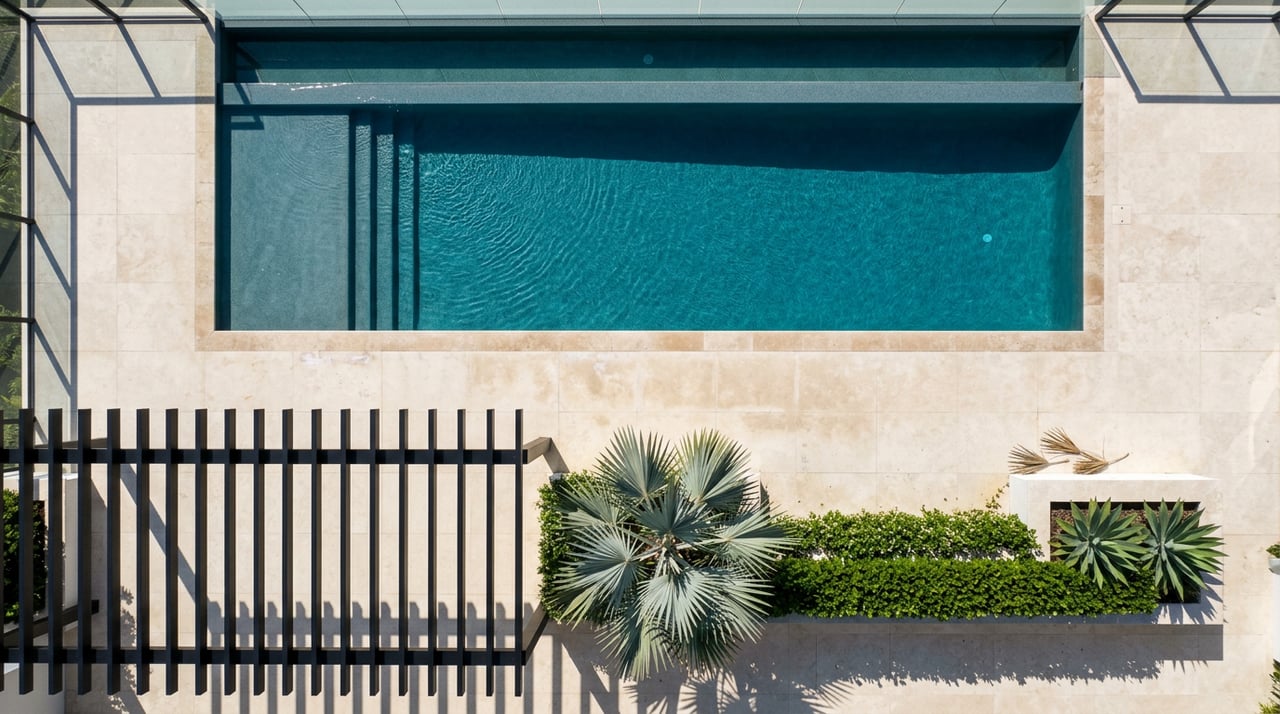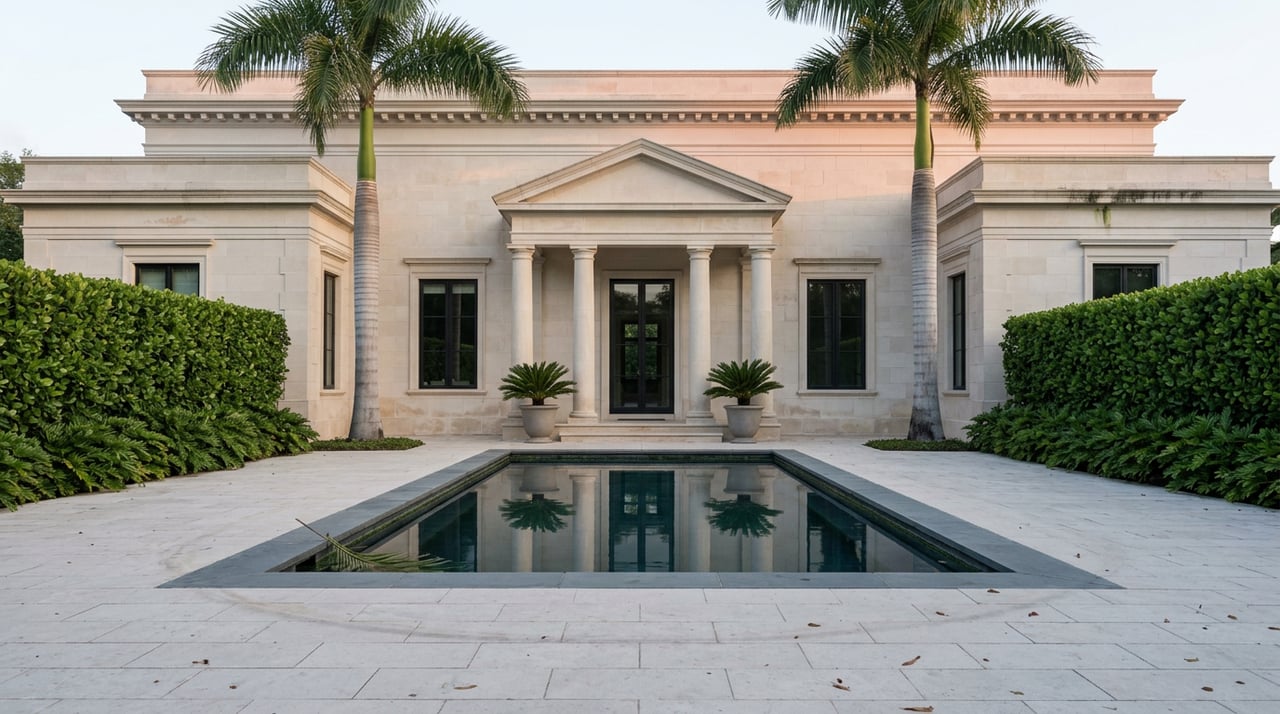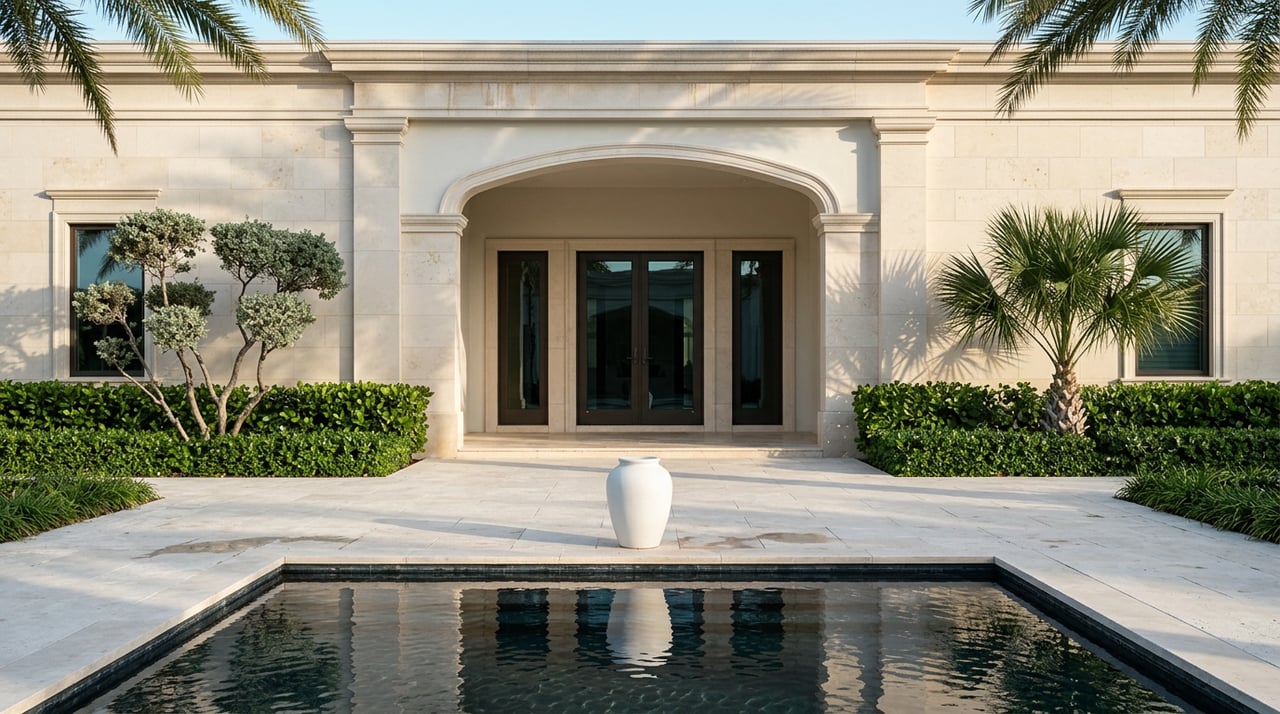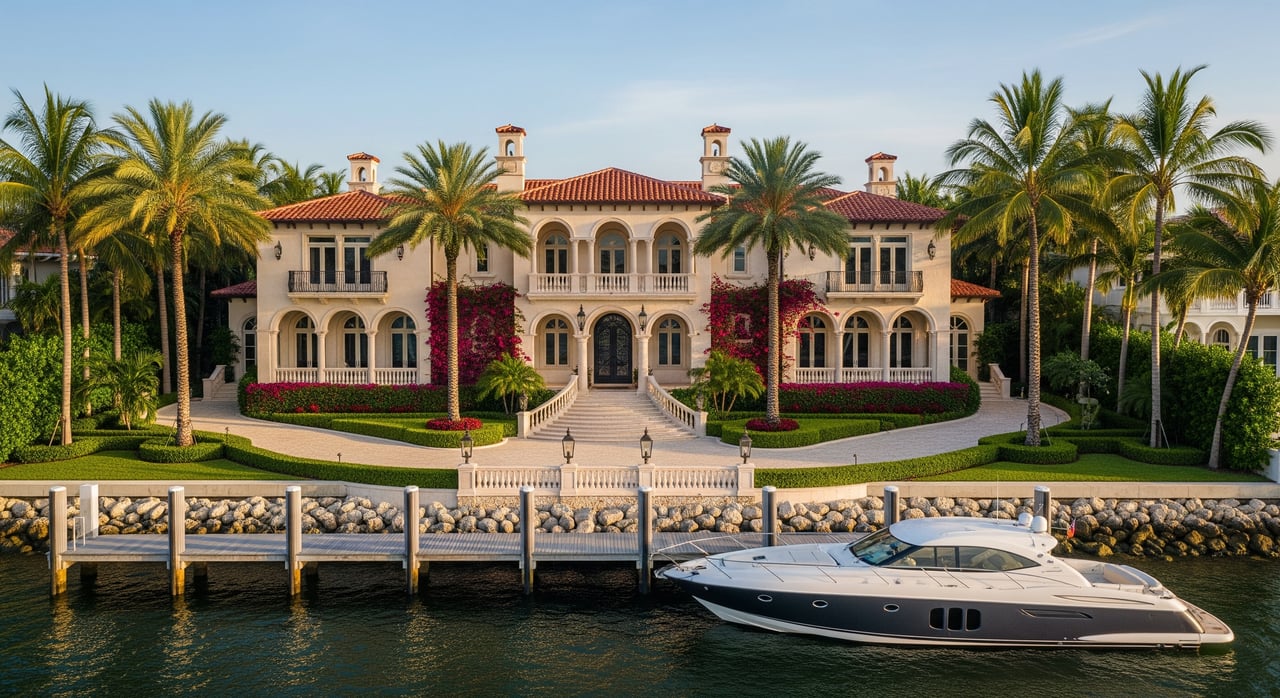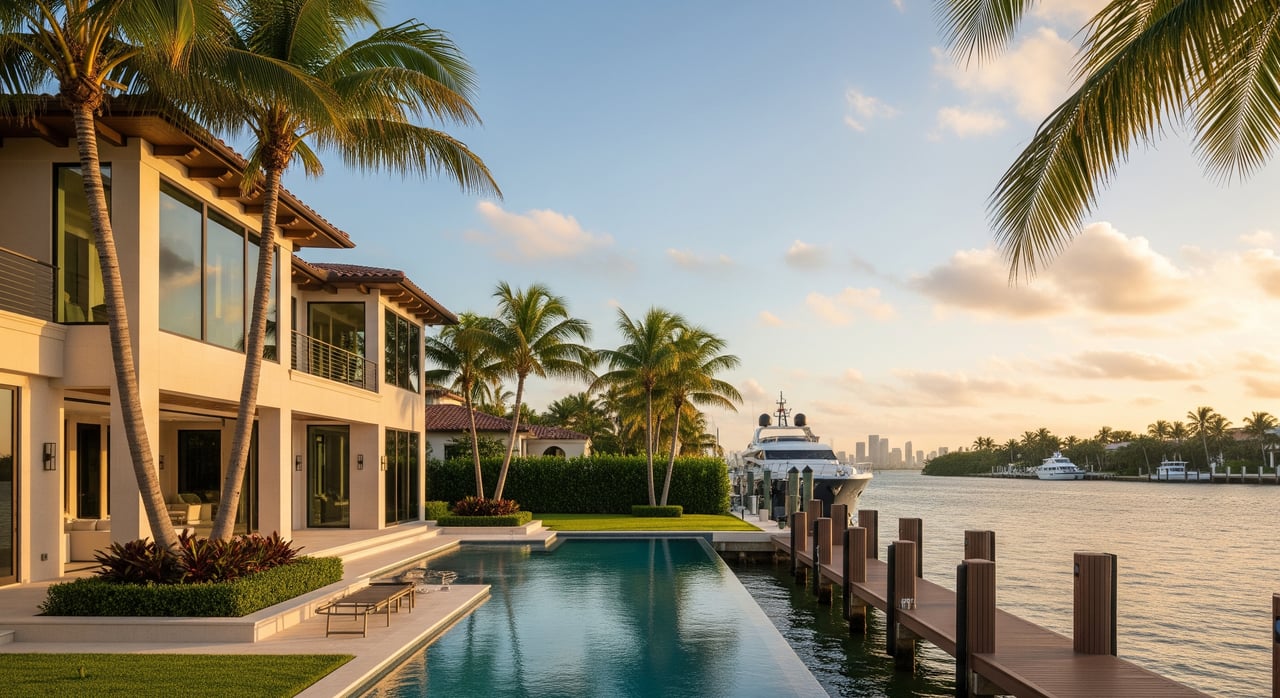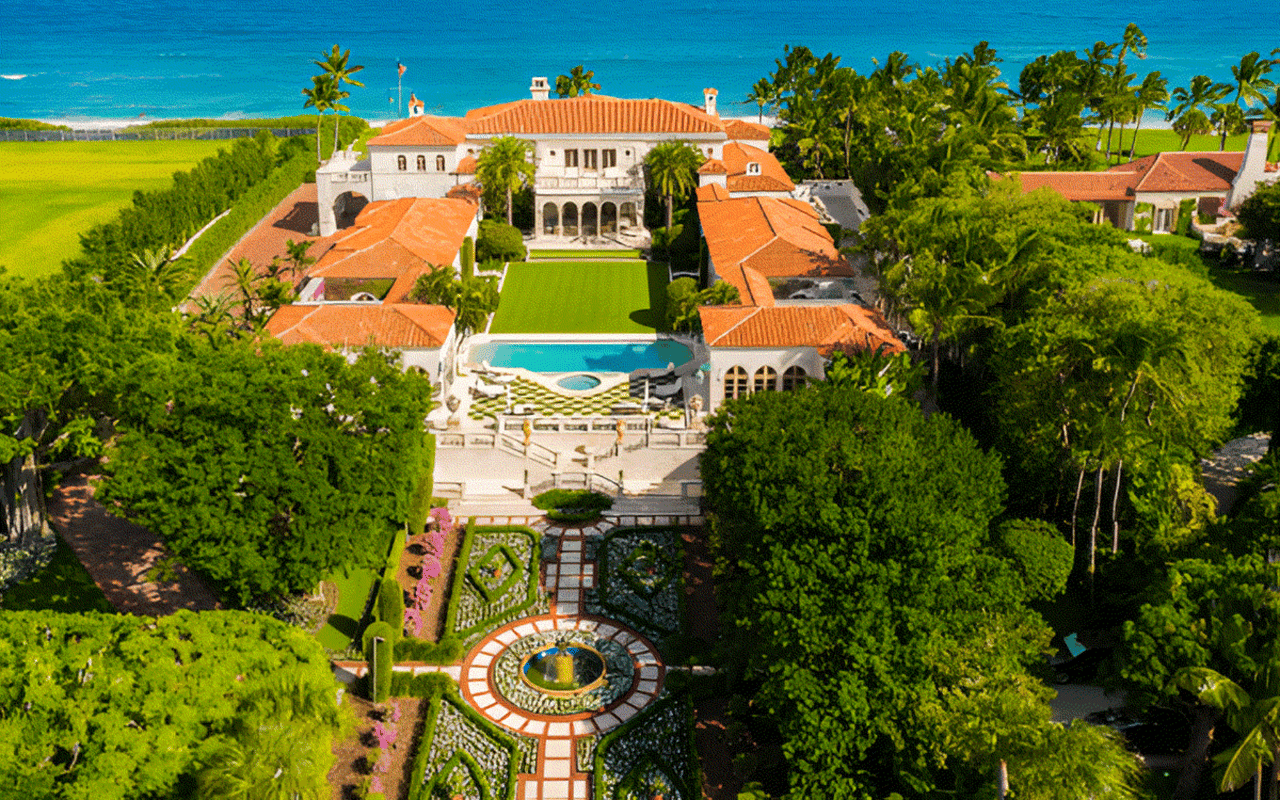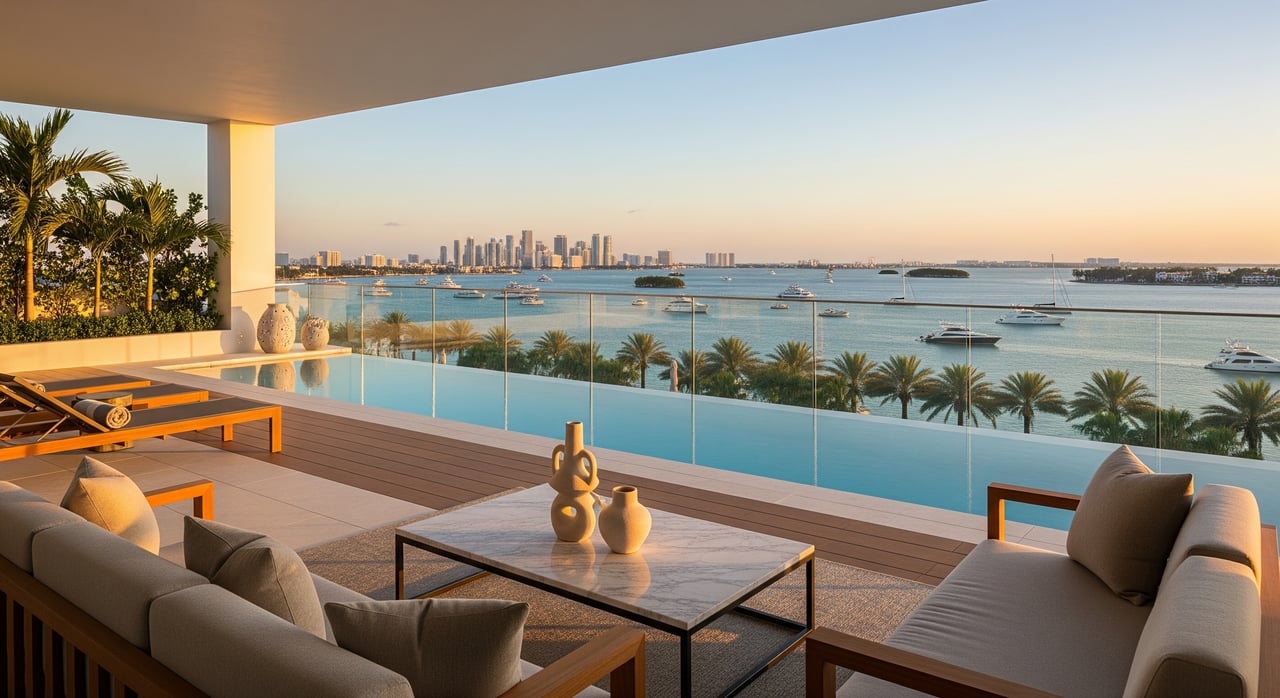
In February 2026, Jeff Bezos and Lauren Sánchez Bezos showed up to the Indian Creek Country Club's annual dock party as guests. Not members. Guests. Around them, longtime members played cricket in white clothing on a lawn that slopes toward Biscayne Bay, the Mediterranean-style clubhouse behind them with its pool and its Miami skyline view. By that point Bezos had spent roughly $234 million assembling three properties on the island since 2023. He mingled anyway, shook hands with people like real estate figure Richard LeFrak and businessman Eddie Lampert, and by most accounts used the evening to make his case to the people who would eventually decide whether he belonged.
Six months later, according to Fortune's reporting in August 2026, he still wasn't in.
That gap between owning the address and belonging to the club is the thing prospective buyers on Indian Creek consistently underestimate. The house closes in escrow. The club does not.
The Purchase and the Admission Run on Separate Tracks
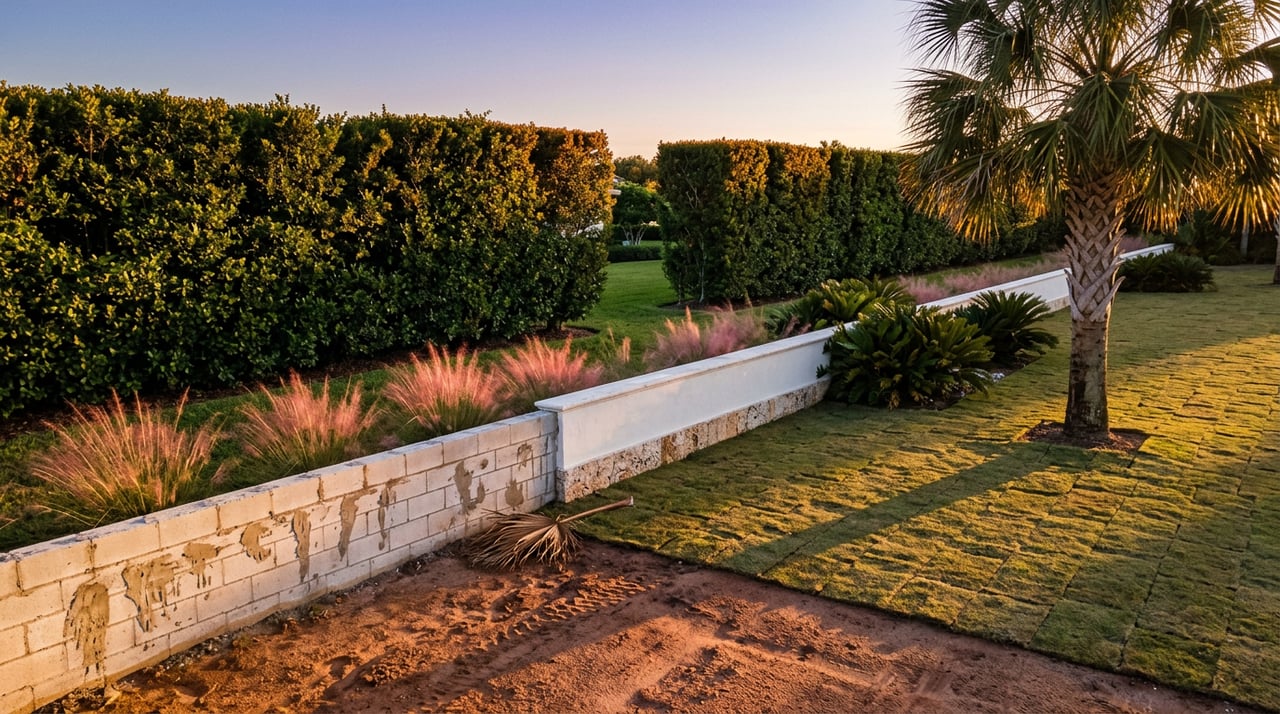
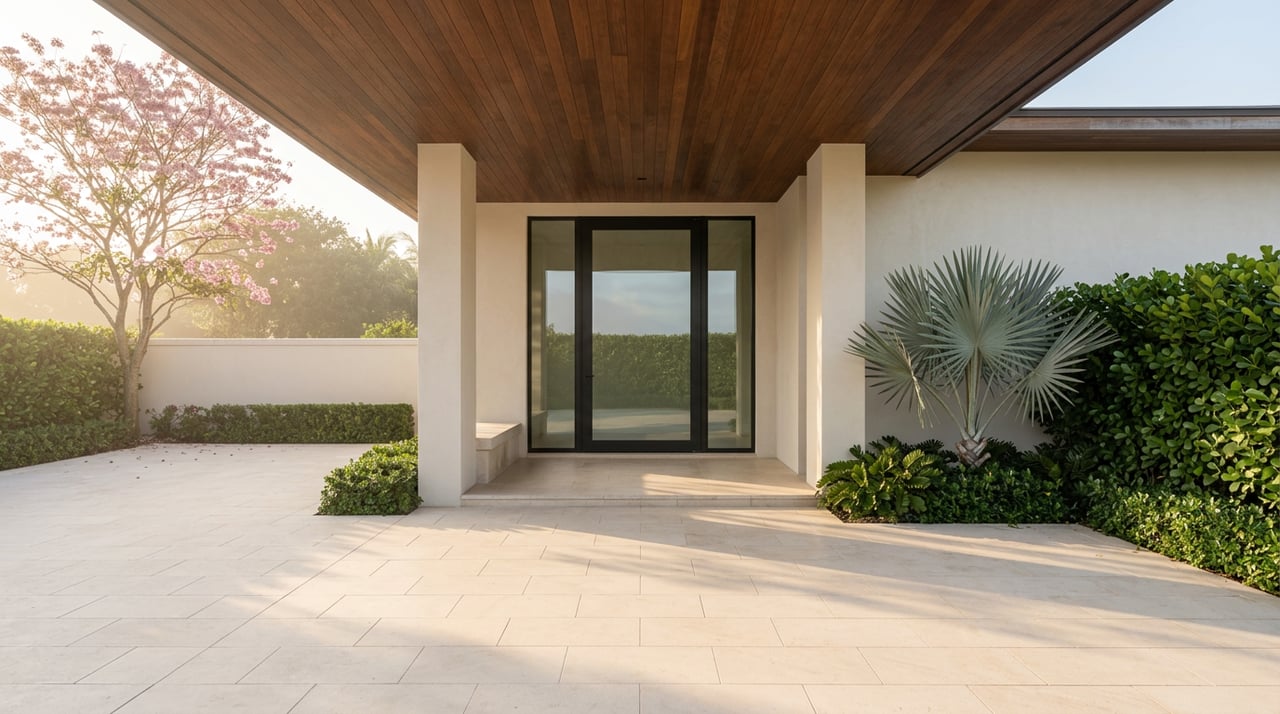
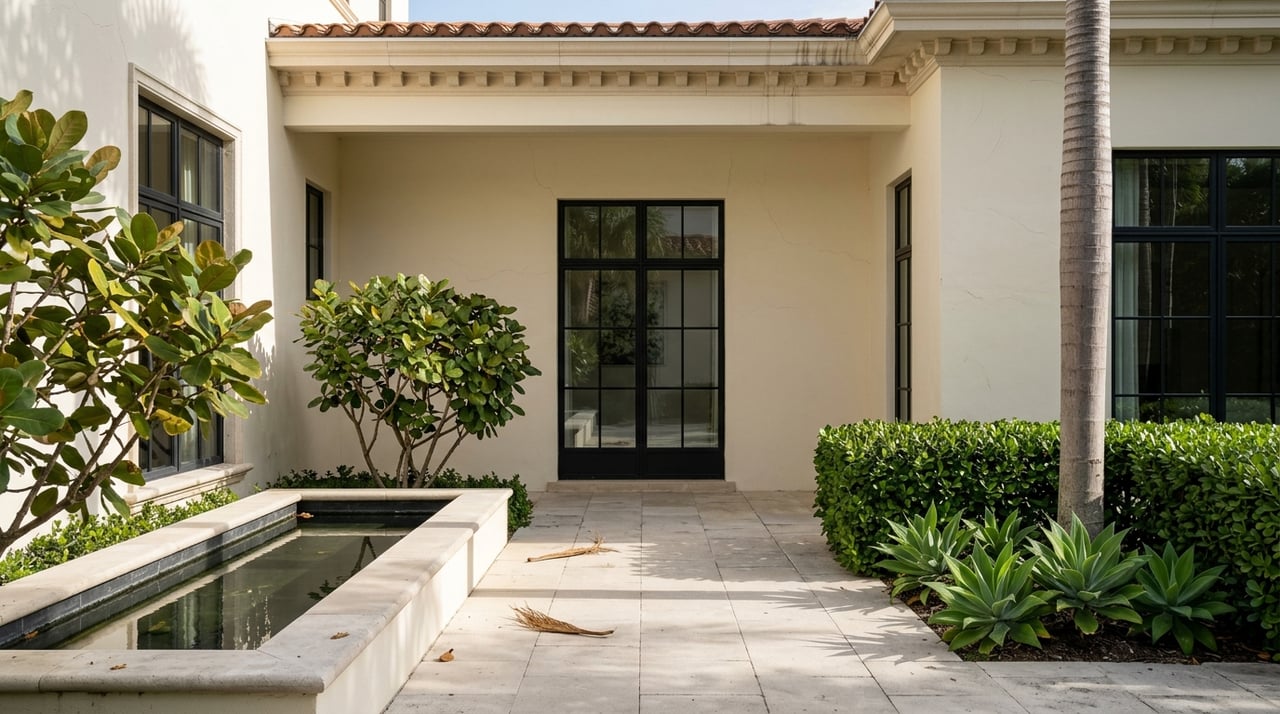
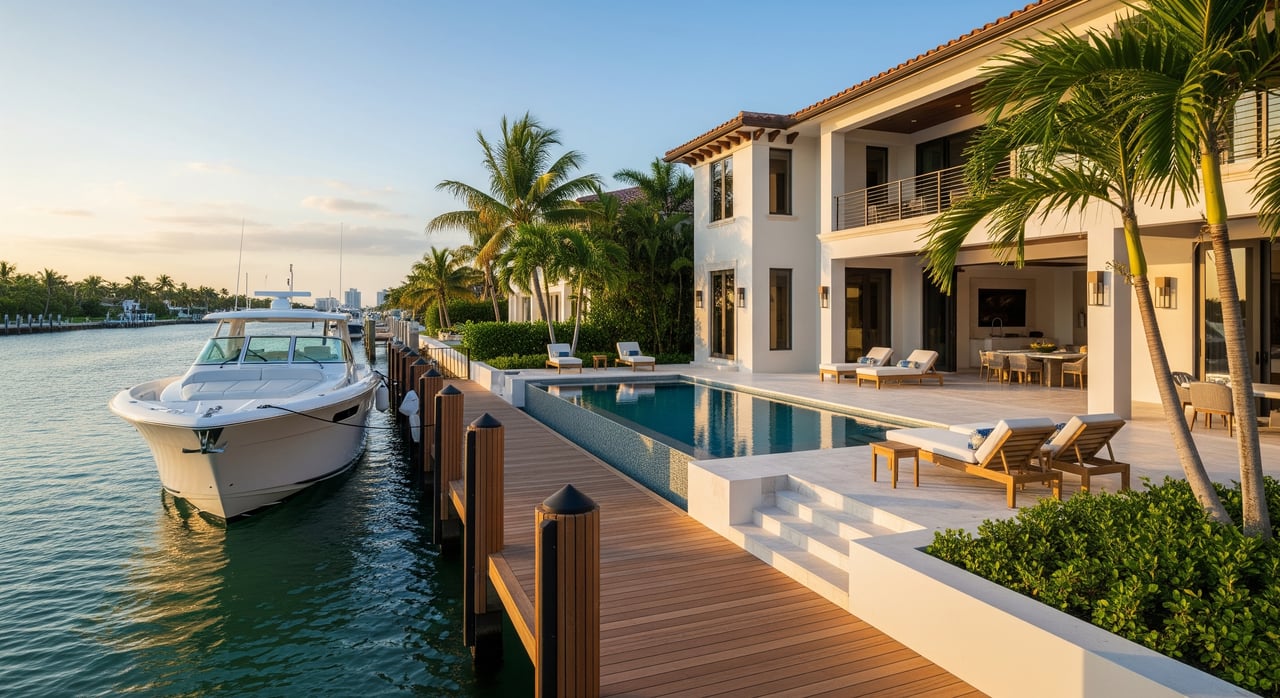
Indian Creek Village, the municipality, is a roughly 300-acre island with its own police force and a single guarded bridge. Indian Creek Country Club, the institution, occupies most of that land and answers to no one but its own membership. The two are legally and functionally distinct, which means a closing on one of the island's 41 home sites transfers title to a lot. It does not transfer a locker, a tee time, or a seat at the clubhouse bar.
That distinction surprises people who've shopped other gated communities in South Florida, where the country club membership often rides along with the deed as a matter of course. On Indian Creek it doesn't. Real estate agents who work the island reportedly tell buyers this up front, because the alternative is a client who closes on a nine-figure estate and then spends a year finding out the club has other plans for him.
Bezos is simply the most visible version of a pattern that's been playing out for years. He assembled his first Indian Creek parcel for $68 million in 2023 and kept buying. None of it moved the needle with the membership committee.
What Sponsorship Actually Requires
The path into the club, as described in Wall Street Journal reporting picked up by Fortune, isn't a form you fill out after closing. It's a gauntlet:
- Two current members agree to sponsor the applicant.
- Five additional members write letters of recommendation.
- A six-person membership committee reviews the file.
- A 15-member board casts the final vote.
Nothing about that sequence references square footage, purchase price, or how recently the sale made the papers. It's designed to slow things down and to give the people already inside a long look at who's asking to join them.
The Price of Entry Isn't the Price of the House
People connected to the club told the Journal the initiation fee now runs close to $1 million, with annual dues around $44,000. That's a meaningful jump from the roughly $500,000 figure that circulated in earlier years, and it tracks with what's happened to the real estate around it: the same scarcity that pushed Mark Zuckerberg and Priscilla Chan to pay a reported $170 million for an unfinished estate in early 2026, the largest residential sale in Miami-Dade County history, has pushed up the price of getting into the one social institution that actually runs the island.
Founded in 1929, the club has around 350 members drawn historically from doctors, attorneys, financiers, developers, and a handful of entertainment names, Julio Iglesias and Carl Icahn among them. That membership has stayed roughly the same size while the property values around it have gone up by an order of magnitude. The house is scarce. The club is scarcer, and it's scarce on purpose.
Who Gets Through, and Who Waits
Not every arrival struggles. Tom Brady and Jersey Mike's founder Peter Cancro were both admitted without unusual difficulty, according to the Journal's reporting. Goldman Sachs CEO David Solomon had a harder time. Coverage of his application describes a member circulating a petition against him before he was ultimately accepted; he's since become a regular presence on the course before heading back to his primary home in New York.
The pattern isn't about net worth or fame. Members have reportedly worried openly enough about a newcomer's ability to reshape the club that some tried to raise the voting threshold required to approve a sale, out of concern that enough capital in one place could eventually dismantle what makes the place work for the people already in it. The proposal failed, but that it was seriously considered tells you what the committee is actually screening for. Liquidity gets you a house. It doesn't get you a vote.
What This Means If You're Comparing Indian Creek to Other Waterfront Enclaves
If a country club is part of why you're drawn to a particular address, on Indian Creek you have to plan for the possibility that you'll own the house before you're anywhere close to owning access to its amenities. A few practical takeaways for anyone weighing this against other ultra-luxury waterfront options in Bal Harbour, Sunny Isles, or elsewhere:
Don't underwrite club access as part of the purchase. Treat it as a separate, uncertain, and potentially years-long process that starts after the closing, not before it.
Relationships matter more than they do almost anywhere else in South Florida real estate. Attending events as a guest, as the Bezoses did in February 2026, appears to be part of how serious applicants build a case, not a guarantee of anything.
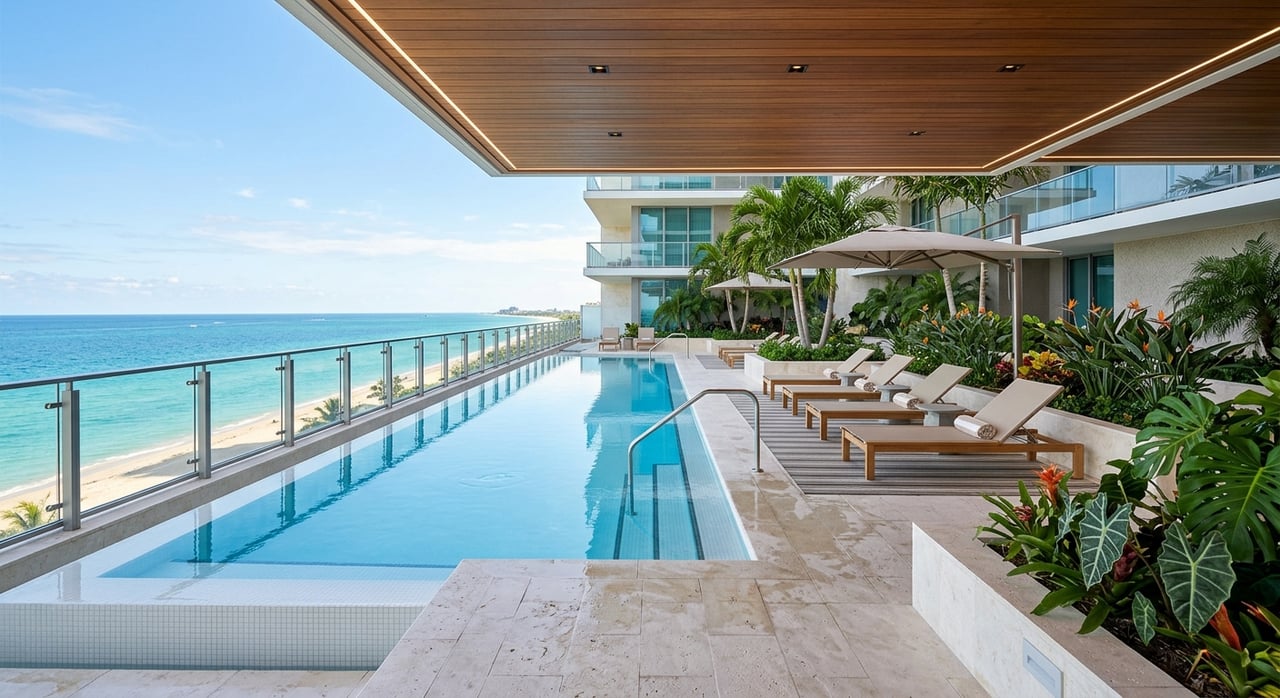
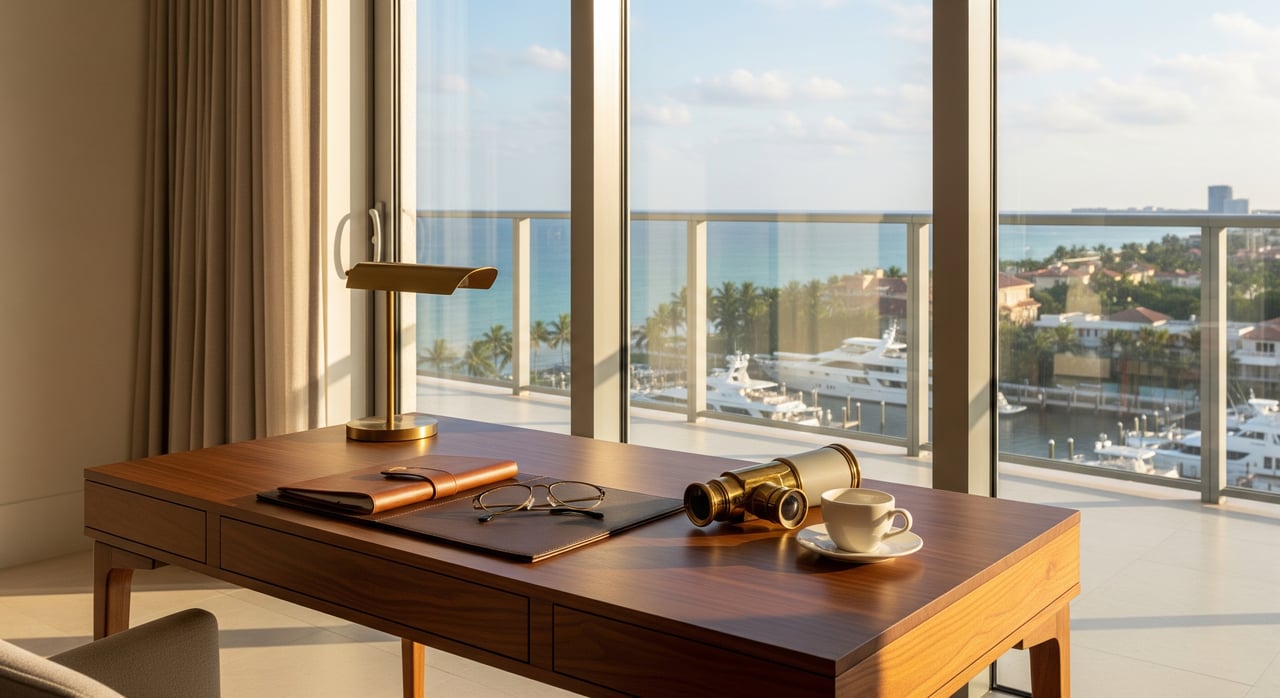
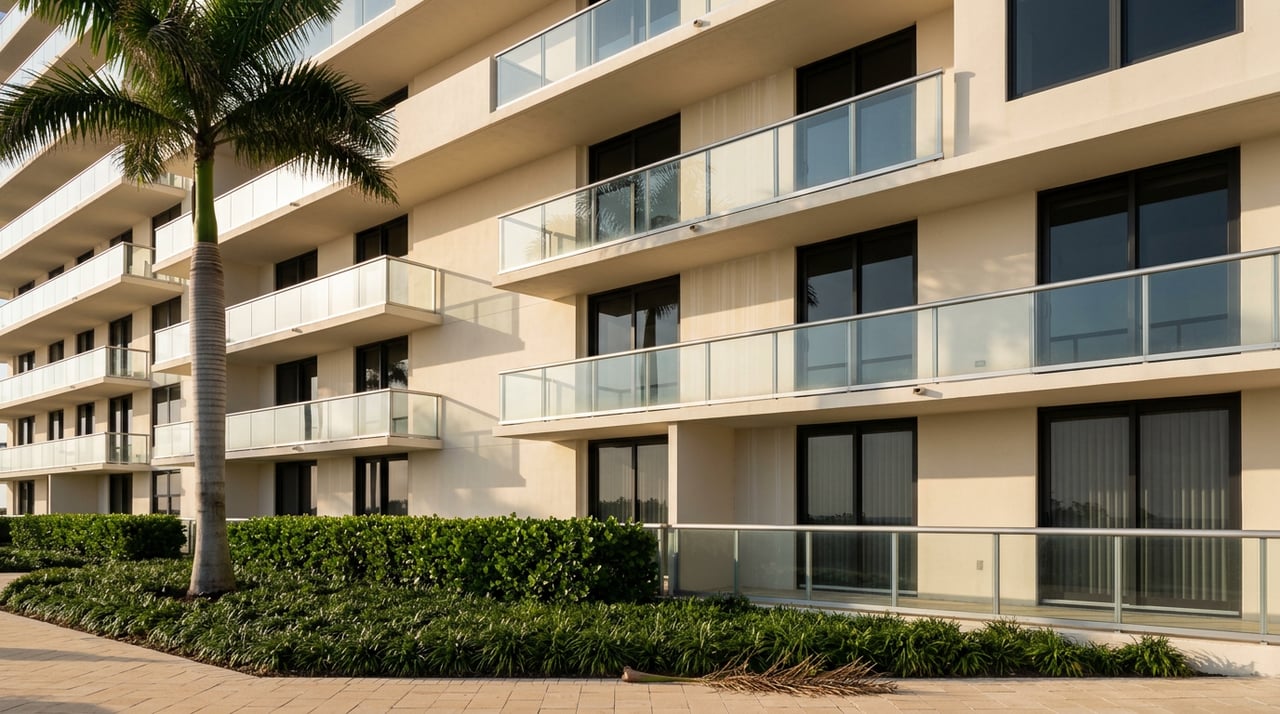
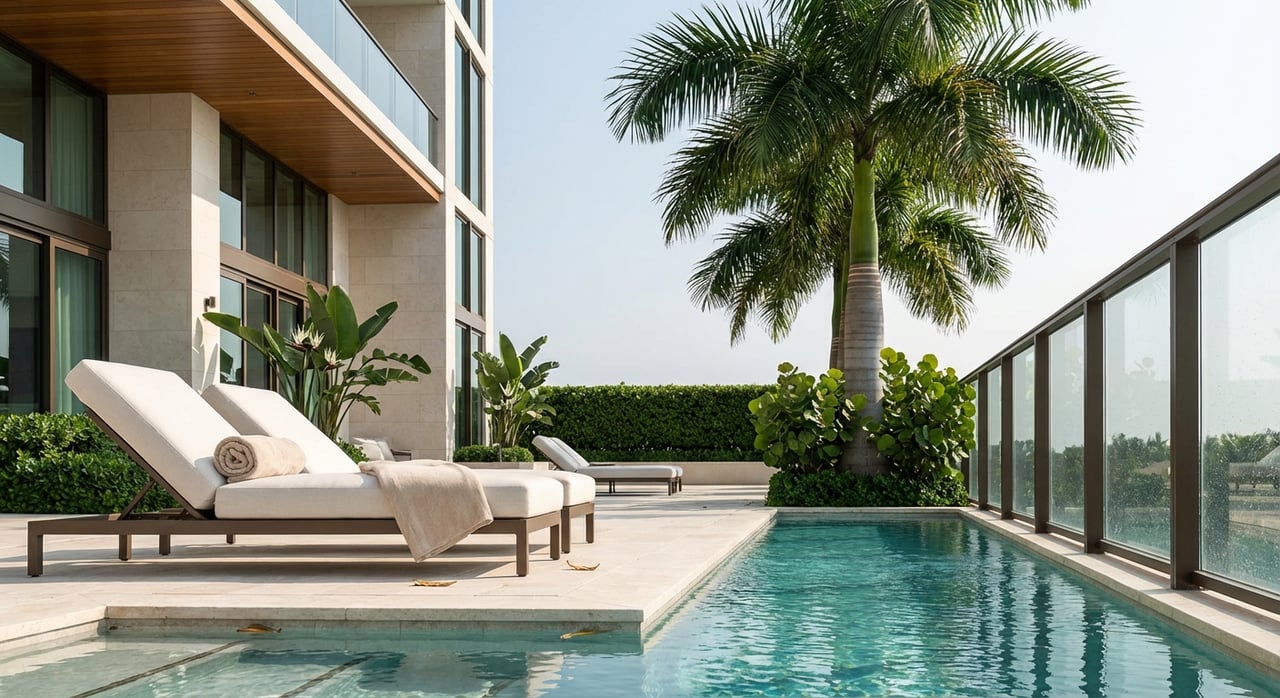
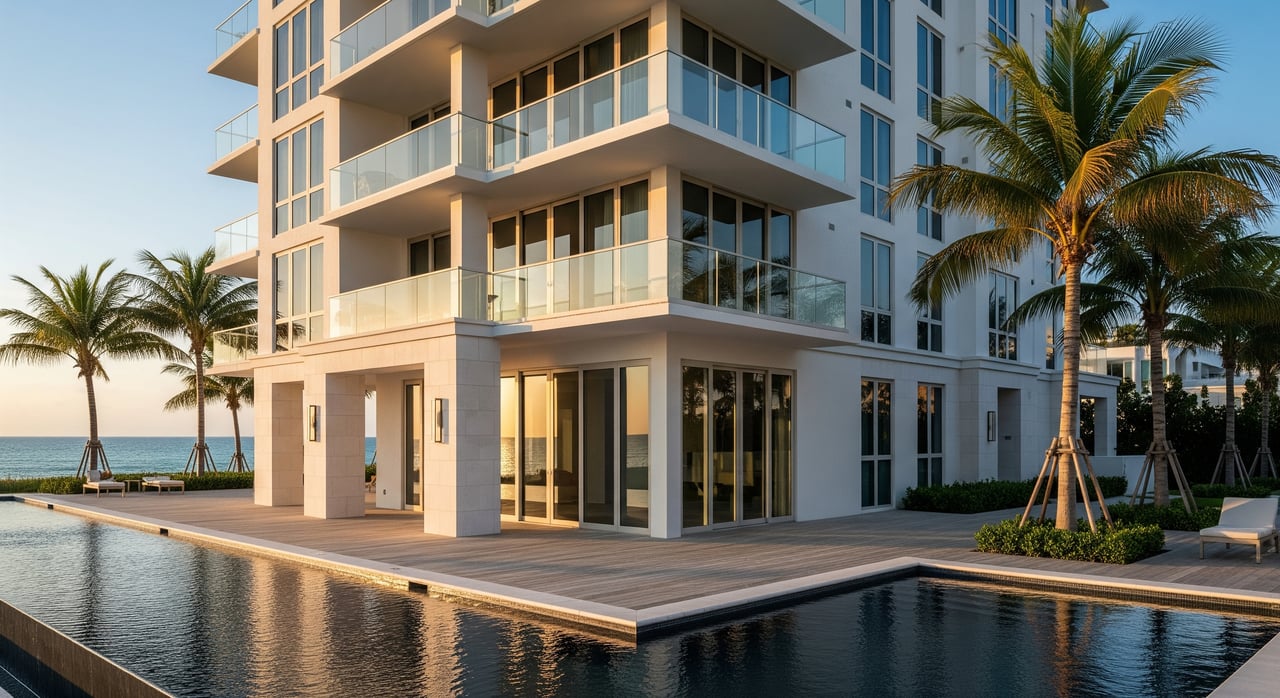
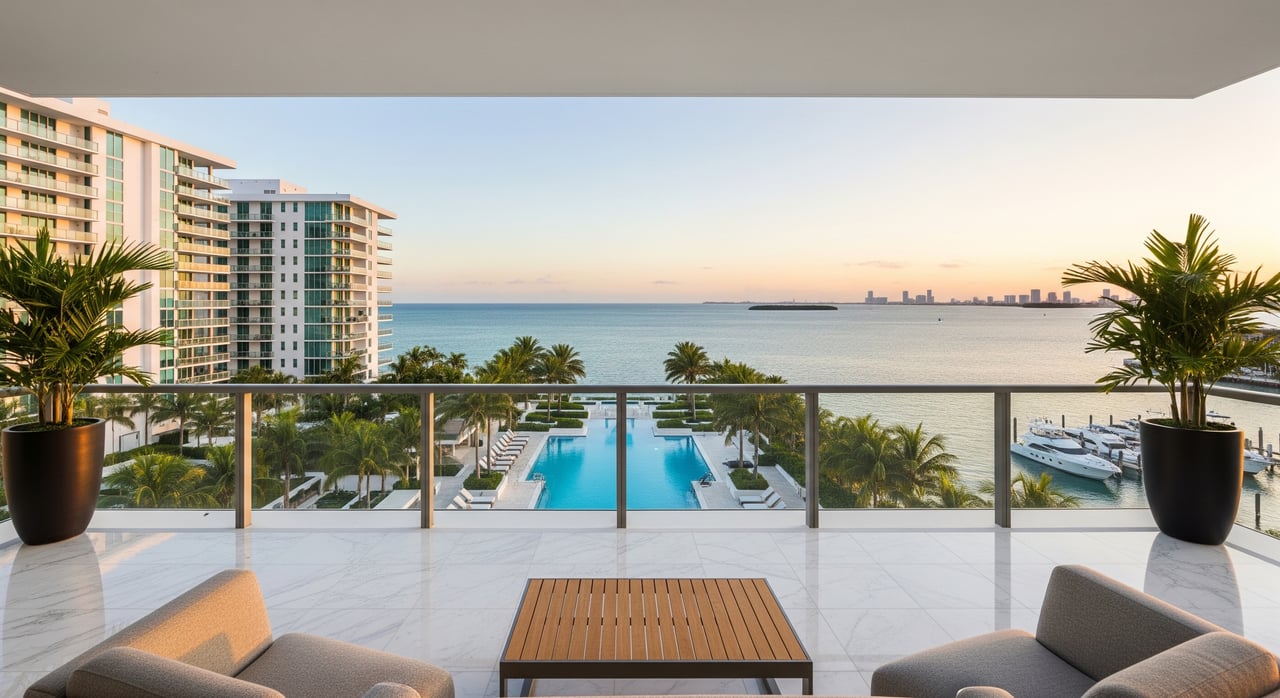
Compare what you're actually buying. Elsewhere on the waterfront, a high-rise purchase in a building like the ones along the Bal Harbour or Sunny Isles corridor typically comes with amenity access baked into the HOA structure the day you close. Indian Creek's model is closer to buying land next to a private club that may or may not ever let you in the door.
Budget for both numbers. A prospective buyer should be pricing the estate and, separately, treating the reported seven-figure initiation fee and roughly $44,000 in annual dues as a distinct and uncertain line item, not a rounding error on the purchase.
FAQ
Does buying a home on Indian Creek automatically include country club membership? No. Property ownership and club membership are governed separately. Several current owners, including Bezos, have purchased on the island without being admitted to the club.
How much does membership reportedly cost? People connected to the club told the Wall Street Journal the initiation fee is close to $1 million, with annual dues of roughly $44,000, up from an estimated $500,000 initiation fee in earlier years.
How does someone actually get admitted? Reported requirements include sponsorship from two current members, recommendation letters from five others, review by a six-person membership committee, and a final vote from a 15-member board.
If you're weighing a waterfront acquisition on Indian Creek, or comparing it against other high-amenity enclaves along Miami's coast, this is exactly the kind of detail worth working through before you write an offer, not after you close. Marine Rollins can walk you through what a given address actually includes, and what it doesn't. Schedule a private waterfront consultation to start the conversation.